
wall-street-journal Page index.xml - Sports News, Headlines & Highlights

Sage Steele paved the way for her own demise at ESPN
Typically when a longtime SportsCenter anchor decamps, it’s a solemn affair. Just two months ago, ESPN’s Neil Everett’s departure left his colleagues saddened. ESPN vets like Marty Smith, Scott Van Pelt and Stan Verrett were among the talent who publicly sang Everett’s praises....
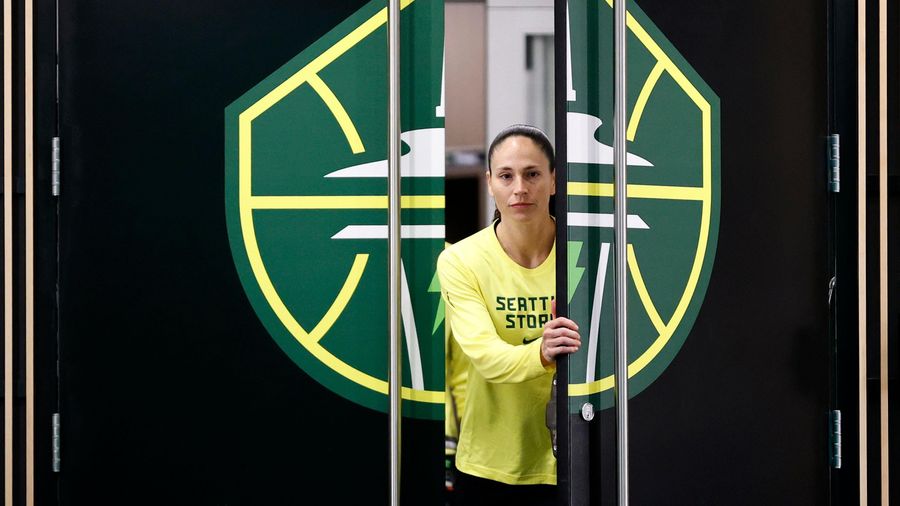
Now is the time to buy a women’s professional sports franchise
Last month, the WNBA’s Seattle Storm was valued at a record $151 million as reported in the Wall Street Journal. The team isn’t for sale, but investors can purchase one of 15 shares of the team, as it looks to finance a $64 million practice facility....

Retirement? We all know Vince McMahon didn’t leave WWE of his own volition
Stop calling it a retirement. Without the details of alleged hush payments skyrocketing well beyond $12 million to keep various women quiet, now-former WWE Chairman and CEO Vince McMahon would still be in unquestioned power. He didn’t leave his post of 40 years unprovoked or out of humility to trans...

Not surprisingly, there’s more to the whole Vince McMahon sex scandal
Vince McMahon’s road back to his seat as World Wrestling Entertainment’s chairman and CEO just got a lot more treacherous thanks to more allegations of hush payments, ballooning the total doled out to more than $12 million over the last two decades. Those large alleged transactions were to cover all...

End of an error?
Vince McMahon, longtime WWE impresario, is stepping down as chairman and CEO during an investigation into an allegation he paid a former employee $3M in hush money to keep their sexual affair quiet, the company announced Friday....
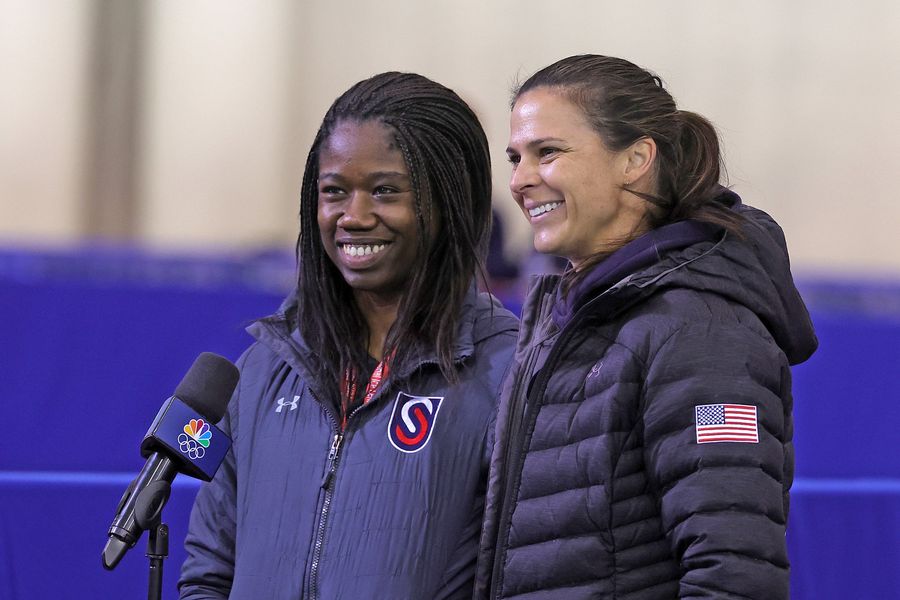
There is at least one thing heart-warming about the Beijing Games
The world’s top-ranked woman in 500-meter speed skating is headed to the Olympics to represent America. Erin Jackson, 29, made history in 2018 as the first Black woman to make the U.S. Olympic team in long-track speed skating only four months after picking up the sport. She made history again in Nov...

Antonio Brown’s chef turns out to be a whistleblower!
Turns out the chef was telling the truth! Bucs’ wide receiver Antonio Brown has been suspended by the NFL for three games without pay after “misrepresenting” his COVID vaccination status to the league....
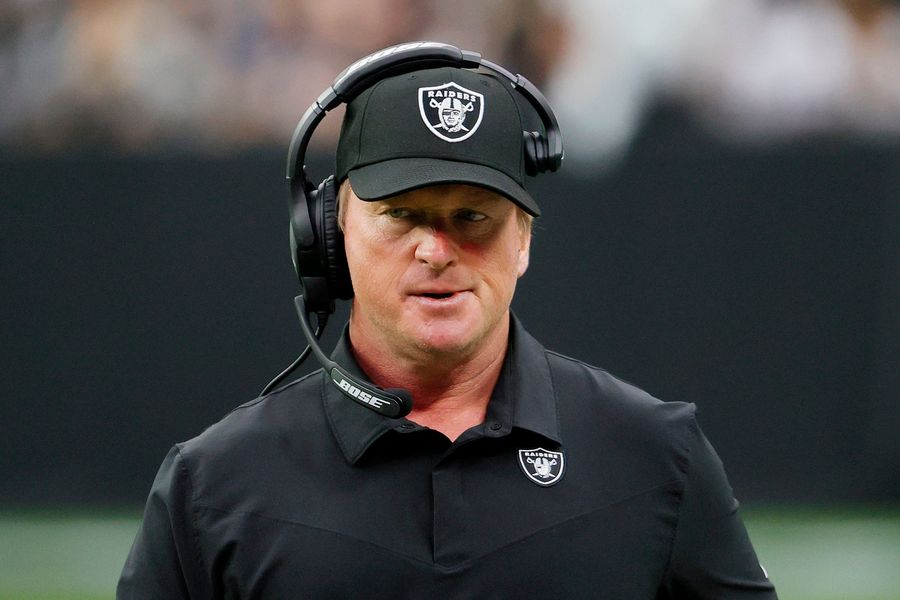
Jon Gruden wants the last word on the NFL and Roger Goodell
We haven’t heard the last of Jon Gruden yet. The disgraced former Raiders coach is suing Roger Goodell and the NFL, alleging that the league purposely leaked his emails to major news outlets in a “malicious and orchestrated campaign” to “destroy [his] career and reputation.” In a statement released ...
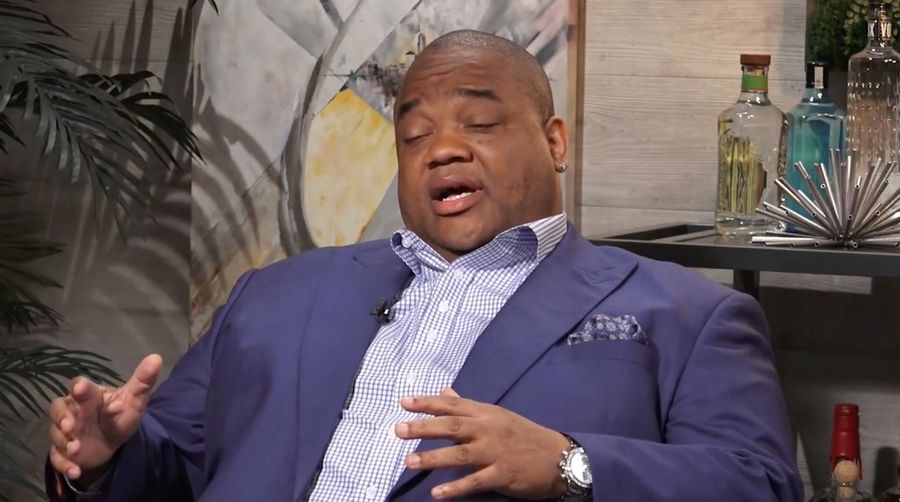
Why Is The <i>Wall Street Journal</i> Letting Jason Whitlock Use Its Pages To Say Colin Kaepernick Isn't Black?
It’s hard to find anything truly shocking nowadays in a world that seemingly no longer has any rules, but that an ostensibly proud and legitimate newspaper like the Wall Street Journal sees fit to regularly lend its imprimatur of legitimacy to the rambling thoughts of a blithering idiot like Jason W...

Taking "Lack Of Context" To Terrifying New Extremes
“Context.” What does it mean? Do we really need it? Is it possible to write an entire, outraged newspaper column without any context at all?...

This <i>Wall Street Journal</i> Comment Section Offers A Rare Peek Into The World Of Whites
The media often makes reference to White America and its mysterious attitudes. But where can you gain access to this closed group? You must journey deep, deep into the rabbit hole. ...

Real Piece Of Shit Column: Corruption Is Fine
As much as Republicans groaned about Donald Trump, they were always destined to fall in line once he actually had power. They are still falling. ...

Good God, Roger Goodell Is So Stupid
It's apparently Roger Goodell Day over at the Wall Street Journal, because the paper's website currently features three (three!) pieces on the NFL's khaki-faced figurehead—they've got a Very Serious Sitdown Interview, a tick-tock feature that reads like Mark Halperin-penned fanfic, and (for fuck's s...
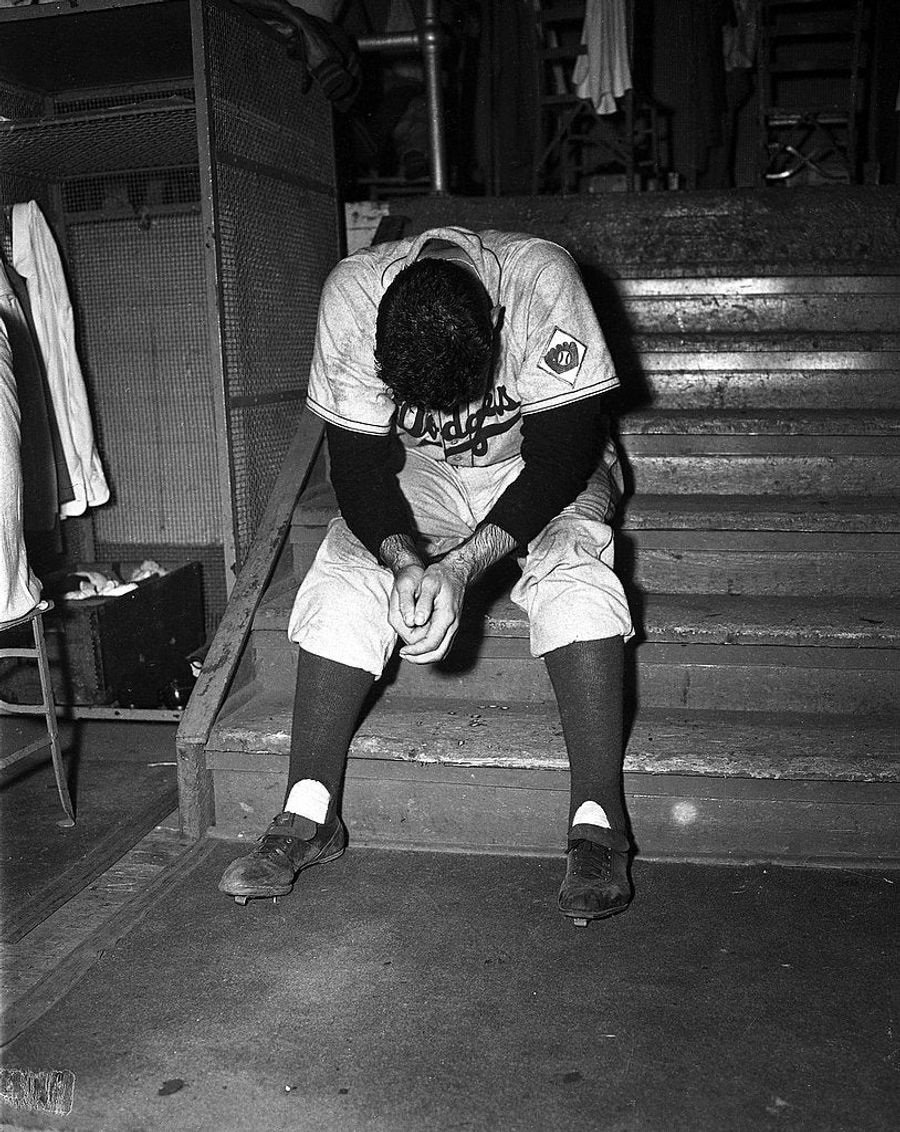
The Giants (Stole) The Pennant
I was toolin' around Longform the other day because it's one of my favorite places on the web and found a link to Joshua Prager's 2001 Wall Street Journal article about the Giants in 1951. The piece was the basis for Prager's book The Echoing Green....

<em>Wall Street Journal</em> Article About Brent Celek Has Amazing Correction
The Wall Street Journal posted a story today about the offseason workout habits of Philadelphia Eagles tight end Brent Celek. It contains the following anecdote:...

Which Industry Spends The Most On Super Bowl Commercials?
DVRs are the scourge of TV advertisers, which makes live sports—especially the NFL, and especially the Super Bowl—worth an enormous amount of money....
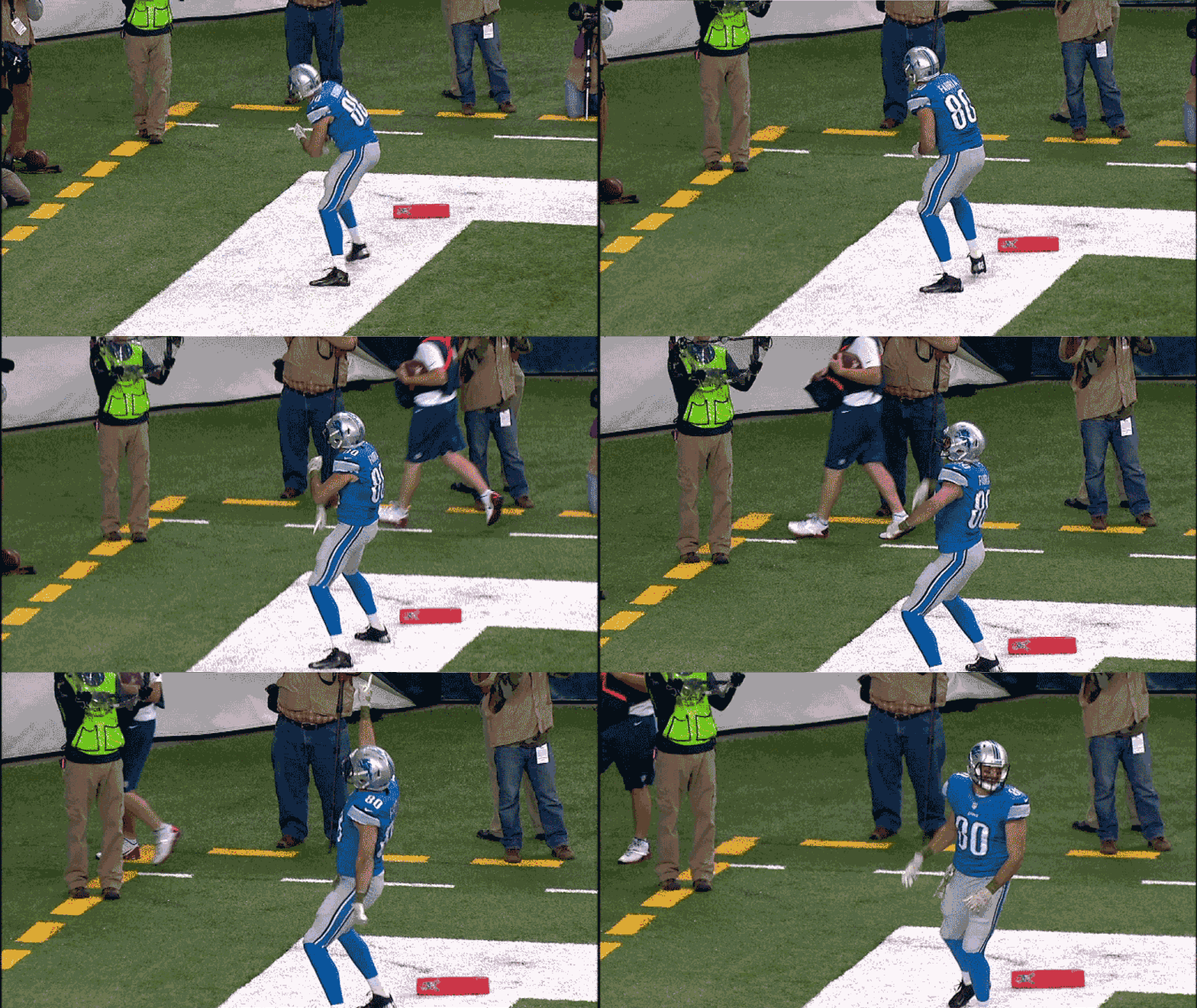
A Complete Breakdown Of The Year In Touchdown Celebrations
Geoff Foster of the Wall Street Journal has done the lord's work. He went back and watched every touchdown celebration that occurred in the NFL this year for the purpose of creating a comprehensive audit of how NFL players decided to get down after scoring....
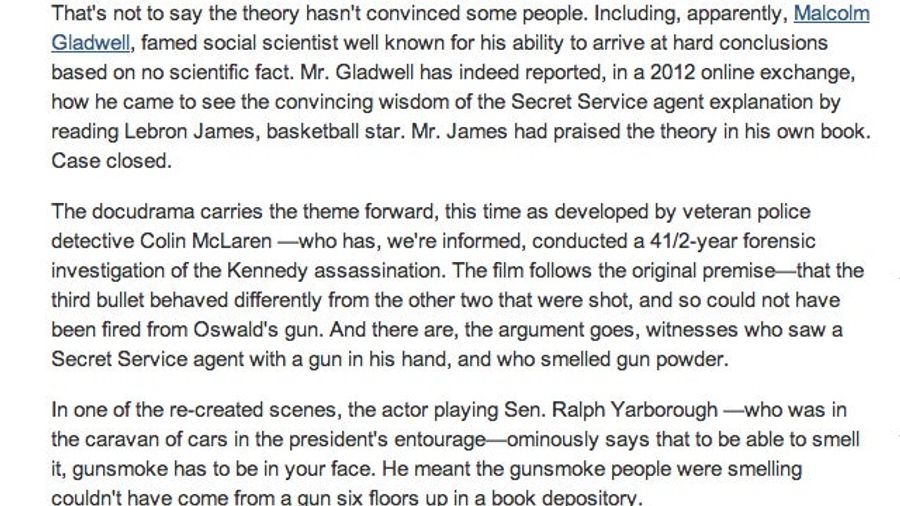
<em>Wall Street Journal</em> Column Confuses LeBron James With Bill James
Unless LeBron has a writing career we don't know about, Dorothy Rabinowitz confused the Heat star with Bill James and his book Popular Crime in her Wall Street Journal column about an upcoming JFK documentary. To be fair, the mistake isn't that hard to make. They both left an indelible mark on thei...
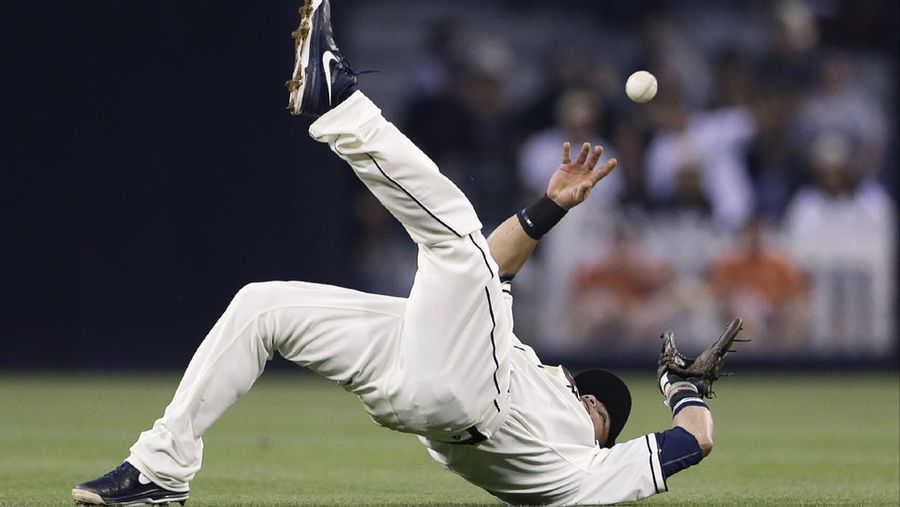
Baseball Sure Takes Its Sweet Time, Wall Street Journal Finds
Baseball. It sure goes slowly. Sometimes something happens. Mostly, nothing happens....

The Outrage Over Students "Cheating" Is Mostly Harmful Nonsense
The Wall Street Journal asked a question with an obvious answer this week under the headline "How Could a Sweet Third-Grader Just Cheat on That School Exam?" A quick answer is, because human beings are a naturally social species that has survived and flourished for thousands of years by collaboratin...