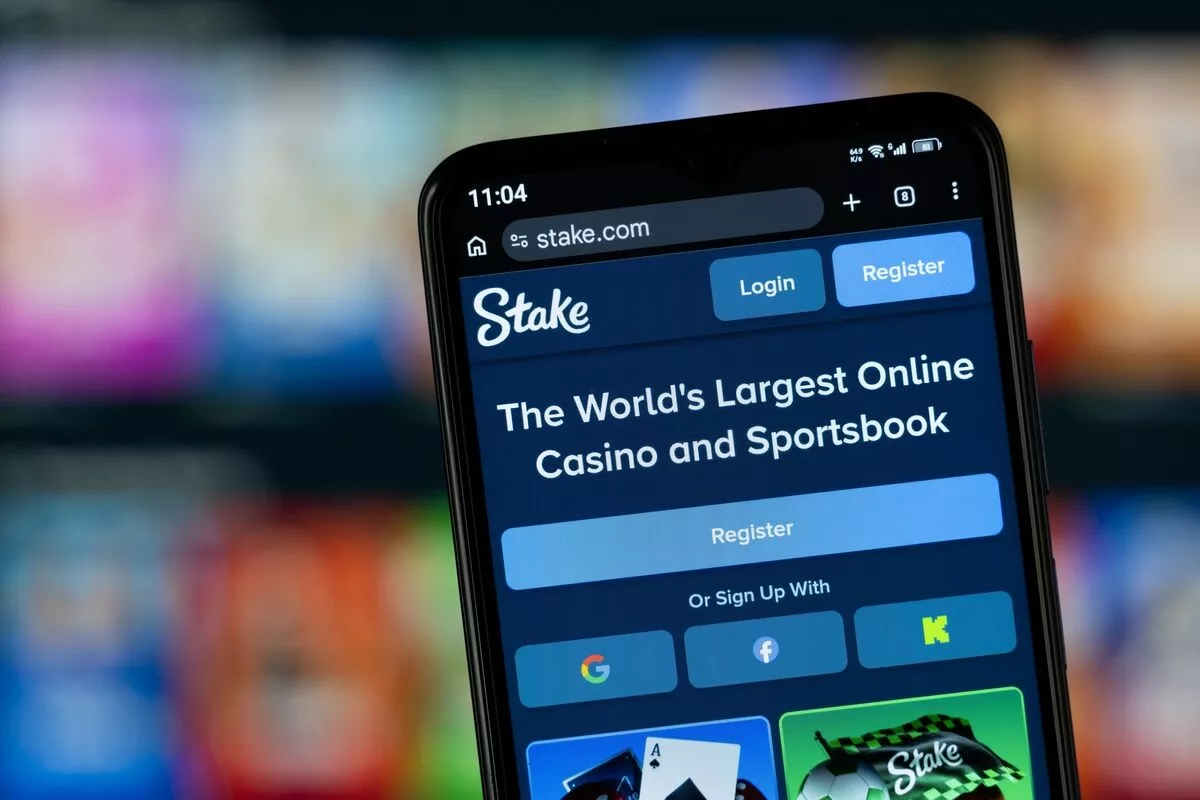
Photo Credit: J Duquette / Shutterstock
The government of Nova Scotia has announced it is officially exploring the possible expansion and commercialization of its iGaming market by moving away from its current single operator monopoly.
John Lohr serves as the Finance Minister for the eastern Canadian province and declared his office is ‘very carefully’ monitoring the online gambling frameworks of Alberta and Ontario while having ‘conversations’ to determine the viability of a regulated multi-operator commercial iGaming market.
The publicly owned Atlantic Lottery Corporation (ALC) is the only enterprise licensed to offer iGaming entertainment to players situated in Canada’s four Atlantic provinces, which include Nova Scotia alongside New Brunswick, Prince Edward Island, and Newfoundland and Labrador. The Crown corporation currently delivers a selection of online slots, table games, and sports wagering through its official ALC.ca portal but lacks any live-dealer options.
For the fiscal year ending in March, ALC reported a 1.3% year-on-year decline in its net profit to approximately $351.9 million alongside a 0.1% drop in overall revenues to around $636.1 million. Despite these dips, the operator’s digital gaming sector thrived with iGaming returns surging 15.4% to roughly $95.7 million due to an expanded product range and a stronger hold on the regional online market.
Ontario became the first Canadian province to debut a regulated multi-operator iGaming market in April 2022 while Alberta followed suit this past July. Both jurisdictions now give local aficionados access to a wide array of secure digital gaming entertainment including online slots, live-dealer table games and sports wagering.
This shift to a commercial model has proved highly lucrative as Ontario’s market generated over $2 billion in annual net revenues last year while Alberta’s newly launched framework produced first-month public returns of approximately $40.4 million. By contrast, Nova Scotia received a little over $117.6 million from the ALC for the twelve months to the end of March as the operator’s total earnings were split among its four provincial shareholders.
Lohr stated the final decision on whether to launch an expanded iGaming market for Nova Scotia would impact not only local coffers but also the ALC, which premiered digital gambling in 2022. However, he asserted his continuing commitment to addressing the ‘significant issue’ of locals wagering on offshore and Ontario-licensed platforms, which is thought to have deprived his province of as much as $14 million in potential annual tax revenues.
The Progressive Conservative politician additionally admitted to being uneasy about the possibility an expanded iGaming market could lead to a rise in the number of gambling advertisements reaching children. However, he said the local market is already ‘in a time of incredible transformation’ obvious to anyone watching sports on television.
Loading …