Skinheads, Drunks, And London Soccer In The Early '70s

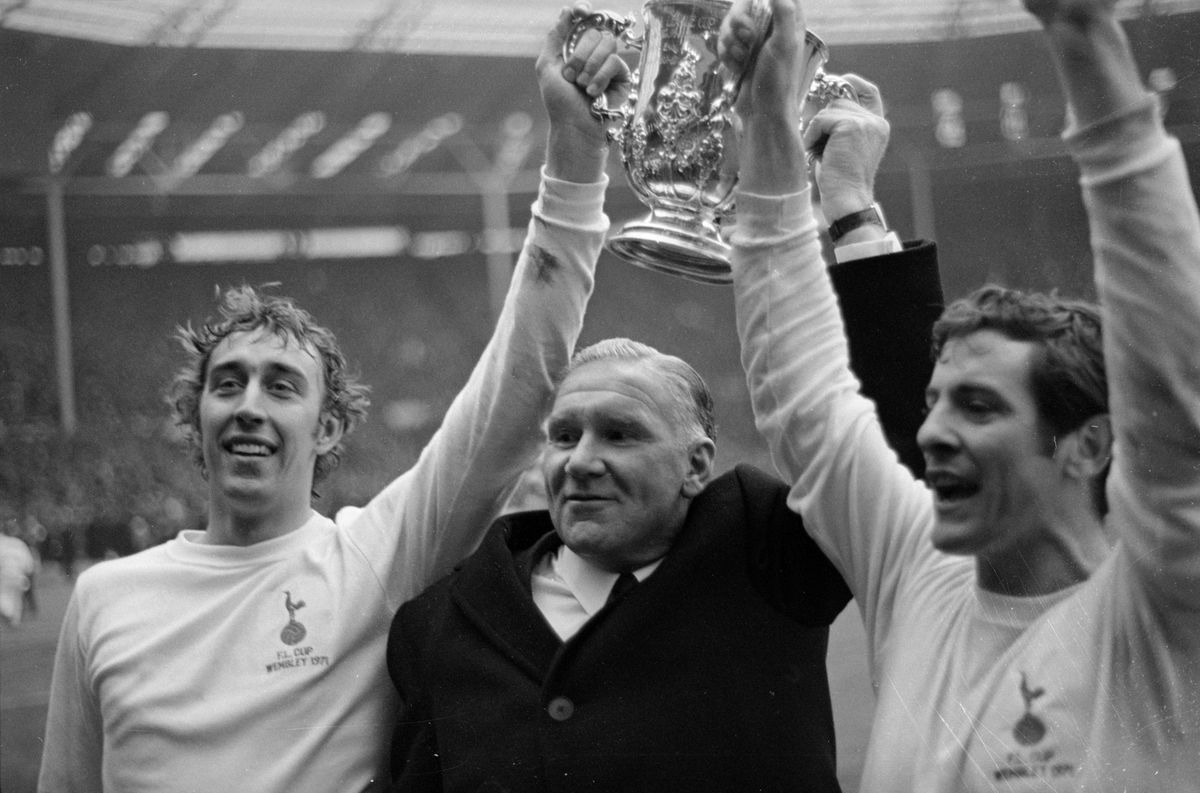
Forty years after its publication, The Glory Game, Hunter Davies's behind-the-scenes classic about a season with Tottenham Hotspur, reads in a lot of ways like a supreme work of access journalism, one willing to betray the secrets everyone already knows in order to protect the real ones. So players curse and drink and carouse; surely none of this was surprising even then, even if it wasn't usually written about in the respectable press.
For every moment where the book seems a little too pleased with itself for being willing to show some forward slouched in front of a pile of empty cans of lager, though, there are many more startling and unique ones. You can almost imagine some writer today arranging the kind of complete access to a top Premier League side that Davies did, and getting the manager to say things like, "I prefer players not to be too good or clever at other things. It means they concentrate on football." It's a lot harder to imagine that writer getting the manager's wife, who's not allowed to watch the games, at home, "keeping the back window open as she does for every home match, trying to catch the roar of the crowd."
Nearly all the best parts of The Glory Game have to do with people and places similarly located on Spurs' margins—lonely wives in big suburban houses, sad middle-aged men running supporters' clubs, skinheads on the train traveling to matches, a small crowd penned up in a massive stadium in Bucharest. It's an interesting contradiction: give a good writer a year to spend traveling and training with a team, sitting in their dressing room and visiting them at home, and he'll end up finding what goes on around them more compelling than what they do, on or off the pitch.
It's also centrally related to Davies's main insight, which is that playing or coaching a sport at a high enough level more or less requires you to be empty in some way. Some people in Spurs' inner orbit are almost psychotically fixated on winning, some are just narrow, and some are consumed by the sense that they're failures, but there's something basically off about most of them, and few of them seem to realize it. The ones who do, like manager Bill Nicholson, don't even get the satisfaction of success, "knowing that Spurs achieved glory without being particularly glorious."
There are other good books about the same subject—A Season on the Brink and a variety of books about Michael Jordan come to mind—but most of them pull back in a way The Glory Game doesn't. A lot of its appeal is the way it captures English soccer at an important moment—the game Davies wrote about was played by well-off but not wealthy men in plain wool, coached by veterans of World War II, and run by patricians who drank brandy and sniffed at the idea of allowing advertising in their stadiums, and all of them were aware that the game was about to change. But the best thing about it is just how unsentimental it is. Not many people get as close to a game as Davies did and keep their head.
Photo via Getty




Why the UFC Released Undefeated Bantamweight Farid Basharat

Why the Milwaukee Brewers Are Built to Win the World Series




The Most Shocking WWE Moments Fans Never Saw Coming
- Cowboys vs. Packers Prediction: Best Bet for Sunday Night Football
- UFC Edmonton Best Bets, Predictions and Fight Picks
- Rays vs. Guardians Game 4 Best Player Props Betting Picks
- College Football Week 8 Best Bets: Ohio State, Alabama and More
- Joaquin Buckley Plummets From -300 Favorite to Underdog at UFC Edmonton
- WNBA Finals Picks: Dream, Valkyries and Gabby Williams Best Bets
- UFC Vegas 122: 5 Underdogs Drawing Sharp Money This Weekend