Is "Discipline" Overrated In The NFL?

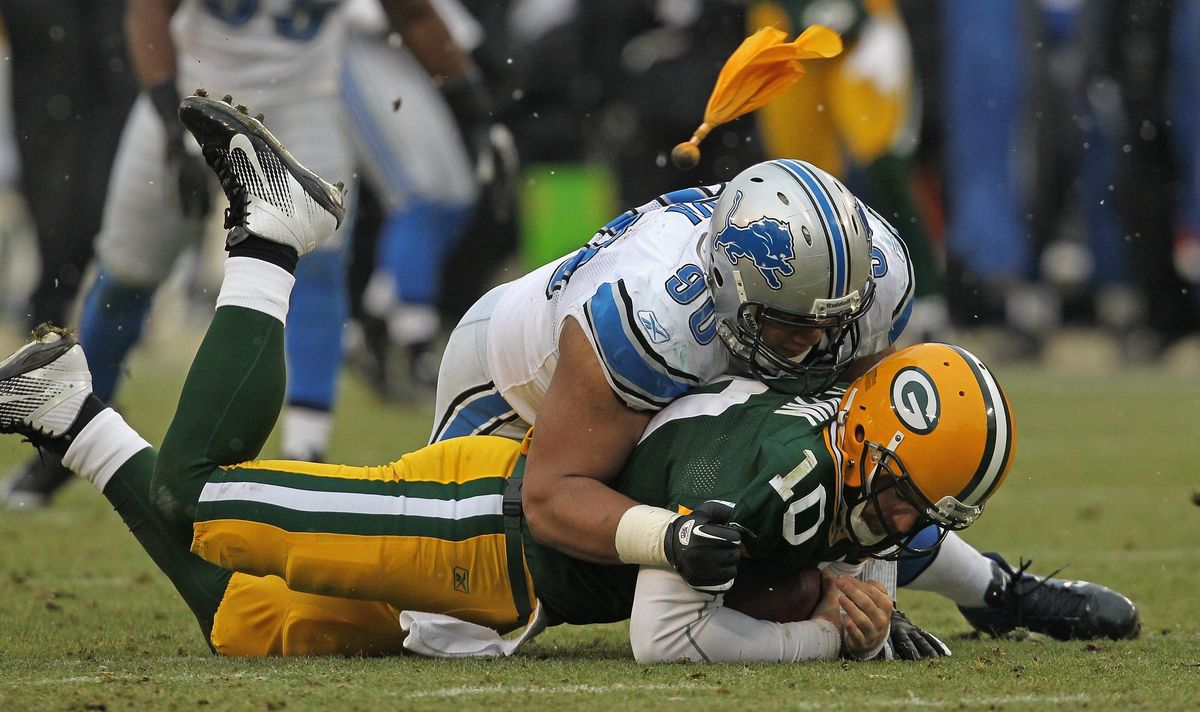
The 2013-14 Seahawks finished the year with a 13-3 record, a +186 point differential, and +40.1 percent DVOA, making them arguably the best team in the NFL. They also led the league in penalties (128) and penalty yards (1,193). Baltimore led in both categories last year and won the Super Bowl over the 49ers, who were second in penalty yards. We're told time and again by broadcasters and pundits that good teams have to be "disciplined," by which they largely mean " not prone to penalties." Is "discipline" overrated?
To find out, we compared penalty totals by team, from 2009 through 2013, to points scored, points allowed, and total point differential for each season. Data comes from the site NFL Penalty Stats Tracker (thanks to BestTicketsBlog for pointing us toward the site). It's possible that better teams could accrue more penalties because they play at a faster pace (and get more opportunities to commit penalties); to control for this we looked at the percentage of snaps—offensive, defensive, and total—in which the team got flagged.
If discipline is instrumental to success, we'd expect to see offensive penalty rate linked to points scored, defensive penalty rate linked to points allowed, and total penalty rate linked to point differential. Here's how the numbers looked for the 160 seasons in our dataset:
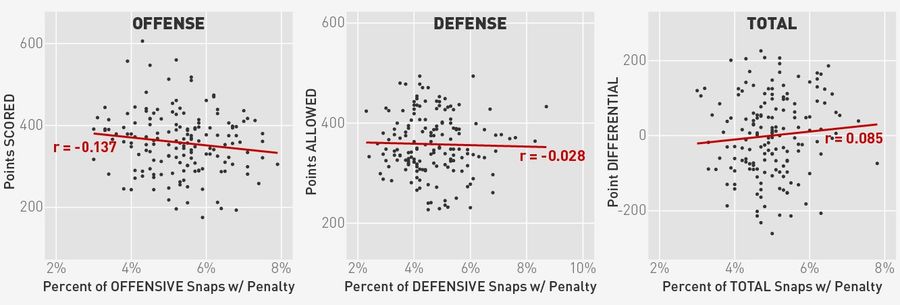
This data show no statistically significant correlation between penalty rates and offensive, defensive, or team performance. The negative relationship between offensive penalties and points scored is the closest to significant; I suspect that if I bumped up my sample by a couple seasons it would prove to be a statistically valid but extremely small effect (as is, p=0.08). You can perform the same analysis using pace-adjusted penalty yards instead of penalty totals and get similar results (offense r=-0.118, defense r=-0.09, total r=0.115).
So what does this mean? This doesn't imply that penalties aren't bad for teams; individual penalties are clearly detrimental on both offense and defense. What it does imply, I think, is that the sort of teams that accumulate more penalties—teams you might call "aggressive" when they're winning—aren't necessarily bad teams, and the sort of teams that accumulate fewer penalties aren't necessarily good teams.
Given the advantages that can come from plays that get you flagged, the best place for a team to be is just barely on the good side of the rulebook. It would make sense that an aggressive team that tried to live in this gray area (resulting in some flags) would be better off than a relatively passive team that never comes close to committing anything resembling a penalty, but gets bulldozed. Something to keep in mind when the penalty-heavy Detroit Lions implode again in 2014 and prompt another 1,000 articles about how they're " undisciplined."
Related








- MLB Picks Today: Best Pitcher Props for Friday’s Baseball Slate
- Top MLB Picks for Thursday: May 28 Baseball Betting Predictions and Props
- MLB Betting Picks for Wednesday: Two Totals for May 27 Slate
- MLB Picks and Predictions: Why Chase Burns and the Nationals Offer Betting Value
- Knicks vs Cavaliers Picks Today: Best Bets for Game 4 of the ECF
- Best MLB Bets Today: Top Picks for May 24 Featuring Shohei Ohtani and Ketel Marte
- Thunder vs. Spurs Game 4 Picks: Best Bets for WCF Sunday