New Touchback Rule Designed To Reduce Number Of Kickoff Returns May Actually Increase Them

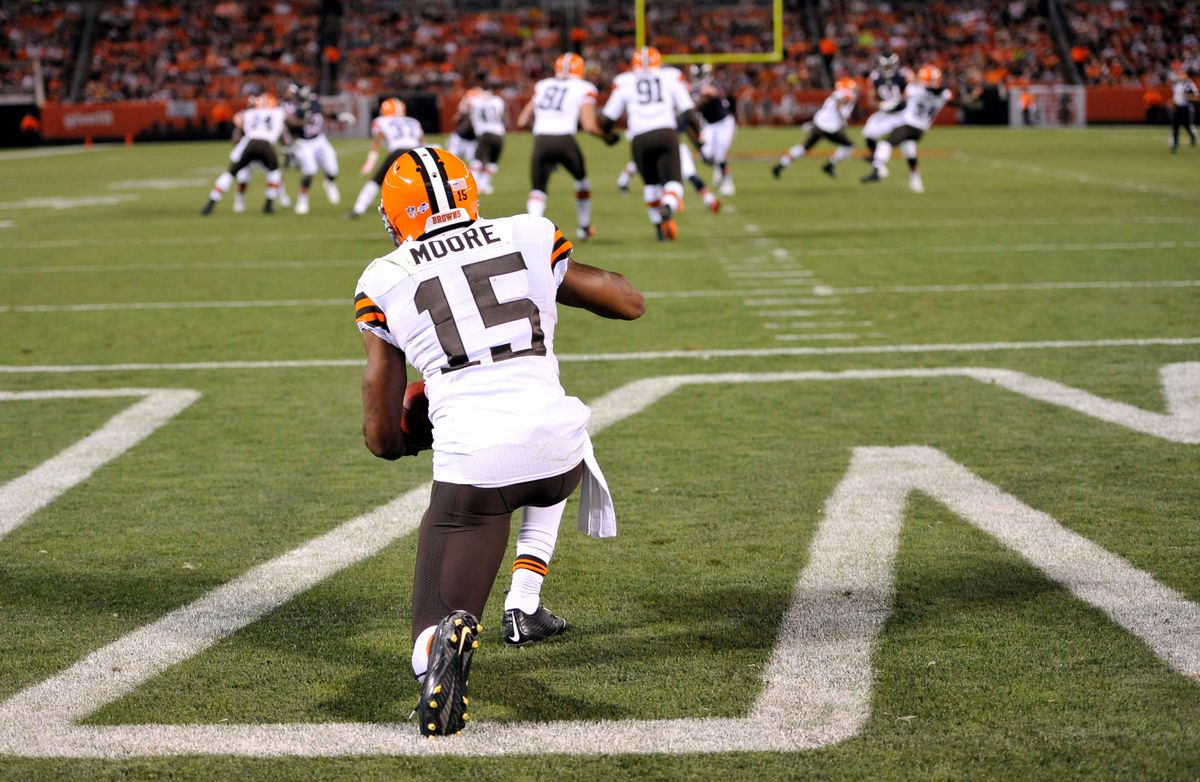
Among the two new rules passed today by the fiat of NFL owners— over the overwhelming objections of coaches—is one that will move touchbacks up five yards, with teams now starting from their own 25. This move is specifically designed with player safety in mind. It may well have the opposite effect.
Kickoffs are the most dangerous type of play in football, with 22 players crashing into each other from running starts. And injuries on kickoffs were up in 2015, according to the NFL, with concussions making up part of that increase. That’s bad for player health, and bad for NFL PR, and everyone assumes there’ll come a day when kickoffs are eliminated altogether. Until then, the league wants to reduce the number of kickoff returns. That’s why they moved kickoffs up to the 35-yard-line six years ago.
So: the touchback solution. The logic makes sense at first glance. If a ball is kicked into—but not through—the end zone, the returner has to make a decision: take the ball out, or kneel. With the average kickoff return sitting somewhere shy of 23 yards (this is complicated by including the yardage within the end zone), it often made sense for a returner to try his luck, figuring he could get farther than the 20. Now if kneeling puts the offense on the 25, returners may be less willing to run the ball out.
(Note that this ignores the irrational illogic of many kickoff returners. You could pin Cordarrelle Patterson in the very back corner of his end zone, with every opposing player having shed their blocks bearing down on him, and he’d think I can take this to the house.)
Here’s the big problem: if moving up the touchback discourages receiving teams from returning a kick, it incentivizes forcing opponents to return the ball. Now the math is no longer in favor of booming a kick out the back of the end zone. Now the math says you should put it in play and force them to bring it back.
Giving the offense the ball on the 25 on a touchback could lead to kickoff teams trying more “mortar” kicks with distance sacrificed for hang time. Two veteran special teams coordinators told the Tribune they believe it will lead more teams to instruct the kickers to get as much hang time as possible while landing the ball near the goal line in an effort to cover a kick and pin the offense inside the 25 or even inside the 20.
These high, booming kicks will also set up coverage teams to be in better position to make a hit sooner—so much for player safety.
“Return teams are looking for reasons to come out (of the end zone),” one coordinator said. “And kickoff teams are going to hit the ball to the goal line and hope to tackle the returner inside the 20. You watch, they’re going to get more returns this season because you don’t want to give anyone the ball at the 25.”
“They’re going to get the reverse of what they want,” another coordinator said. “There’s way too much difference in field position.”
We will see: this is something easily trackable. And the new rule is on a one-year trial basis, so they can just scrap it if it has the opposite effect. It’s certainly worth a shot.

Los Angeles Chargers Shouldn’t Resist Justin Herbert Trade

5 Fights to Make After UFC Vegas 112

Brewers vs. Dodgers Game 3 Predictions, Picks and Odds
The 5-0 49ers Are Finally Getting the Respect They Deserve

Jorge Masvidal Makes $100K Pick to Beat Islam Makhachev
Dana White's Contender Series Week 10 Predictions and Picks
- Bills vs. Rams Odds, Prediction and Best Bet for MNF
- Three Longshot NFL Futures Worth Betting in Week 5
- Falcons vs. Ravens Odds, Prediction and Best Bet for Sunday Night Football
- White Sox vs. Guardians ALDS Game 5 Betting Pick
- UFC Vegas 122 Betting Odds: The Biggest Line Moves Before Allen vs. Duncan
- UFC Vegas 122 Picks and Predictions: Three Bets for Allen vs. Duncan
- College Football Week 6 Bets: Three Picks for Saturday’s Biggest Games