One Year Until Baseball’s CBA Expires — Here’s What Could Happen

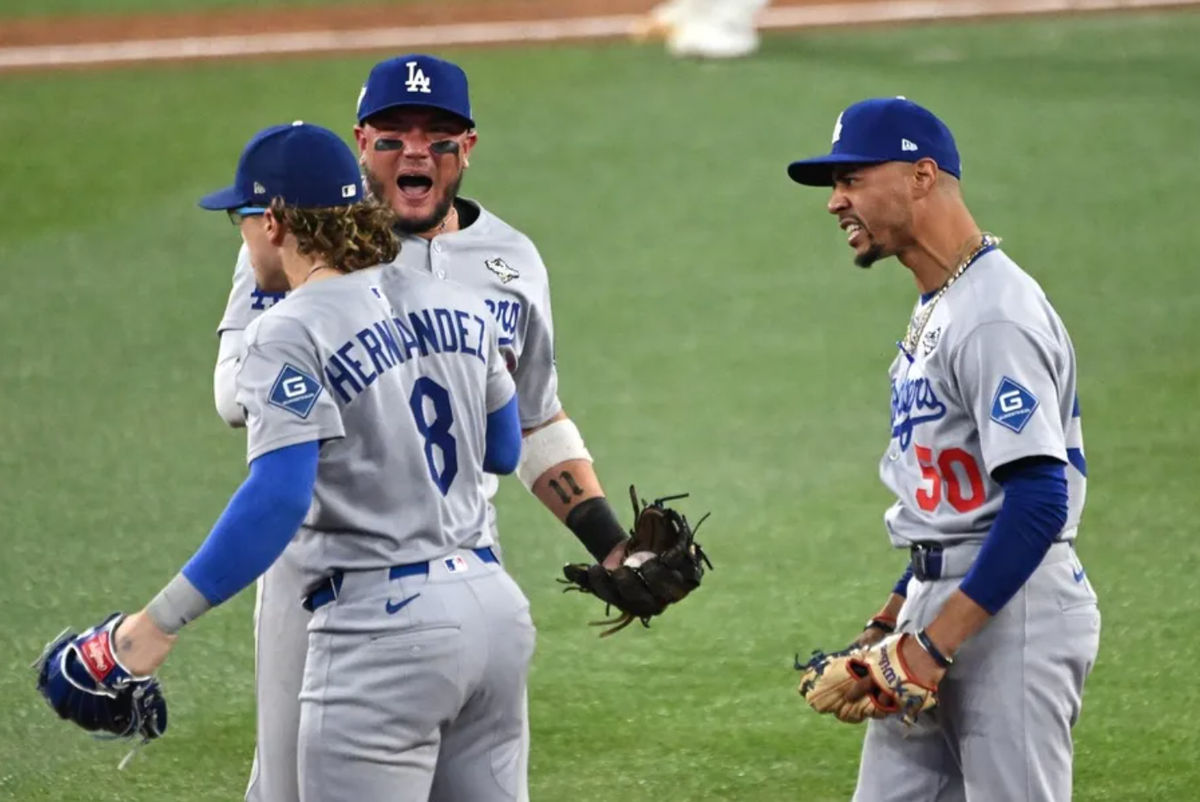 Oct 31, 2025; Toronto, Ontario, CAN; Los Angeles Dodgers first baseman Enrique Hernandez (8) and second baseman Miguel Rojas (72) and shortstop Mookie Betts (50) celebrate after defeating the Toronto Blue Jays in game six of the 2025 MLB World Series at Rogers Centre. Mandatory Credit: Dan Hamilton-Imagn Images
 Nerve-wracking but ultimately joyful experiences like graduations or weddings don’t feel real until they are a year away from happening.
Nor do stressful and potentially miserable experiences like Election Day… or the expiration of Major League Baseball’s collective bargaining agreement, which is scheduled to happen one year from today at 11:59 PM EST.
There’s a chance Dec. 1, 2026 will end up being a happy day filled with fans symbolically tossing rice as players and owners celebrate an agreement that tackles some of the game’s most pressing issues and takes the sport into the 2030s without a ruinous work stoppage.
Alas, it feels more likely we’ll watch the Pittsburgh Pirates take on the Don’t Call Them The Sacramento Athletics in the 2026 World Series than watch the next CBA hammered out without a lockout.
This CBA, of course, was preceded by a 99-day lockout that didn’t result in the loss of any regular-season games but was still the sport’s first work stoppage since the 1994-95 players’ strike canceled the 1994 World Series.
Commissioner Rob Manfred all but referred to a lockout as a fact of life in January, telling The Athletic that an offseason lockout was positive because “…the leverage that exists gets applied between the bargaining parties.”
And while Manfred and the owners wielding their one cudgel — plus some saber-rattling from both sides — is unavoidable, there’s a sense baseball is about to approach the cliff in a way it hasn’t since 1994-95.
As was the case 30-plus years ago, baseball’s very rich owners are crying poverty as they seek cost containment in the form of a salary cap. Even the New York Yankees’ Hal Steinbrenner, son of the late free-spending renegade George Steinbrenner, said he wouldn’t mind a cap — as long as it was accompanied by a “reasonable” salary floor.
But the NHL and NBA have joined the NFL in implementing caps since the mid-90s. Franchise worths in all sports are now measured in billions instead of millions and seem immune to economic ebbs and flows as well as public sentiment. Nobody has the power to vote the Pirates’ Bob Nutting or the White Sox’s Jerry Reinsdorf out of office. Whatever MLB owners have to lose with a lengthy work stoppage, it’s couch change compared to the money they could make on the other side.
The most visible leaders on the union side, such as MLBPA executive director Tony Clark and Philadelphia Phillies slugger Bryce Harper, are vehemently opposed to a salary cap.
But is their passion universally shared? Many of today’s players are too young to know a world without a cap in the other major sports. The current CBA was approved in March 2022, despite all eight members of the MLBPA executive committee voting against it.
Manfred, surely sensing tension within the ranks, has spent more time touring clubhouses since 2022. In June, he told The Athletic that his visits were intended to “…get them familiar with or supportive of the idea that maybe change in the system could be good for everybody,” which sounds a lot like the fox telling the hens he can be trusted to guard the house.
It would behoove the sport’s power brokers to negotiate a new CBA without stalling the momentum generated throughout this CBA. Manfred’s pitch clock has been a unanimous success. Attendance is up. Shohei Ohtani is the modern-day Babe Ruth.
The 2025 World Series, when Ohtani and the Los Angeles Dodgers outlasted the Toronto Blue Jays in seven games, was an instant classic and drew the best ratings for a Fall Classic since 2017. The sport is well-positioned to negotiate a lucrative and modern media rights deal once its broadcasting contracts expire following the 2028 season.
On the other hand, baseball is no stranger to fumbling away momentum. The 1994 season ended weeks after one of the best All-Star Games ever, with a slew of historical achievements on the horizon. Tony Gwynn was making a run at .400 (he would have gotten there), and Ken Griffey Jr. and Matt Williams were chasing Roger Maris.
The expanded playoff field, featuring wild card teams for the first time, loomed with the Montreal Expos pursuing their first championship and the long-suffering likes of the Yankees, White Sox, Indians, Royals, Rangers, and Astros all in contention.
It took years after the strike — and a steroid-fueled home run chase — for baseball to return to the national consciousness. There may not be such a path back to prominence in today’s fragmented society.
Ultimately, baseball’s fate lies in the hands of Rob Manfred. Will he coalesce a bunch of billionaires toward a solution other than a salary cap, or allow them to pursue the solution that took the sport over the cliff three decades ago?
There’s a year to go. It’s time to start fretting.
NBA Predictions Today: Expert Picks for March 24th Games
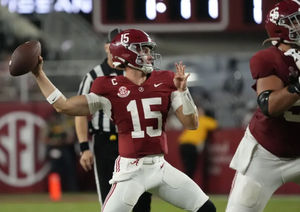
Why Ty Simpson Could Quickly Rise Up NFL Draft Boards
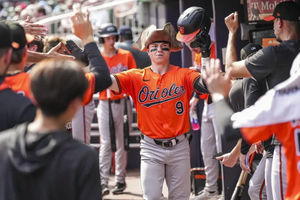
Two Best Longshot Bets to Win the 2026 World Series
2026 NFL Mock Draft: First 12 Picks Predictions and Analysis
- March Madness Sunday Bets: Texas Tech, Tennessee
- UFC London Betting Picks: Best Plays for Fight Night
- Best March Madness Saturday Picks: Arkansas vs. High Point, Vanderbilt ML
- Akron vs Texas Tech, Clemson vs Iowa: Best Bets for Friday
- NCAA Tournament Thursday Picks: Why Georgia and Saint Mary’s Offer Value
- NBA Picks Today: Best Bets for Warriors vs Celtics, Lakers vs Rockets
- Miami (OH) vs SMU Prediction: Best Bet for NCAA Play-In Game