The Marlins Are So Bad, Businesses Don't Want To Open Nearby

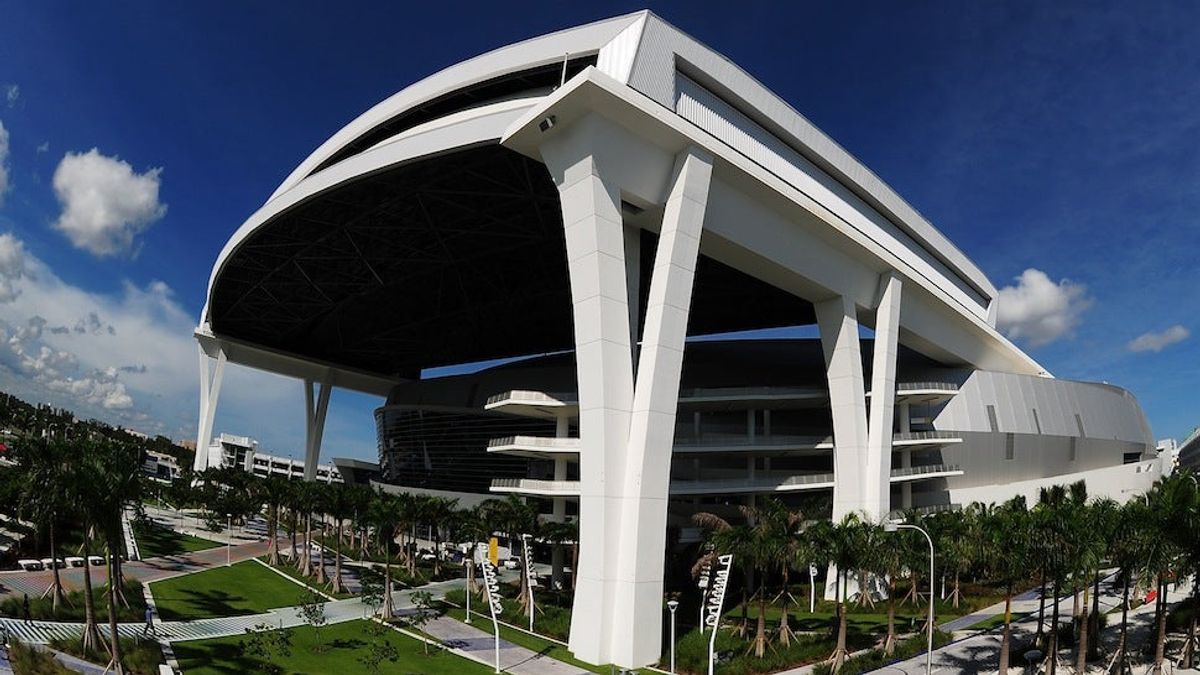
Apologies if it seems that we're dwelling on the failures of Marlins Park—but there are oh so many of them, each more embarrassing than the last. This one's about that huge "economic impact" the new stadium was supposed to bring to the area. More than a year after the stadium debuted, not one single business has opened in the"prime retail space" the ballpark was supposed to create.
You hear the same line every time from teams, and even politicians when selling a stadium scam: They deserve taxpayer money because the city's going to profit from job creation and increased spending. It never quite works out that way, but it doesn't stop the lie from being used, and effectively. The Marlins certainly sold Miami on the possibilities of reinvigorating Little Havana, including 8,500 square feet of retail space in new parking garages. (The garages were built and paid for by the city, naturally.)
The and notes that no stores are operating in the parking garages. Three large chains were close, though! Until the Marlins sold off every player of value.
A week after the November trade, leasing agent Arthur Stevens of Terranova Corp., the firm hired by the city to lure clients to the ballpark, expressed concern about Marco’s Pizza making good on its letter of intent to sign a lease.
“Marco’s is very concerned about what this will do to future attendance,’’ Stevens, who has since left the firm, wrote to the city’s public facilities director, Henry Torre. “Just thought you should know, I’ll keep you posted.”
Marco’s cut and ran.
Two months later, in January, Stevens again expressed concern over a client, this time a national restaurant chain named Firefly.
“While we want to do the deal with the Marlins, their investors are worried about the negative impact that the new Marlins team will have on overall traffic, attendance. One of their investors has contacts within who continues to hear not so good things,” Stevens wrote Henry in an email.
A few weeks later, Firely opted out.
A third potential tenant, national pub chain the Tilted Kilt, also bailed. Three other stores have signed leases but have yet to open, and when and if they do, they will bring in just $19,000 a month.
It's vital to note that the Marlins couldn't care less about these empty storefronts. The city constructed the buildings, the city owns the property, and the city is losing out on the potential rent money. Miami was counting on leasing the space to help pay down its $120 million debt on the parking garages—it sold the parking spaces to the team, who pocket the profits from gameday parking.
Hosting a professional sports team is a civic good, but it's time local governments stopped looking at it as an investment. Save a very few unique franchises, cities rarely make back the money they put into publicly financed stadiums—and almost never turn a profit. It's the team owners who get rich. (The Marlins were raking in $25 million annually when they had a crappy ballpark and low attendance, and now that Marlins Park is part of the package, Jeffrey Loria stands to make a massive profit when he sells the team.) A team wants a new stadium? Taxpayers shouldn't be the ones assuming the risk.
Dismantling of Miami Marlins hurt efforts to get tenants at new ballpark [Miami Herald]

WNBA Picks Today: Caitlin Clark, Dream and A’ja Wilson Props
MLB Picks Today: Two Best Bets for Thursday, August 20




3 Most Overrated Teams in the AP Top 25 Preseason Poll
- Dodgers vs. Rockies Prediction: Best Bets for Tuesday’s MLB Game
- WNBA Picks Today: Best Bets for Tuesday, August 18
- Tigers vs. Pirates Prediction: Best Bets, Odds and Picks for Monday
- MLB Best Bets: 3 Picks to Target on Sunday’s Full Slate
- MLB Betting Picks Today: Two Best Bets for Saturday, August 15
- UFC 330 Betting Guide: Best Bets for Makhachev vs. Machado Garry
- UFC 330 Picks: Top Plus-Money Underdog Prediction