Threat of boycott made NFL ditch its plans for a ‘bubble’ at the combine quickly

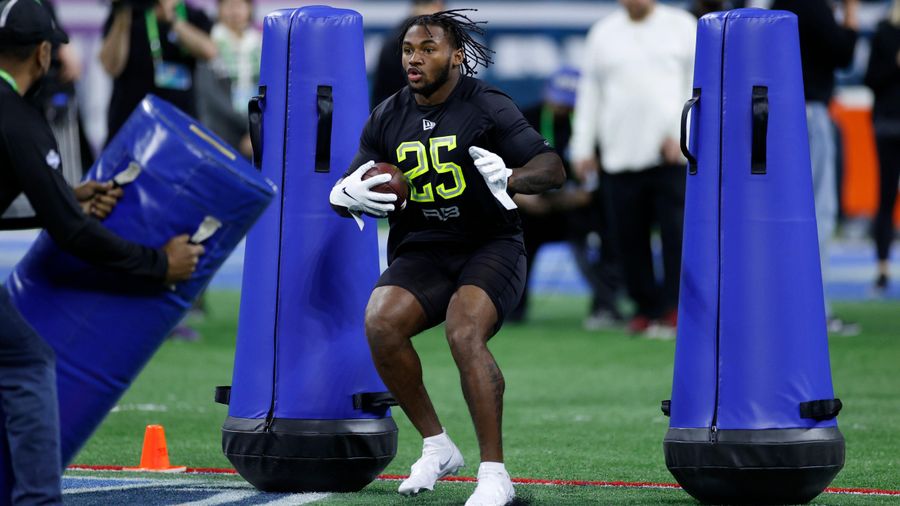 Running back D’Andre Swift runs a drill during the NFL Combine in 2020. source: Getty Images
 The boycott lasted less than 24 hours before the NFL walked back their restrictions.
With over 300 players invited to the NFL Scouting Combine in Indianapolis, the NFL sent out a memo to the prospective athletes indicating that their living conditions would be in a “bubble” style, with the players not allowed to venture outside of the hotel and the combine facilities during their time, and that they would be severely limited in the team of coaches and trainers that they were able to bring in for support.
There is no universal representation for prospective NFL players — mostly in their late teens and early twenties, they are represented by hired agents from private firms. Among the agents, there is little unity — they don’t have much interest in teaming up with the competition. But this NFL policy united 157 players under 14 agencies who threatened to boycott the on-field workout portion of the combine, leading to the NFL quickly and publicly repealing the policies.
While there are other components of the combine, including interviews and medical evaluations, the workout is what most people picture when they think about the combine, as it’s broadcast on NFL Network and visibly demonstrates the athletes’ physical abilities in an organized and timed fashion. While the athletes have another chance to show out at their schools’ on-campus pro days, this televised event is a big production for the league.
The severe restrictions were odd, seemingly far more indicative of the earlier pandemic months, particularly given the NFL’s stance on COVID restrictions throughout the year. As one agent pointed out, COVID testing completely stopped for the playoffs after being slowly loosened throughout the season and no one wore masks for the Super Bowl. Why now force these incoming athletes to follow restrictions that the league clearly didn’t believe in, at a controversial event whose legitimacy is already being questioned for other reasons?
This year, the scouting combine eliminated the Wonderlic test and instituted a fine for teams asking inappropriate questions. For all its bells and whistles, the combine is a job interview for a high-paying but physically demanding job that, as agent Mike McCarthy told Yahoo! Sports, something that “started with physicals and has grown into this big media event.” It’s a big revenue flush for the NFL in the offseason, but its actual necessity as a scouting tool is questionable.
The NFLPA is also anti-combine, stating in a memo to agents, “Our union has long believed that the NFL Combine is not in the best interests of a non-unionized workforce. Prospective employees have no privacy protections, no professional standards for interviews and no ability to control their own professional destiny.”
Since prospective players at the combine aren’t technically part of the NFL workforce, as they haven’t been signed by any team yet. They’re also coming out of NCAA football, which grants far fewer rights and privileges to their athletes than the NFL does, making it easier for the NFL to coerce athletes into doing what’s best for the league, even if it’s not in the best interest of the players themselves.
With this boycott threat and near-immediate repeal of the “bubble” restrictions, prospective players may now be realizing that they hold more power than they thought. While the combine is an honor to be invited to, it doesn’t exist without the athletes’ agreement to travel to a different city and perform on a televised stage, despite the pro day existing as well. But pro days don’t make money for the NFL, and the combine does.
The power of collective action between the agents and star prospective NFLers is not something to be taken lightly and, knowing what they do now after they were able to get COVID restrictions repealed with the threat of a partial boycott, incoming players and their representation may have the ability to change the future of NFL scouting and the current state of the combine.
In the memo to the agents, the NFLPA added, “It is important to take this opportunity to commend you on showing leadership in both reviewing what was in the best interests of the players and also applying collective pressure on the NFL to change course.”
In an era in which college athletes are finally gaining some independence and power over their own names and futures, it wouldn’t be surprising to see some demands being made to change the combine in a way that benefits the players’ health and comfort over the league’s profits.
Related
Duke’s Collapse vs UConn Adds to Troubling March Pattern
NBA Best Bets Today: Top Betting Picks for Monday March 30th
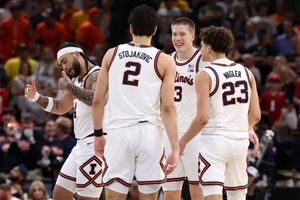
Why Illinois Is the Most Dangerous Team in the Final Four
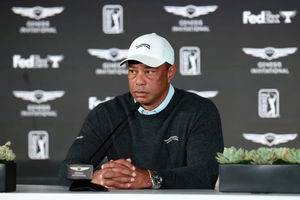
Tiger Woods’ Legacy at a Crossroads After Latest DUI Arrest
Top NBA Bets Today: Expert Picks for March 29 Slate
Did the World Baseball Classic Hurt MLB Starting Pitchers?
- UFC Seattle Predictions: Adesanya vs Pyfer Main Event Betting Picks and More
- Arizona vs Purdue Elite 8 March Madness Betting Picks, Prediction
- NBA Picks for March 27: Best Bets for Friday Night Slate
- Why St. John's Can Cover Sweet 16 Spread Against Duke
- MLB Best Betting Picks for Friday March 27th Slate
- Three Sweet 16 Teams To Avoid Betting in March Madness This Weekend
- NBA Betting Picks: Best Bets for Thursday’s Slate