Why Brain Damage Isn't An Issue In MMA, According To Dana White And UFC Fighters

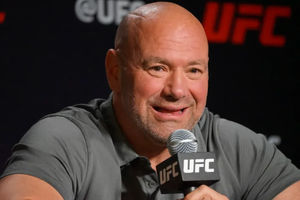
Interesting little colloquy here by UFC chief Dana White and some of his UFC 140 fighters about brain damage and concussions in MMA. For all its sanguinary appeal and danger, MMA is actually safer than sports like boxing, football, and hockey, at least according to the limited medical studies available. But that could change as more studies come out and more fighters compete. MMA is still a very young sport. And it ain't healthy to get clubbed in the skull. Ever.
MMA has evolved from style-vs.-style fights in which Brazilian jiu-jitsu experts throttled opponents on the ground, to an era when everyone had to learn BJJ to compete, to an era in which traditional wrestlers learned enough BJJ and striking to dominate. Now the best fighters know how to do everything at a top level. There's more striking in the sport, which increases the chances of cumulative head trauma. Look no further than the Nick Diaz-B.J. Penn slugfest in October. Diaz couldn't finish Penn in the fight, but he ended his career with punches in the second. In the third, Penn wanted to show his heart. He took more punches for it. What's remarkable is that both Penn and Diaz are elite BJJ practitioners who started off as grapplers. And they opted to punch each other in the face for three rounds.
That said, White and his fighters make valid points. In MMA, you can tap out to avoid damage. There's no standing eight count like in boxing, which gives woozy fighters just enough of a break so they can take more punishment. Refs in MMA are, for the most part, quick to intervene. And medical commissions force fighters to rest up for weeks and sometimes months before competing again. To protect its brand, the UFC has also been vigilant about medical screenings and even offers fighters injury insurance now.
In the end, the athletes in the above video make clear that they know what they're risking and choose to risk it anyway, which is more than can be said for some football players and hockey goons. The real problem becomes when the athletes no longer clearly perceive the risk and are compelled to take it anyway. Which hasn't seemed to happen too much in MMA. But there is some anecdotal evidence that it does, as evinced by Gary Goodridge, a former UFC fighter who says his brain "doesn't remember much these days." Then again, Goodridge also fought in a lot of kickboxing matches and budget MMA events staged in jurisdictions with loose rules.
Related




- Best NBA Betting Picks Today: Friday April 3rd Expert Predictions
- MLB Pitcher Props Today: Best Baseball Bets for April 3rd
- MLB Picks Today: Brewers vs Rays and Reds vs Pirates Predictions
- NBA Picks Today: Celtics vs Heat, Hawks vs Magic, Nuggets vs Jazz Bets
- MLB Best Bet Today: Los Angeles Angels vs Chicago Cubs Betting Pick
- NBA Best Bets Today: Top Betting Picks for Monday March 30th
- Michigan vs Tennessee Prediction: Why Wolverines Are the Elite 8 Best Bet