Zach Parise And Ryan Suter Slip Through A Massive NHL Loophole, Before It Closes In A Few Months

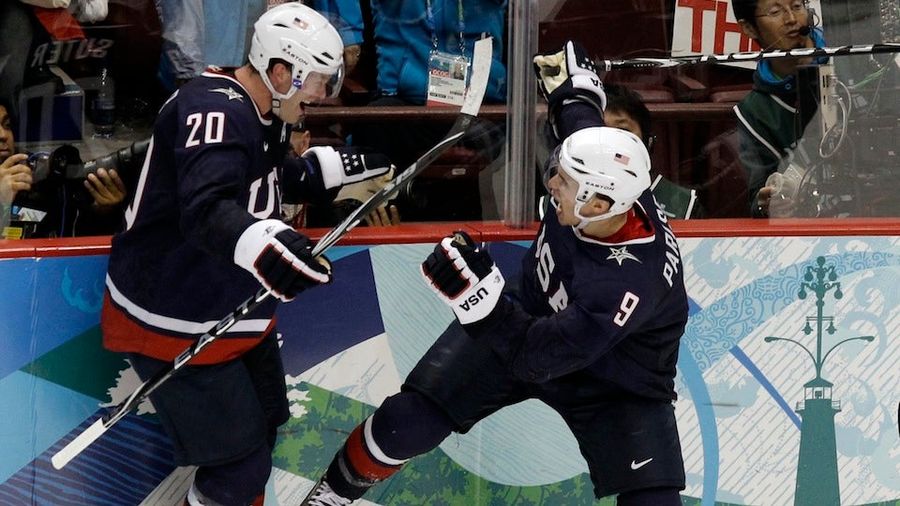
The Minnesota Wild signed both Zach Parise and Ryan Suter yesterday, and more power to them. Hockey's always better when a Minnesota team is good. The formerly thrifty Wild already have the second-highest payroll in the league, but their salary cap hits won't be nearly as brutal as they ought to be. That's because the Wild took advantage of one of the NHL's most glaring loopholes, and they did it just in time—contracts like this won't be legal in a few more months.
Parise and Suter signed identical 13-year, $98 million deals. Averaged, those are cap hits of $7.54 million—totally in line with their skills. But hidden within those numbers are the real contracts: a more lucrative $94 million over 10 years. The Wild frontloaded both deals, with each player receiving just $2M, $1M and $1M in the final three years. No one expects the player to play those seasons, when they're pushing 40 years old. They're just stuck on the end to lower the cap hit by nearly $2 million a season.
Yes, this is exactly the sort of frontloaded deal that stirred controversy when it was handed out to Ilya Kovalchuk. And Roberto Luongo, and Marian Hossa, and Brad Richards. But Kovalchuk's was the most blatant—his original deal with New Jersey would have run until he was 44 years old, and would have paid him less than a million dollars in each of the last six seasons. The NHL voided that contract, and forced the Devils to come up with one that was a little more realistic. Then they passed a pair of amendments to the CBA to stop this from ever happening again. Except, here we are.
What happened? The two amendments didn't close the loophole far enough. The first one stopped teams from being able to average in salary cap hits for any seasons where a player is over 40 years old. So the Wild gave Parise and Suter deals that end when they turn 40. The second one stopped teams from offering tack-on years under $1 million. So the Wild gave Parise and Suter deals that end with two consecutive seasons of exactly $1 million.
The union loves these deals, because it lets players get paid at levels the salary cap wouldn't normally allow. But owners hate them, because it's blatant salary cap circumvention, and they're financialy opposed to ultra-longterm deals in the first place. With CBA talks already ongoing, expect frontloaded contracts to be a thing of the past by the time the season rolls around. The most likely solution: a sort of de-escalation clause, which keeps a contract's lowest season salary from dropping below a certain percent of the highest season salary. If it were, say, 50 percent, the Wild wouldn't have been able to include any seasons cheaper than $6 million. That'd be more within the spirit of the law, but it's hard to blame teams and players from making use of the loophole these last seven years. The spirit of the law doesn't sign contracts or paychecks.









- Best NBA Betting Picks Today: Friday April 3rd Expert Predictions
- MLB Pitcher Props Today: Best Baseball Bets for April 3rd
- MLB Picks Today: Brewers vs Rays and Reds vs Pirates Predictions
- NBA Picks Today: Celtics vs Heat, Hawks vs Magic, Nuggets vs Jazz Bets
- MLB Best Bet Today: Los Angeles Angels vs Chicago Cubs Betting Pick
- NBA Best Bets Today: Top Betting Picks for Monday March 30th
- Michigan vs Tennessee Prediction: Why Wolverines Are the Elite 8 Best Bet