Machers And Rockers: Jews And The Blues

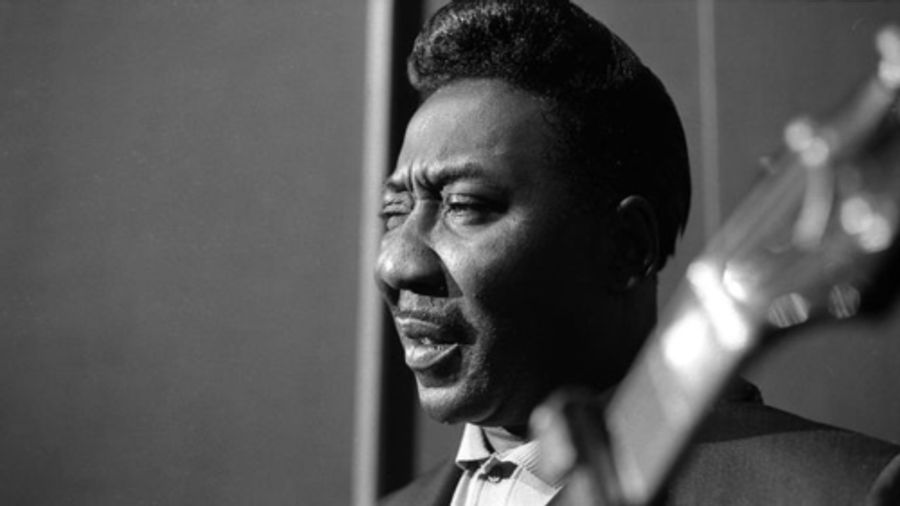
From Rich Cohen's winning book, The Record Men, here's an excerpt about Leonard Chess and Muddy Waters:
Leonard placed Muddy's record in stores across the South Side, in groceries and beauty salons and newsstands, where he hoped people would recognize Muddy's name from the dives. This is the part of the story where I am supposed to say this record, which the boss did not want to release, a record without precedent, made by a mostly illiterate black man (Muddy could sign his name) who, until a few years before, lived in a shack on the edge of a cotton field, became a surprise, runaway hit—and so it did! On the morning of its release, when Muddy walked to Maxwell Street to buy a copy, he was told, because the record was selling so fast, customers were allowed only two copies. Muddy bought two and sent his wife back for two more. There was no radio, no advertising, no nothing. It was word of mouth. Leonard had stumbled upon a vast reserve: over a hundred thousand blacks from Mississippi who craved their own music. For everyone else, it was a change in the weather, an appearance of the real, Brando mumbling in a movie. It was like that commercial: she told two friends, and she told two friends, and so on, and so on. The record sold out by the end of the first day. Leonard pressed thousands more. He did not analyze this success or take it apart—he simply did what good merchants do: played out the string, not caring why it worked, just glad it did. He stayed with it until it redefined him: switched the label from sophisticated Blues to a down-home sound. Leonard was now the impresario of Delta Blues, music sold to the poorest people in the city. He began signing the artists, most of them from Mississippi, who would turn his company into a powerhouse: Robert Nighthawk, Robert Little John, Little Milton, Clarence Gatemouth Brown, John Lee Hooker. Muddy's record went on to sell over sixty thousand copies, many more than any other record ever released by Aristocrat. It reached top twenty in Billboard.
For Muddy, it was a strange sensation. Fame. As if he had cast off an image that had gone on to live a life of its own. What did it have to do with him? Late one night, he was driving alone through the city in his new convertible, the streets shut down and the windows dark and the dark towers like a distant line of hills, and that warm wind that blows all summer, and he heard a sound so forlorn and familiar he pulled over and sat for a long moment listening before he realized it was his own voice, his own song, floating down from the dark apartments above. "And it really scared me," he said. "I thought I had died."
[Photo Via: Past Blues]


- NBA Best Bets Today: Top Betting Picks for Monday March 30th
- Michigan vs Tennessee Prediction: Why Wolverines Are the Elite 8 Best Bet
- Top NBA Bets Today: Expert Picks for March 29 Slate
- UFC Seattle Predictions: Adesanya vs Pyfer Main Event Betting Picks and More
- Arizona vs Purdue Elite 8 March Madness Betting Picks, Prediction
- NBA Picks for March 27: Best Bets for Friday Night Slate
- Why St. John's Can Cover Sweet 16 Spread Against Duke