Trent Richardson Given The First Bad Penalty In AAF History After Spiking Ball Into Stands


It took over three quarters of play, but the Birmingham Iron scored the first touchdown in franchise history on Sunday; and it was all thanks to former NFL running back Trent Richardson. The former Alabama star scored from four yards out on a read option play, escaping from one would-be tackler.
Unfortunately for Richardson, he got a little too excited after he scored and gave what was described on the broadcast as a “Gronk spike.” The ball ended up bouncing off the field and into covered seats in the stands. This was considered an flaggable offense by the officials and they penalized the running back for unsportsmanlike conduct for what’s probably the first egregiously dumb call in the league’s history, so far.
For a league that considers certain aspects of its game to be more progressive than what the NFL offers—transparent replay reviews, shortened commercial breaks between possessions, and no kickoffs—it’s odd that this is one of the rules from the No Fun League that the AAF decided to keep around. What’s even stranger is that for some reason the officials are strict on spikes like that and not hits like this:
Allowing those Jacked Up! style hits while limiting the range players are allowed the spike the ball feels like bad trade to me.
Related
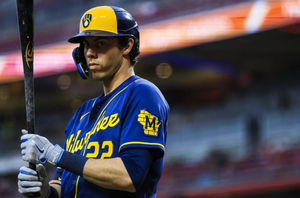
Can the Brewers Beat the Dodgers After Adding Tarik Skubal?
WNBA Best Bets: Three Picks to Consider on Tuesday’s Slate
5 Fights To Make After UFC Fight Night Gamrot vs. Salkilld
Ranking the NBA’s Christmas Day Games From Worst to Best
Ben Simmons Doesn't Deserve One More Chance in the NBA
Chad Tracy Should Be a Lock for AL Manager of the Year
- Orioles vs. Twins Prediction, Odds and Best Bet for Monday
- UFC Vegas 120 Odds, Picks and Predictions: Best Bets for Saturday
- WNBA Best Bets: Three Picks for Friday's Slate
- Panthers vs. Cardinals Best Bets: 3 Picks for the Hall of Fame Game
- MLB Best Bets Today: White Sox vs. Red Sox and Twins vs. Royals Picks
- Mets vs. Guardians Prediction, Odds and Best Bets for Tuesday
- 3 MLB Futures Bets to Make After the Trade Deadline