What Boxing Writing Can Teach Us About Everything

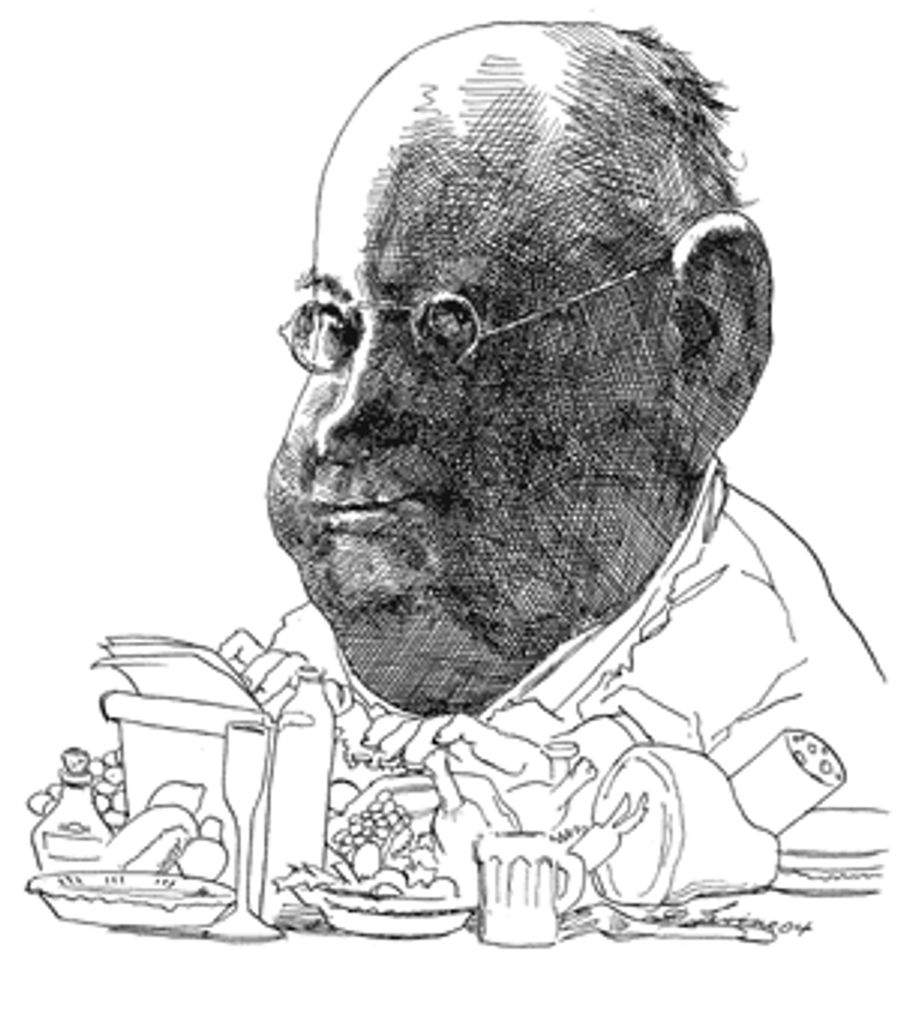
Excerpted from his essay for A New Literary History of America, check out this piece by Carlo Rotella:
Between the Victorian era and the Sixties, boxing was a regular and prominent feature of American life. Knowing something about the fights—being good with your hands, or maintaining an opinion about the welterweight division or fixed bouts or how to beat a southpaw—was a very common piece of equipment in the toolbox of American cultural competence, especially the section of it devoted to masculinity. Boxing shared with baseball the status of the sport that mattered most (with horse racing not far off the pace), and cultural paths of least resistance allowed almost anyone to know at least a little about it. Newspapers offered daily coverage by reporters who specialized in boxing, magazines from the Police Gazette to The New Yorker prided themselves on their frequent fight pieces, and magazines devoted entirely to boxing thrived. Boxing gyms, like saloons and union halls, were typical features of working-class neighborhoods across the range of ethnic and racial variety. Middle- and upper-class boys could find their own paths to the manly art; Theodore Roosevelt boxed at Harvard and FDR at Groton, for instance. Film, radio, and then television offered boxing in heaping doses. Remember Eloise, the girl in the much-loved children's book who lives at the Plaza? Remember what her nanny does on Friday evenings? She orders beer from room service, smokes, and watches the fights on NBC's Gillette Cavalcade of Sports. And there was plenty of opportunity to see boxing in the flesh, from numerous fight cards in modest venues featuring local tough guys to marquee events in stadiums featuring world-famous pugilists. The land reverberated with the fight world's signature cadences, banged out on speed bags and typewriters, and called out by jargon-shouting fans: "Stop waltzin' with 'im, ya bum, and hook off the jab! Over 'n under!"
In The Sweet Science (1956), a collection of fight pieces first published in The New Yorker, A. J. Liebling elegizes this golden age of American boxing, which at midcentury was beginning to end. In his introduction, Liebling notes "certain generalized conditions today, like full employment and a late school-leaving age, that militate against the development of first-rate professional boxers." As football, basketball, and other school-based team ball games rose to dominate sports culture, the structural underpinnings of boxing in the industrial neighborhood order withered away, eroded by deindustrialization, suburbanization, and other long-wave forces that transformed the inner city. The more easily identifiable villain was television, which "by putting on a free boxing show almost every night of the week," had "knocked out of business the hundreds of small-city and neighborhood boxing clubs where youngsters had a chance to learn their trade and journeymen to mature their skills." The fights were a mainstay of early television, which kept boxing in the public eye while hastening its uprooting from the social landscape.
[Drawing by David Levine]
- NBA Best Bets Today: Top Betting Picks for Monday March 30th
- Michigan vs Tennessee Prediction: Why Wolverines Are the Elite 8 Best Bet
- Top NBA Bets Today: Expert Picks for March 29 Slate
- UFC Seattle Predictions: Adesanya vs Pyfer Main Event Betting Picks and More
- Arizona vs Purdue Elite 8 March Madness Betting Picks, Prediction
- NBA Picks for March 27: Best Bets for Friday Night Slate
- Why St. John's Can Cover Sweet 16 Spread Against Duke