Florida State Is Privatizing Its Athletic Department To Shield Itself From Scrutiny

 credits: Butch Dill | source: [object Object]
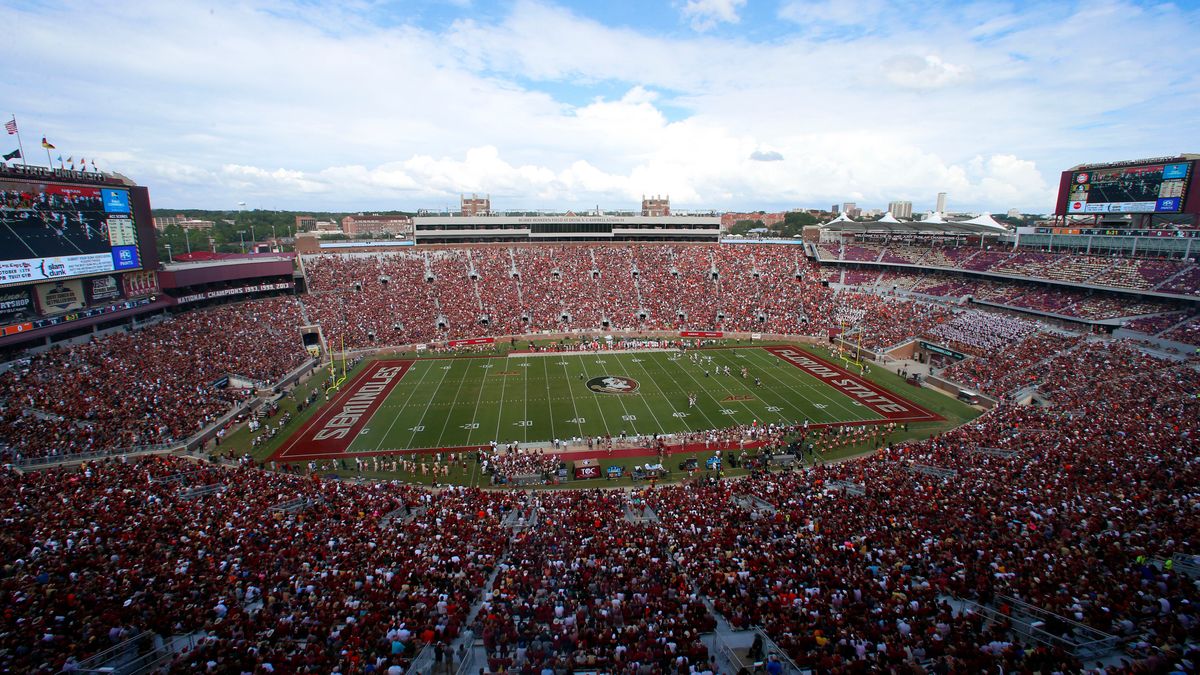
 Florida State University’s Board of Trustees voted Friday to establish a new organization that’ll run the school’s athletic department: The Florida State University Athletics Association. According to the , FSU boasted that the new organization would “streamline the relationship” between the athletics department and boosters, and if that sounds shady as hell, it’s not even the half of it. The move will privatize FSU’s athletics department—essentially giving it all the benefits of being both a private corporation, including shielding it from public scrutiny—while still operating on behalf of a taxpayer-funded institution. Florida State is expecting the changes to take effect by the fall.
Florida State’s privatization is far from the first in Florida, as schools like the University of Florida and University of Central Florida have been benefitting for years from a state law that allows them to classify their athletics programs as “direct-support organizations”—essentially, a private, non-profit corporation separate from the university. In Florida State’s case, this change feels especially egregious in light of a parade of recent scandals and controversies at the school, all of which deserve to be further explained and understood through public record requests. With this new privatization, FSU’s athletics department will be able to decline any public record requests it doesn’t want to answer, taking formerly public records away from outsiders.
Florida State gets these new privileges without one big drawback that usually goes with them—the athletic department still will be subject to an immunity clause that limits any jury judgements or settlements to just $200,000. Anything higher would have to be approved by the state legislature, because it’d be paid by the taxpayers. Obviously, that’s not a perk a private corporation normally enjoys.
That minuscule limit came into play earlier this decade, to the benefit of UCF’s athletic association, after Ereck Plancher collapsed and died during a football practice in 2008. In 2011, a jury awarded Plancher’s family $10 million, but after the organization appealed all the way to the Florida Supreme Court, they didn’t have to pay more than $200,000.
Under this arrangement, not only would Florida State’s athletic leadership not have to be transparent in the event of a scandal or tragedy—similar to the way Maryland was held accountable after the death of Jordan McNair—but there also would be an artificial cap on the judicial consequences for their actions. Florida’s not the only state where athletic departments have found ways to operate outside of public oversight— Georgia and Pennsylvania are two others—but given how little reason there is to trust any college athletic department, it’s disturbing that the trend is moving towards more secrecy, not less.
Related


UFC 332 Betting: Best Bets for Silva vs. Wang and More

MLB Playoff Picks: Rays vs. Yankees, Padres vs. Brewers

Week 5 College Football Betting: Three Picks That Stand Out

Guardians vs. White Sox ALDS Preview, Odds and Prediction

UFC 332 Has a New Champion to Crown, Here’s What to Watch

Two UFC 332 Fights Are Seeing Major Line Movement

UFC 332 Underdog Pick: King Green vs. Esteban Ribovics

10 NFL Players Who Could Be Traded Before the Deadline
- Two UFC 332 Fights Are Seeing Major Line Movement
- UFC 332 Underdog Pick: King Green vs. Esteban Ribovics
- Two Friday College Football Friday Betting Picks to Kick Off Week 5
- MLB Playoff Futures: 3 Bets to Make Before the ALDS and NLDS
- UFC 332 Betting Splits: Where the Sharp Money Is Landing This Weekend
- Steelers vs. Browns Prediction: Best Bet for Thursday Night Football
- Phillies vs. Braves Game 3 Prediction: Best Bets for NL Wild Card