The NCAA Has A Lack Of Institutional Control

The NCAA's investigation of Miami screeched to a halt last month, as it emerged that the enforcement program had inappropriately paid booster Nevin Shapiro's attorney to help them nail the football program. That attorney, Maria Elena Perez, was actually on the NCAA's payroll—she received at least $20,000 to pass along information obtained through bankruptcy depositions that had nothing to do with the case.
The NCAA contracted an outside investigation into its handling, and less than three weeks later (the NCAA had no idea investigations could be conducted so quickly!), the findings have been released. Members of the enforcement staff "knowingly circumvented legal advice to engage Nevin Shapiro's criminal defense attorney." Additionally, they "violated the internal NCAA policy of legal counsel only being retained and monitored by the legal staff."
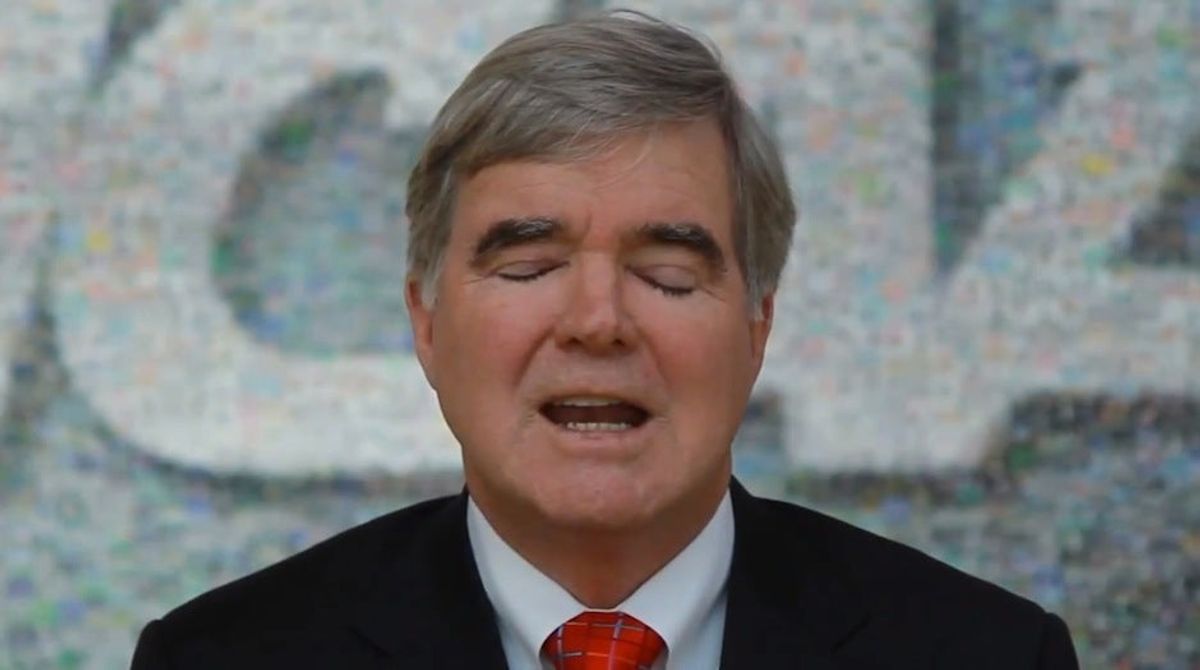
But—and this is a wonderful but for Mark Emmert and co.—the investigation found the enforcement staff's actions "did not violate a specific bylaw or law." Which means, if Emmert is really serious about, as he says, "ensuring our actions are consistent with our own values and member expectations," then he's got to consider invoking that favorite NCAA catch-all of programs gone wrong—the lack of institutional control.
• In response to the findings, the NCAA has fired Julie Roe Lach, the vice president of enforcement. Roe Lach, handpicked by Emmert to be the enforcement head when he took over in 2010, was responsible for approving the payments to Shapiro's attorney.
• In December, the NCAA fired investigator Abigail Grantstein, who had been looking into the case of UCLA's Shabazz Muhammad. An overheard phone call indicated that Grantstein had judged Muhammad guilty before the investigation was over, and, at the very least, was sharing confidential information.
• Ameen Najjar, a veteran investigator working the Miami case, was fired last year for being the NCAA's main conduit between Perez and the NCAA.
• Bill Benjamin, a former police chief hired to lead the NCAA's football investigations, abruptly resigned after just eight months on the job.
• Assistant director of enforcement Richard Johanningmeier led the NCAA's troubled investigation of USC, and also played a part in the controversial Miami case. He retired in 2012, but his role is just emerging now. One example, from the report released today:
To facilitate communications between the NCAA and Mr. Shapiro, Mr. Johanningmeier purchased a disposable mobile phone and paid for Mr. Shapiro's use of the prison telephone system. Mr. Johanningmeier, in turn, expensed those costs to the NCAA. (Comley; Lach; Johanningmeier; Najjar; Shapiro). We learned that the NCAA had expended approximately $8,200 to fund communications with Mr. Shapiro, including transfers of approximately $4,500 to his prison commissary account from which he pays for communications expenses.
Yes, the NCAA used a burner phone to call Nevin Shapiro in prison. And paid Shapiro himself, their star witness, $4,500 for his cooperation.
It's time for the death penalty.
Related


Why the UFC Released Undefeated Bantamweight Farid Basharat
Why the Milwaukee Brewers Are Built to Win the World Series

- Cowboys vs. Packers Prediction: Best Bet for Sunday Night Football
- UFC Edmonton Best Bets, Predictions and Fight Picks
- Rays vs. Guardians Game 4 Best Player Props Betting Picks
- College Football Week 8 Best Bets: Ohio State, Alabama and More
- Joaquin Buckley Plummets From -300 Favorite to Underdog at UFC Edmonton
- WNBA Finals Picks: Dream, Valkyries and Gabby Williams Best Bets
- UFC Vegas 122: 5 Underdogs Drawing Sharp Money This Weekend