Kazan: An Appreciation

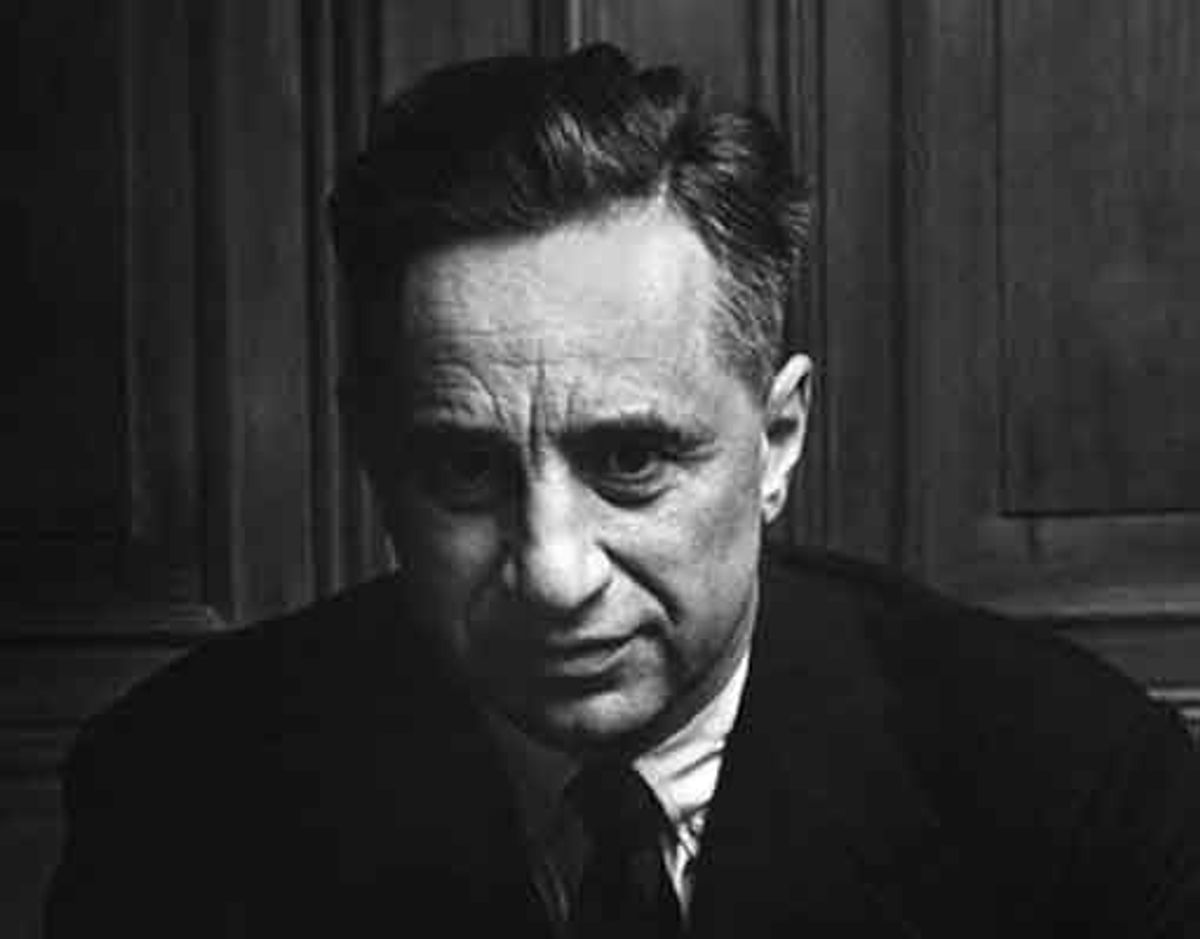
A few years ago there was a nice appreciation of Elia Kazan by John Lahr over at The New Yorker:
"I've never seen a director who became as deeply and emotionally involved in a scene," Marlon Brando wrote in his autobiography, "Songs My Mother Taught Me." "Kazan was the best actors' director by far of any I've worked for. [He] got into a part with me and virtually acted it with me." Arthur Miller wrote, in "Timebends," "Life in a Kazan production had that hushed air of conspiracy. A conspiracy not only against the existing theatre, but society, capitalism—in fact everybody who was not part of the production." Kazan didn't razzle-dazzle his actors with talk. Instinctively, when he had something important to tell an actor, he would huddle with him privately, rather than instruct in front of the others. He sensed that "anything that really penetrates is always to some degree an embarrassment," Miller noted, adding, "A mystery grew up around what he might be thinking, and this threw the actor back on himself." Kazan, who was no stranger to psychoanalysis, operated on the analytic principle of insinuation, not command. He believed that, for an interpretation to be owned by an actor, the actor had to find it in himself. "He would send one actor to listen to a particular piece of jazz, another to a certain novel, another to see a psychiatrist, another he would simply kiss," Miller recalled. Kazan's trick was to make the actors feel as though his ideas were actually their own revelations.
Kazan's ability to submerge himself in a story served writers as creatively as it did actors. "I tried to think and feel like the author so that the play would be in the scale and in the mood, in the tempo and feeling of each author," he said. "I tried to be the author." Kazan is remembered primarily as a director, but his invisible contribution to writers is equally important. Blanche DuBois, Stanley Kowalski, Willy Loman, Big Daddy, Brick, Maggie the Cat, Chance Wayne—defining figures in the folklore of the twentieth century—all bear the marks of Kazan's shaping hand. Of the many playwrights with whom he collaborated—William Inge, Arthur Miller, Archibald McLeish, Thornton Wilder—he had no partnership that was more intimate or influential than his work with Tennessee Williams. "It was a mysterious harmony," Kazan wrote. "Our union, immediate on first encounter, was close. . . . Possibly because we were both freaks." Kazan and Williams also had in common an oppressive father, a doting mother, a faith in sexual chaos as a path to knowledge, and a voracious appetite for success.
Kazan's 1988 memoir, "A Life," is well-worth tracking down.

Luka Doncic Has a New Lakers Team, Now Comes the Hard Part
UFC Edmonton Best Bets, Predictions and Fight Picks
Rays vs. Guardians Game 4 Best Player Props Betting Picks
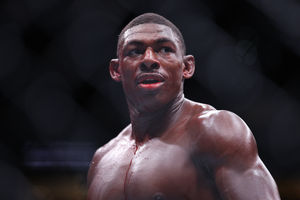
UFC Vegas 122: 5 Underdogs Drawing Sharp Money This Weekend
- Joaquin Buckley Plummets From -300 Favorite to Underdog at UFC Edmonton
- WNBA Finals Picks: Dream, Valkyries and Gabby Williams Best Bets
- UFC Vegas 122: 5 Underdogs Drawing Sharp Money This Weekend
- Seattle Seahawks vs. Denver Broncos TNF Betting Pick
- Brewers vs. Dodgers Game 3 Predictions, Picks and Odds
- Dana White's Contender Series Week 10 Predictions and Picks
- Guardians vs. Rays Game 2 Prediction: Picks, Odds and Best Bets