Brain Game

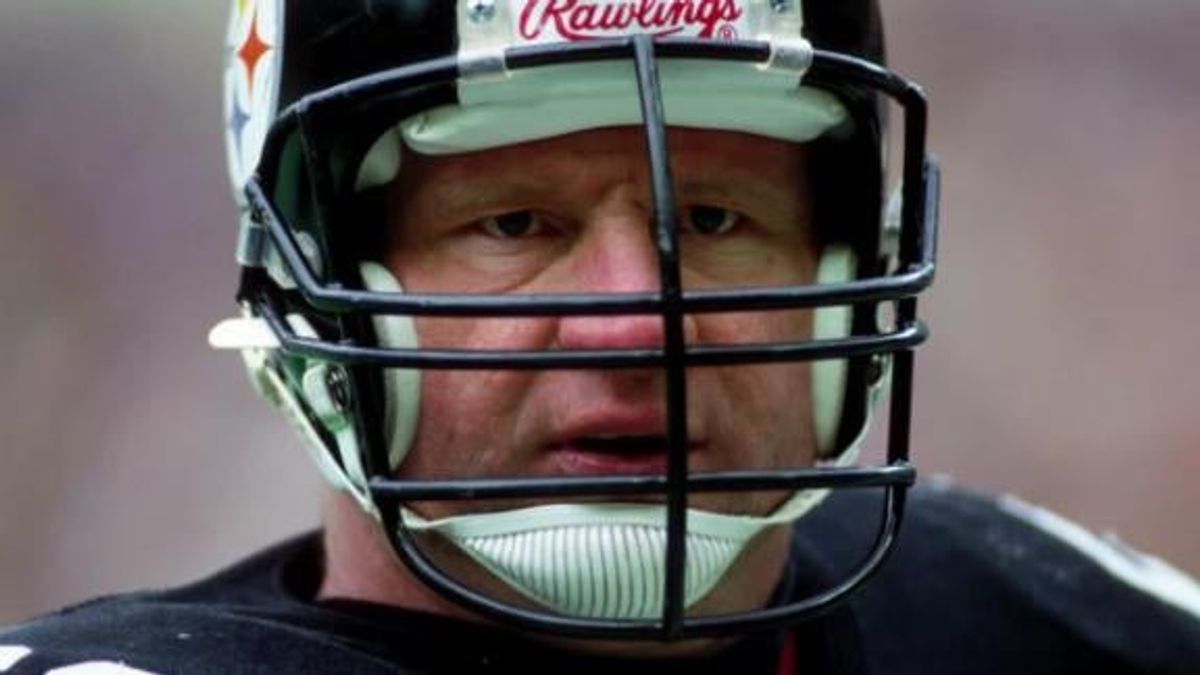
If you've never read "Game Brain," Jeanne Marie Laskas' 2009 , do yourself a favor. It's a good one:
On a foggy, steel gray Saturday in September 2002, Bennet Omalu arrived at the Allegheny County coroner's office and got his assignment for the day: Perform an autopsy on the body of Mike Webster, a professional football player. Omalu did not, unlike most 34-year-old men living in a place like Pittsburgh, have an appreciation for American football. He was born in the jungles of Biafra during a Nigerian air raid, and certain aspects of American life puzzled him. From what he could tell, football was rather a pointless game, a lot of big fat guys bashing into each other. In fact, had he not been watching the news that morning, he may not have suspected anything unusual at all about the body on the slab.
The coverage that week had been bracing and disturbing and exciting. Dead at 50. Mike Webster! Nine-time Pro Bowler. Hall of Famer. "Iron Mike," legendary Steelers center for fifteen seasons. His life after football had been mysterious and tragic, and on the news they were going on and on about it. What had happened to him? How does a guy go from four Super Bowl rings to...pissing in his own oven and squirting Super Glue on his rotting teeth? Mike Webster bought himself a Taser gun, used that on himself to treat his back pain, would zap himself into unconsciousness just to get some sleep. Mike Webster lost all his money, or maybe gave it away. He forgot. A lot of lawsuits. Mike Webster forgot how to eat, too. Soon Mike Webster was homeless, living in a truck, one of its windows replaced with a garbage bag and tape.
It bothered Omalu to hear this kind of chatter—especially about a dead guy. But Omalu had always fancied himself an advocate for the dead. That's how he viewed his job: a calling. A forensic pathologist was charged with defending and speaking for the departed—a translator for those still here. A corpse held a story, told in tissue, patterns of trauma, and secrets in cells.
In the autopsy room, Omalu snapped on his gloves and approached the slab. He noted that Mike Webster's body was sixty-nine inches long and weighed 244 pounds. He propped up the head and picked up his scalpel and sliced open the chest and cracked open the ribs. He took out the heart and found everything he expected of a man who was believed to have died of a heart attack, as was the case with Webster. Then he made a cut from behind the right ear, across the forehead, to the other ear and around. He peeled the scalp away from the skull in two flaps. With the electric saw he carefully cut a cap out of the skull, pulled off the cap, and gently, like approaching a baby in the birth canal, he reached for the brain.
Omalu loved the brain. Of all the organs in the body, it was easily his favorite. He thought of it sort of like Miss America. Such a diva! So high-maintenance: It requires more energy to operate than any other organ. The brain! That was his love and that was his joy, and that's why his specialty was neuropathology.
Guardians vs. Rays Prediction: Picks, Odds for ALCS Game 1



Brendan Allen Has Earned the Right to Fight for UFC Gold
Bills vs. Rams Odds, Prediction and Best Bet for MNF
Three Longshot NFL Futures Worth Betting in Week 5
- White Sox vs. Guardians ALDS Game 5 Betting Pick
- UFC Vegas 122 Betting Odds: The Biggest Line Moves Before Allen vs. Duncan
- UFC Vegas 122 Picks and Predictions: Three Bets for Allen vs. Duncan
- College Football Week 6 Bets: Three Picks for Saturday’s Biggest Games
- UFC Fight Night Underdog Pick: Why Kai Kamaka III Is Worth a Bet
- WNBA Playoff Picks: Best Bets for Liberty-Dream and Aces-Valkyries
- Friday College Football Best Bets: Iowa-Washington and BYU-Iowa State