How They Followed Baseball Before Radio, Or: Steampunk Gamecast


The Atlantic at century-old gadgets invented to bring baseball results to the masses as live as possible, at a time when the only options were attending a game or waiting for the evening newspaper. Or that monstrosity above.
Pictured here in 1924, the Coleman Lifelike was a sheet of painted fabric depicting a ball field. Looking carefully, you can make out the ghost-like images of players in the outfield and on the base paths. Where the magic of the Coleman happened, though, was backstage. There, a series of lights shone through the thin fabric indicate the progress and location of hits, base runners and fielders ... This was not a one man job. Several controlled the indicators, one acted as announcer. At far left, a young man sits at a teletype machine, ready to relay the action.
Later, there's creepy animatronic puppets. So go read the whole thing.

Why Tyrese Maxey Is the Key to the Sixers’ Success
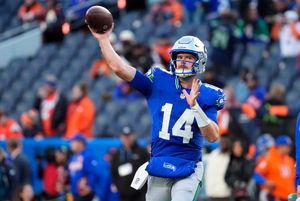
Seahawks vs. Chiefs Betting Pick: SNF Best Bets


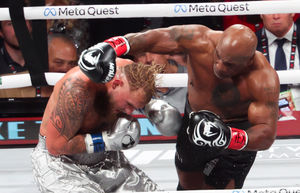
Why Did Netflix Mike Tyson Docuseries Omit His Last Fight?



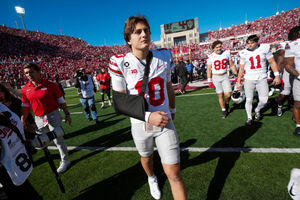
Ohio State’s Season Is in Jeopardy After Julian Sayin Injury
- UFC 333 Betting Lines Are Tightening Across a Wide-Open Fight Card
- UFC 333 Betting Splits: Where the Sharp Money Is Landing This Weekend
- NBA Best Bets Today: Pacers, Grizzlies and Trail Blazers Picks
- College Football Week 8 Best Betting Picks, Predictions
- World Series Game 1 Predictions: Rays vs. Brewers Picks and Best Bets
- UFC 333 Predictions: Best Bets for Volkov, Keita and Murzakanov
- UFC 333 Underdog Pick: Why Dominick Reyes Is Worth a Bet