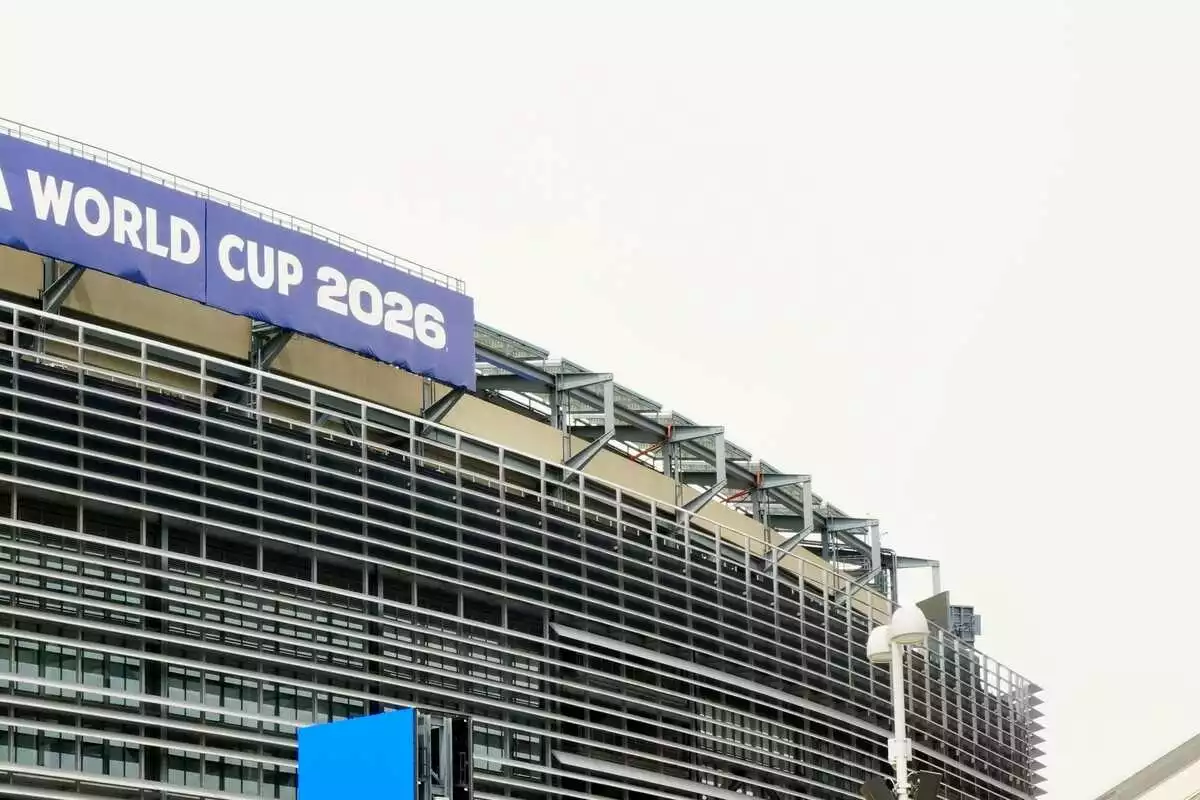
The 2026 World Cup is expected to attract unprecedented attention from sports bettors, with industry analysts projecting that it could become the largest betting event ever seen in the United States. Estimates suggest U.S. sportsbooks could generate between $2.8 billion and $4.3 billion in betting handle throughout the tournament, a significant increase compared to the roughly $900 million to $1 billion wagered during the 2022 World Cup.
While the World Cup has always been one of the most heavily bet sporting events globally, several factors are aligning to make the 2026 edition particularly notable. The tournament will be hosted across the United States, Canada, and Mexico, giving matches greater visibility throughout North America while taking place in time zones that are favorable for U.S. audiences.
One of the largest changes for the 2026 event is the expansion of the tournament from 32 teams to 48. As a result, the total number of matches will increase from 64 to 104, creating substantially more opportunities for bettors to engage with the competition.
The additional fixtures expand the number of betting markets available throughout the tournament. Sportsbooks will be able to offer odds across a wider range of matches, including group-stage contests involving nations that previously would not have qualified. More games also mean a longer event schedule, allowing betting activity to remain elevated for an extended period.
For operators, the expanded format provides more inventory for wagers ranging from traditional match outcomes to player props, futures bets, and in-play markets. The result is a tournament structure that naturally generates more betting volume than previous editions.
The U.S. betting landscape has changed considerably since the last World Cup. More than 35 states now offer some form of regulated sports wagering, giving operators access to a larger audience than they had four years ago.
The growth of mobile betting has also contributed to increased participation. Consumers can place wagers from approved jurisdictions without needing to visit a physical sportsbook, making major international events more accessible. As legalization spreads and betting platforms continue to mature, major tournaments such as the World Cup are positioned to benefit from a broader customer base.
Industry observers also expect leading operators such as DraftKings and FanDuel to account for a significant share of World Cup betting activity. Their established customer bases and extensive market offerings could help drive substantial handle during the month-long competition.
The betting boom surrounding the World Cup is not limited to the United States. Research from H2 Gambling Capital projects that regulated sportsbooks worldwide could generate approximately $60 billion in betting handle during the 2026 tournament, representing a substantial increase from 2022 levels.
Analysts attribute much of that growth to expanding online betting regulations, greater mobile adoption, and increased consumer engagement across multiple regions. North America and Latin America are expected to be particularly important drivers of wagering activity as the tournament unfolds.
Another emerging trend is the growth of prediction markets, which are creating additional avenues for users interested in forecasting sporting outcomes. While traditional sportsbooks are still expected to dominate wagering volume, these alternative platforms are becoming a more visible part of the broader betting ecosystem.
Taken together, the expanded tournament format, wider legal betting access, and growing global interest position the 2026 World Cup as a major event for the sports betting industry. Whether betting projections ultimately reach their highest estimates remains to be seen, but analysts broadly agree that the tournament is likely to set new benchmarks for wagering activity.