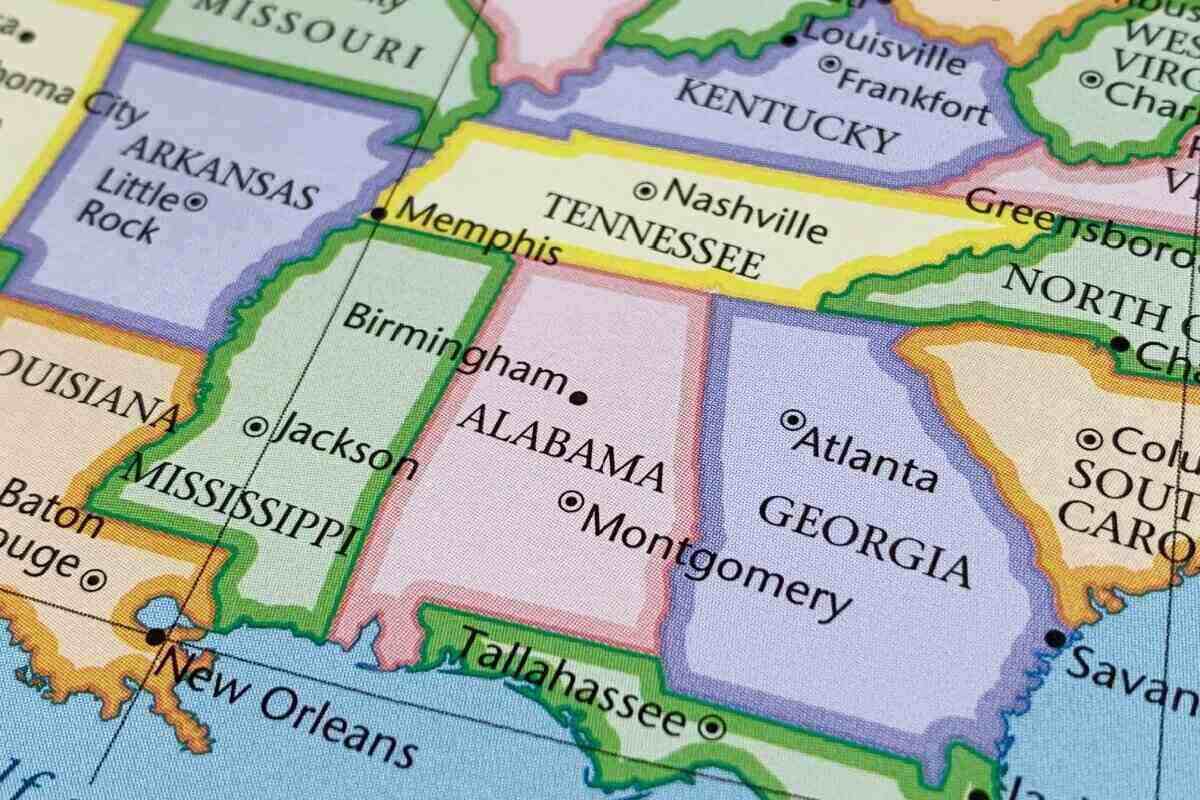
ACE Casino has reopened in four states: Tennessee, Alabama, Georgia, and Maryland, after exiting those markets earlier this year. The move underscores a shifting strategy for sweepstakes casinos as they navigate regulatory challenges in the U.S. market.
The move comes as sweepstakes casinos prepare for the loss of California, which will officially ban these platforms beginning January 1, 2026, under Assembly Bill 831. With California representing nearly 20% of all U.S. sweepstakes casino revenue, operators are scrambling to offset the impact.
ACE Casino’s return to four previously exited states mirrors a growing strategy among sweepstakes companies: re-entering smaller or legally ambiguous markets to reclaim lost ground. While these states can’t match California’s scale, they offer a vital lifeline as the industry adapts to one of its most significant market contractions to date.
ACE Casino is accessible in every U.S. state except for the following:
For players, ACE Casino’s return to states like Tennessee, Alabama, Georgia, and Maryland means more access to sweepstakes-style gaming at a time when options are tightening nationwide.
With California’s upcoming ban set to remove one of the largest player bases in the country, many users in smaller or less-regulated states may see expanded offerings as operators look to make up for lost revenue.
However, this expansion also comes with uncertainty. Some of the newly reopened states, especially Alabama and Maryland, have histories of lawsuits or regulatory warnings tied to sweepstakes casinos. For example, Stake.us faced a lawsuit in Alabama earlier this year.
That means players could face shifting availability or sudden closures if regulators take a harder stance. For now, the relaunch offers more ways to play, but it also highlights how fragile the legal environment remains for sweepstakes gaming in the U.S.
ACE Casino’s re-entry into multiple states could signal a new phase for the sweepstakes casino industry, one focused more on taking risks.
After years of retreating from uncertain markets, operators now appear more willing to test legal boundaries in order to maintain growth. ACE Casino isn’t the only one to re-enter a market, as we saw McLuck return to Georgia and Alabama recently.
This shift reflects a broader confidence among sweepstakes companies that class-action lawsuits and cease-and-desist orders may not pose the long-term threats they once feared.
At the same time, ACE’s expansion underscores how fragmented the U.S. regulatory landscape remains. With no federal oversight and varying state interpretations of sweepstakes gaming, companies are effectively charting their own course.
As operators push deeper into these gray zones, it sets up a potential clash with regulators in 2026 and beyond, when more states may follow California’s lead.