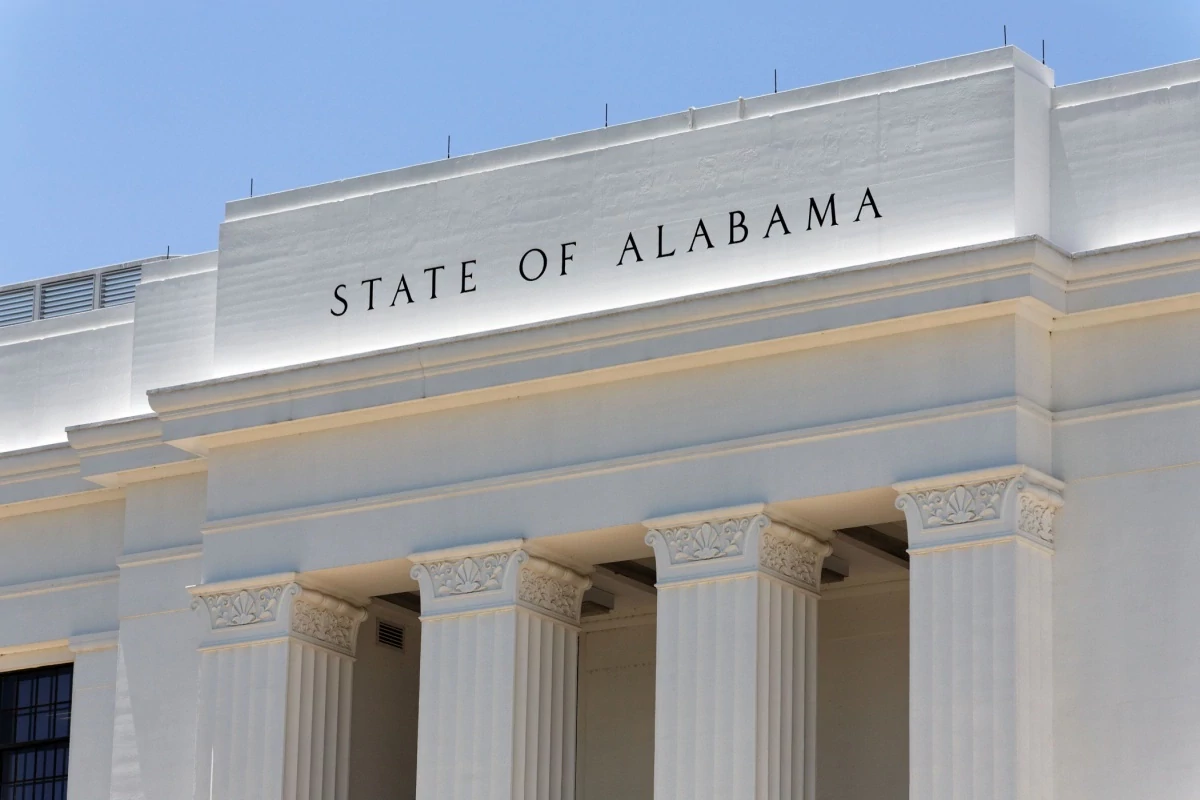
Alabama’s longstanding debate over gambling is resurfacing as lawmakers bring forward new proposals aimed at creating a state lottery and expanding regulated wagering options. Representatives Phillip Ensler and Kelvin Lawrence are among those leading the renewed effort, arguing that Alabama continues to lose revenue to neighboring states where residents routinely buy lottery tickets or engage in legal gambling.
Their separate proposals include the Clean Lottery Act, a constitutional amendment that would require voter approval to establish a state lottery, and House Bill 262, which would expand pari-mutuel betting in several counties.
Supporters emphasize that Alabama is one of the few remaining states without a lottery, and lawmakers argue that millions of dollars continue to leave the state each year as residents cross borders to play. Previous estimates suggest a potential annual revenue stream of hundreds of millions of dollars, though exact projections vary.
Ensler has indicated that lottery proceeds would be targeted toward public education, rural health care needs, and rebate checks for residents—areas lawmakers say have growing financial demands. But the final bill language has not yet been released, leaving some policy details unresolved.
Lawrence’s HB 262 takes a narrower approach by focusing solely on pari-mutuel wagering. The bill would authorize betting at select locations in Jefferson, Greene, Macon, Mobile, Houston and Lowndes counties and allow historical racing machines based on past race results. Proponents say the expansion is designed to create a regulated and taxable framework rather than usher in broader casino development.
Historical horse racing and pari‑mutuel wagering already have limited roots in some of these counties, but Lawrence argues regulation is needed to address gaps and align local operations under consistent oversight.
Any gambling expansion faces a major structural hurdle: Alabama’s constitution prohibits most forms of gambling. Creating a lottery requires a constitutional amendment, which must first secure a three‑fifths majority in both chambers before reaching voters statewide. Similar efforts have failed in past sessions, often derailed by disagreements over revenue distribution or whether a proposal should include casino or sports‑betting provisions.
Other bills filed this session, including separate proposals that would let voters decide on broader gambling issues—such as casinos and sports betting—reflect the recurring debate and persistent political division. Some lawmakers have noted that gambling proposals frequently stall when policy specifics come under scrutiny.
Polling in recent years shows more than 70% of Alabamians support a lottery-only proposal, giving lawmakers a potential foundation for voter approval if a measure reaches the ballot. Still, legislative leaders remain cautious, with some acknowledging that the necessary votes may not materialize during the current session.
Despite the renewed momentum, Alabama’s path toward a legalized lottery and expanded gambling remains uncertain. Lawmakers continue to weigh economic pressures, competing policy priorities, and longstanding ideological divides—factors that have shaped the state’s gambling debate for decades and are likely to continue influencing the discussions ahead.