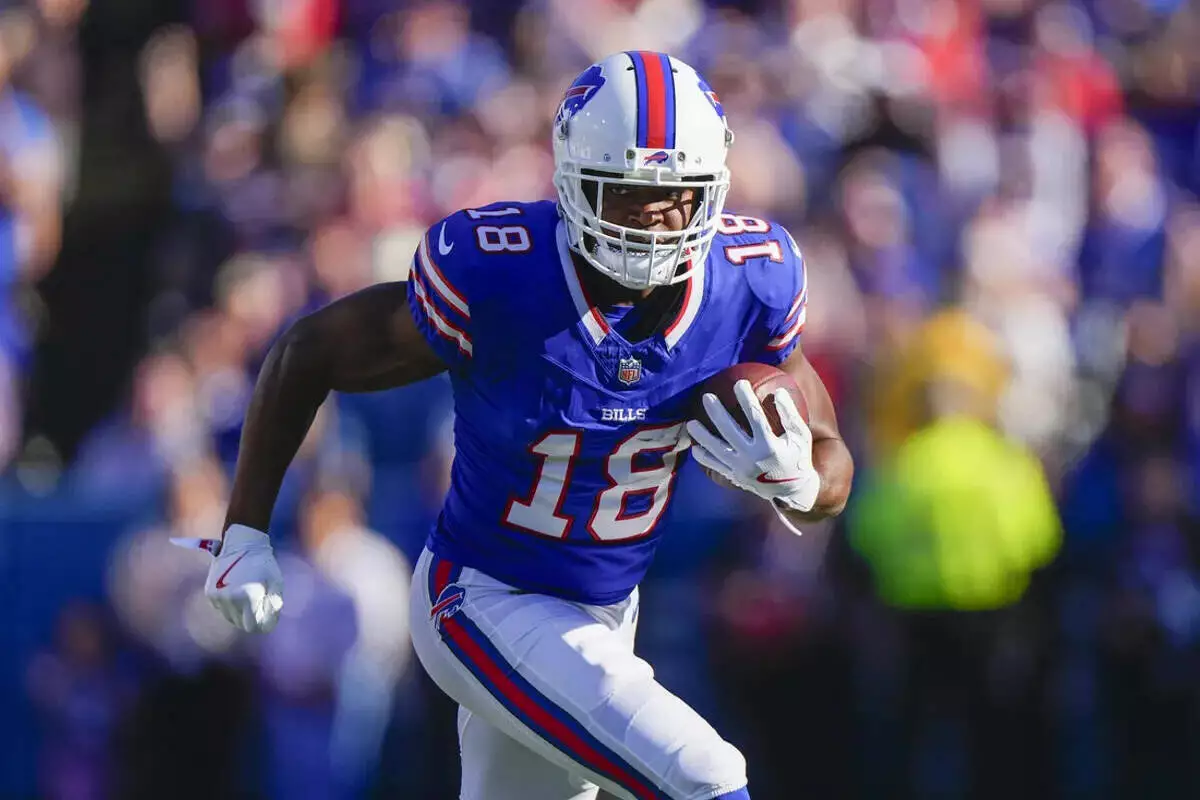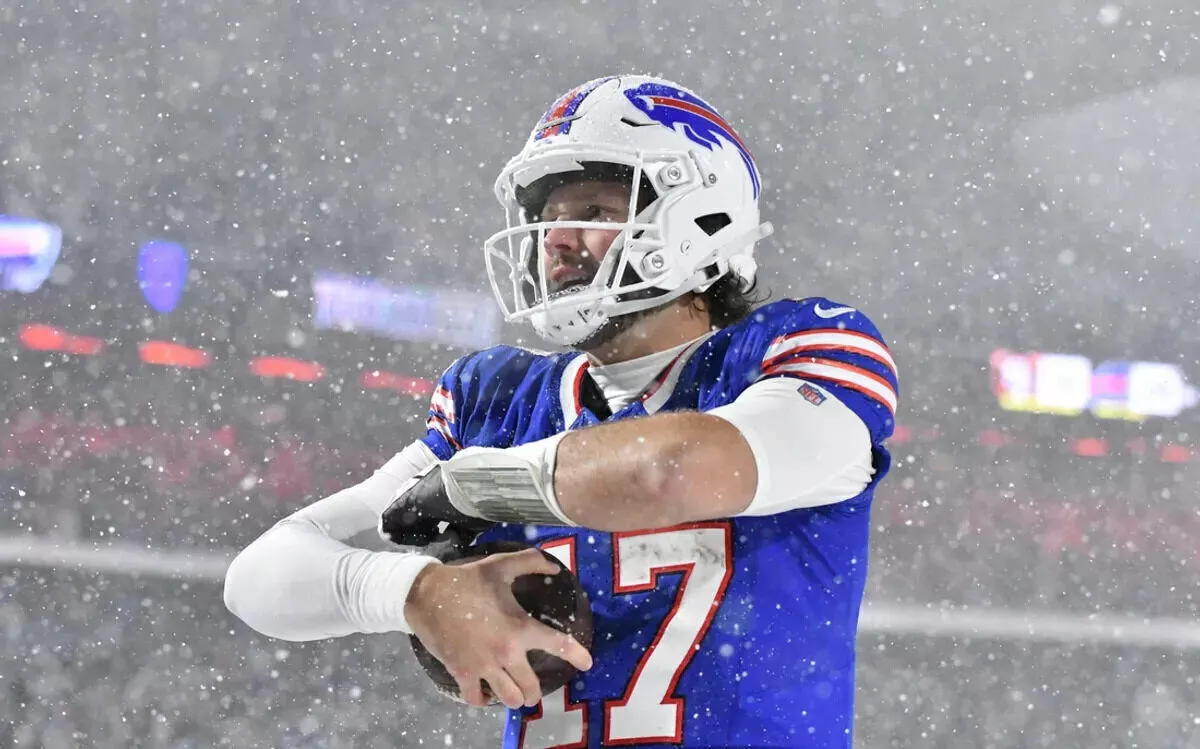
The Buffalo Bills and Seneca Resorts & Casinos have announced a multi-year partnership extension that will make the gaming operator a Founding Partner of the new Highmark Stadium. The agreement also continues Seneca’s role as the Bills’ Official Casino as the franchise prepares to move into its new venue. However, there won’t be a retail sportsbook on-site at the new stadium, which underscores how there’s been a significant decrease in demand in in-person wagering.
The expanded agreement gives Seneca Resorts & Casinos a significant role at the new Highmark Stadium beyond continuing as the Bills’ Official Casino. As a Founding Partner, the company will receive prominent branding throughout the venue and serve as the naming rights partner for the Seneca Resorts & Casinos Field Club.
Located at field level near the Bills’ sideline, the 16,500-square-foot premium hospitality space will feature views into the player tunnel, access behind the team bench, complimentary food and non-alcoholic beverages, and other premium amenities designed to enhance the fan experience.
Both organizations described the extension as a continuation of a long-standing partnership centered on Western New York. Seneca Resorts & Casinos President and CEO Kevin Nephew said the new stadium represents a milestone for both organizations, while Bills Chief Commercial Officer Jason Hartlund said the partnership will help create memorable experiences for fans for years to come.
As part of the agreement, Seneca Resorts & Casinos will also become the presenting sponsor of the Bills Legends Community, including the “Legend of the Game” feature during home games and appearances by former Bills players at Seneca properties throughout the partnership.
While Seneca’s expanded presence at the new Highmark Stadium is notable, the partnership does not include an on-site sportsbook. That reflects a broader trend across the sports betting industry, where retail sportsbooks have become less of a priority as bettors increasingly place wagers through mobile apps.
Today, online sportsbooks account for the overwhelming majority of legal sports betting activity in most states. With betting available from virtually anywhere, many fans have little reason to visit a physical sportsbook, making brick-and-mortar locations more difficult and expensive to justify.
One of the clearest examples came earlier this year when DraftKings announced it would close its retail sportsbook at Chicago’s Wrigley Field after less than two years of operation. The company cited Illinois’ high tax burden as a key factor, but the closure also underscored the industry’s broader shift toward online betting, where operators can reach far more customers at lower operating costs. The Wrigley venue will remain open as a sports bar but will no longer accept in-person wagers.
As sportsbooks continue to prioritize digital platforms, stadium partnerships are increasingly focused on branding, hospitality, and fan experiences rather than building dedicated retail betting facilities.