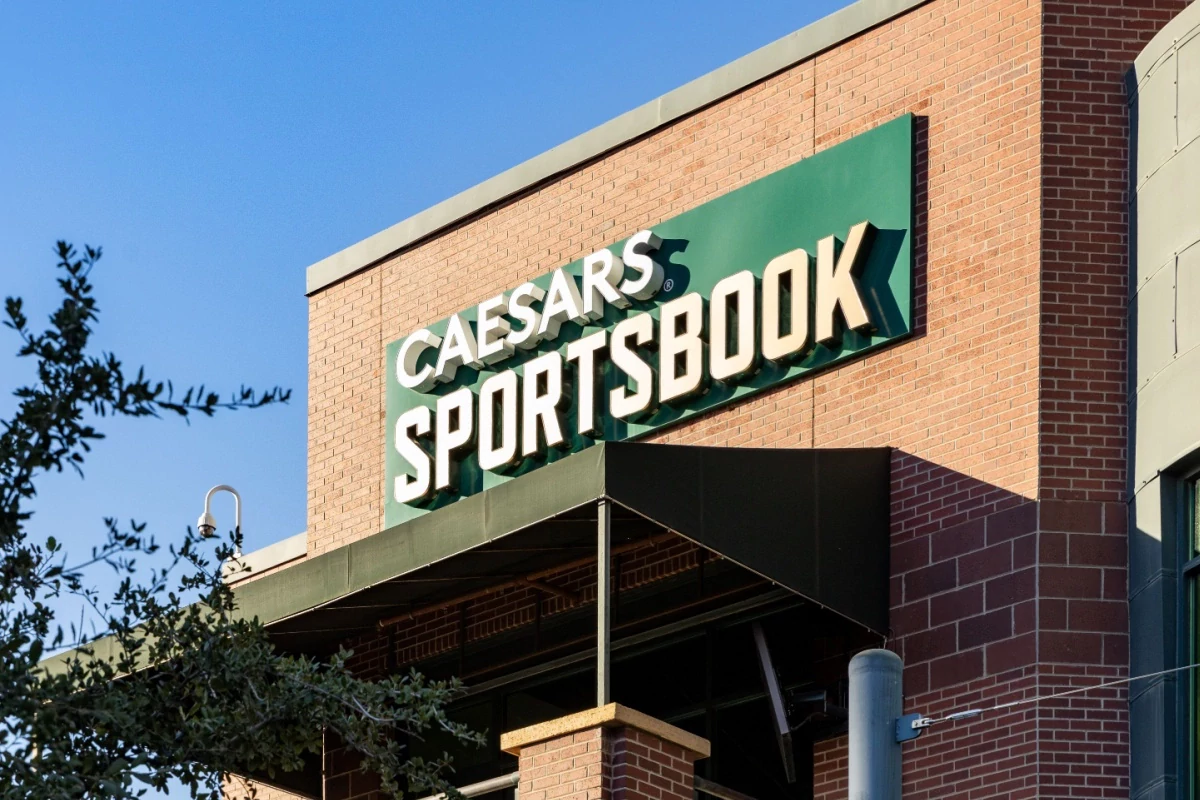
Caesars Entertainment has expanded its relationship with three Wabanaki Nations in Maine as the parties prepare for a potential online casino launch in the state. The agreement includes the Houlton Band of Maliseet Indians, the Mi’kmaq Nation and the Penobscot Nation. It builds on an existing partnership that has supported Caesars Sportsbook operations in Maine since 2023.
The new long-term arrangement is designed to support online casino gaming if regulatory approvals are granted. Caesars said the expansion positions the company and its tribal partners for a possible launch during 2026, although the timing remains dependent on the completion of the state’s regulatory process.
If approved, Caesars plans to introduce three online casino brands in Maine: Caesars Palace Online Casino, Caesars Sportsbook & Casino and Horseshoe Online Casino. According to the company, each platform would be aimed at different customer preferences while operating under the same broader digital ecosystem.
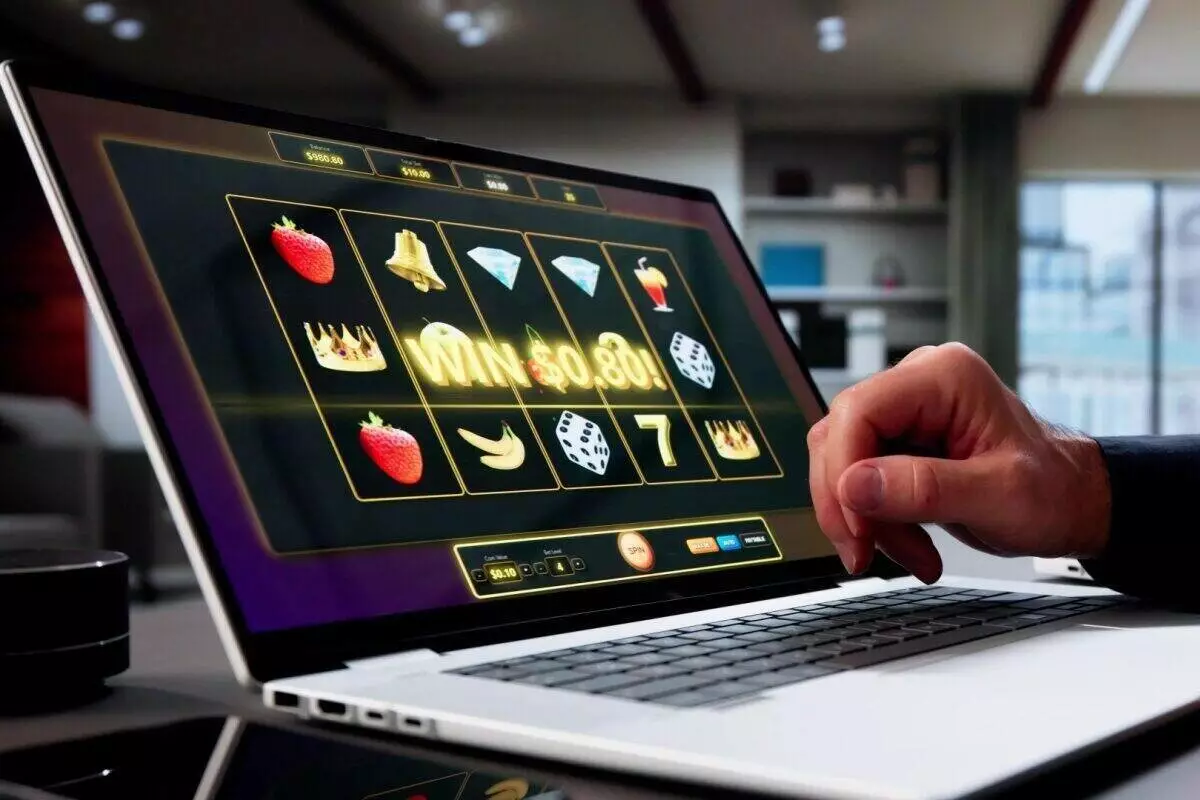
The proposed offering would include online slot games, table games and live dealer products. Caesars also intends to connect the casino products with its existing sportsbook platform through a single account and wallet system. The company said the integration would be powered by its Universal Digital Wallet technology, allowing users to move across eligible products without maintaining separate accounts.
The announcement marks the latest stage in a partnership that began with the rollout of online sports betting in Maine. Caesars described the sportsbook relationship as a foundation for future digital gaming opportunities and said the companies intend to continue working together if online casino gaming is authorized.
Representatives from the Penobscot Nation, Mi’kmaq Nation and Houlton Band of Maliseet Indians each stated that the expansion could create new economic opportunities and additional funding sources for tribal governments. Tribal leaders highlighted potential support for community programs, infrastructure investments and essential services should online casino revenue become available.
The agreement also includes plans for workforce development initiatives. Caesars said it intends to employ, train and develop tribal members while providing financial support for programs within participating communities.
Although the partnership is now in place, online casino gaming has not yet launched in Maine. Any rollout will require regulatory approval before operators can begin offering real-money casino products to players in the state.
As a result, the announcement should be viewed as a step toward a potential launch rather than confirmation that online casino gaming is immediately available. The regulatory timeline, licensing requirements and final implementation details will determine when — and if — the proposed platforms go live.
Caesars also emphasized responsible gaming measures in its announcement. The company noted that its digital products are restricted to users aged 21 and older and referenced its broader responsible gaming programs and industry accreditations. Any future Maine online casino operation would be expected to operate under the state’s regulatory standards and consumer protection requirements.
Should approvals be granted, Maine would become the latest state where Caesars offers online casino products through tribal partnerships. For now, the expanded agreement signals the intent of both Caesars and the participating Wabanaki Nations to pursue entry into the state’s prospective iGaming market while awaiting the necessary regulatory decisions.