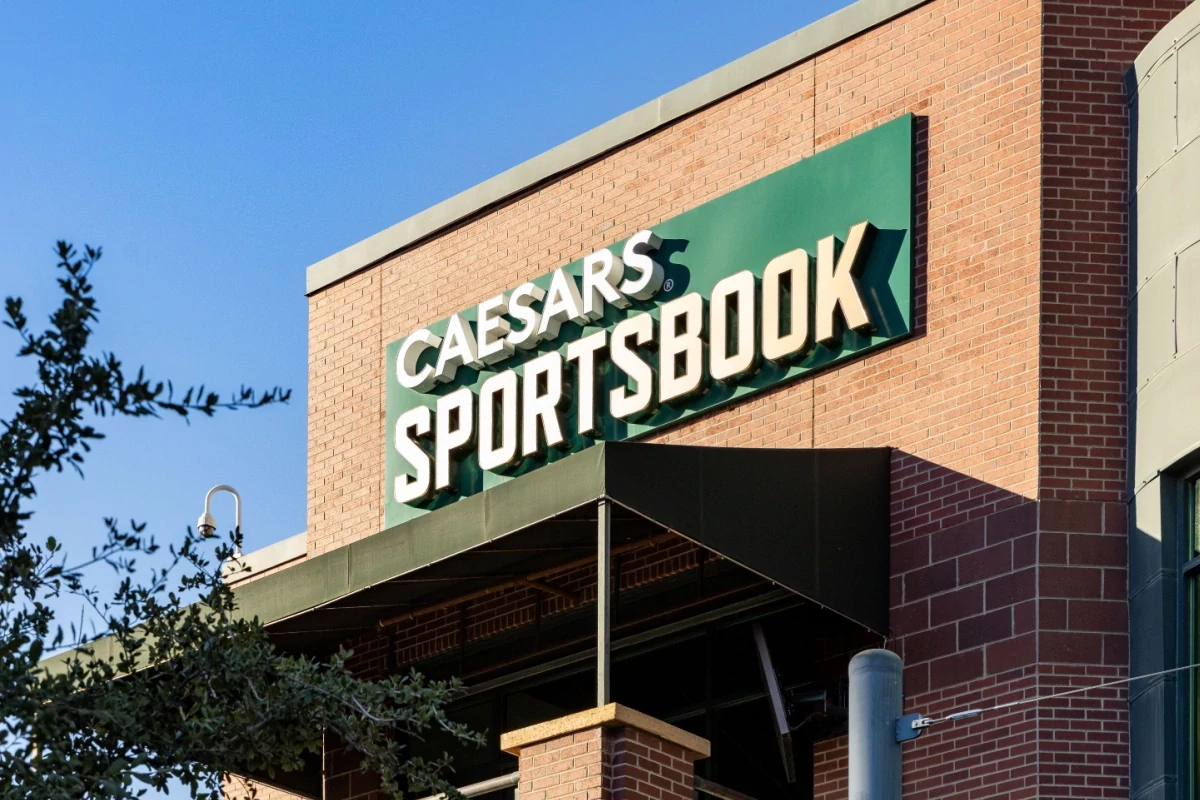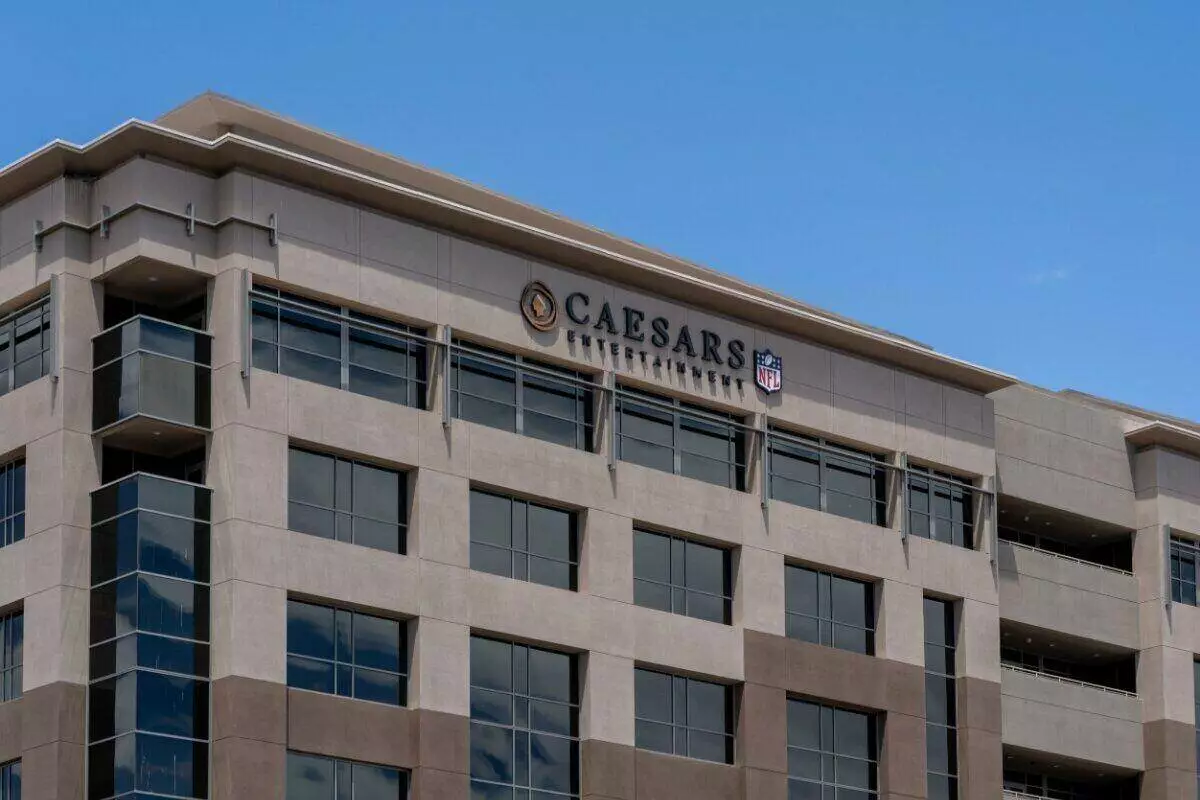
Caesars Entertainment is once again at the center of major acquisition speculation after reports indicated the casino operator is reviewing multiple takeover proposals. According to recent coverage from the Financial Times and others, interest includes a potential bid from Tilman Fertitta’s Fertitta Entertainment, as well as a management‑led buyout scenario. Shares of Caesars surged between 19% and 20% following the reports, marking one of the company’s most dramatic single‑day increases in recent years.
The surge comes despite Caesars’ longer-term struggles, including a stock price that remains significantly below its post-pandemic highs. Analysts estimate the company’s enterprise value to be around $16 billion, though its heavy debt load—reported at more than $20 billion—could complicate any takeover attempt.
Tilman Fertitta, owner of the Houston Rockets and the Golden Nugget casino chain, has emerged as a high-profile potential buyer. Fertitta previously expanded his casino portfolio through acquisitions in Las Vegas, Atlantic City, Biloxi, and Lake Charles. However, his possible involvement introduces notable regulatory wrinkles.
For instance, a Fertitta-owned sportsbook would likely need to ban wagers involving the Rockets—a restriction that historically created complications for his prior online gaming interests before he sold Golden Nugget’s online assets to DraftKings.
Additionally, Fertitta currently serves as the U.S. ambassador to Italy and San Marino, which legally prevents him from participating in direct negotiations. Those responsibilities fall to Fertitta Entertainment’s COO, Nicki Keenan, adding another layer of complexity to any prospective transaction.
Reports of acquisition talks did not affect Caesars alone. Stocks of other major operators—including MGM Resorts, Wynn Resorts, and Las Vegas Sands—all experienced market bumps as investors reacted to the news. MGM, for example, rose nearly 6% during the same trading window, though some of those gains receded during early Friday trading. The casino sector as a whole has faced sustained pressure due to declining tourism in Southern Nevada, growing competition, and broader economic uncertainty.
Despite the positive trading day fueled by speculation, Caesars’ stock remains down over the past year, reflecting lingering concerns about the company’s long-term trajectory. Past asset sales—including the 2024 divestiture of the World Series of Poker for $500 million—underscore how the company has already been repositioning itself amid shifting market conditions.
Even with more than 50 properties across North America, including marquee brands such as Caesars Palace, Harrah’s, and El Dorado, the company’s debt obligations pose a significant challenge for any acquirer. Analysts note that a successful purchase would likely require substantial financing support from major Wall Street banks, and any deal of this size ranks among the largest contemplated in the gaming industry in recent years.
Caesars’ digital performance also lags behind competitors like DraftKings and FanDuel, another factor potential buyers would need to consider. Although its sports wagering platform saw improved metrics in the fourth quarter, the operator is still viewed as trailing industry leaders in online gaming capabilities.