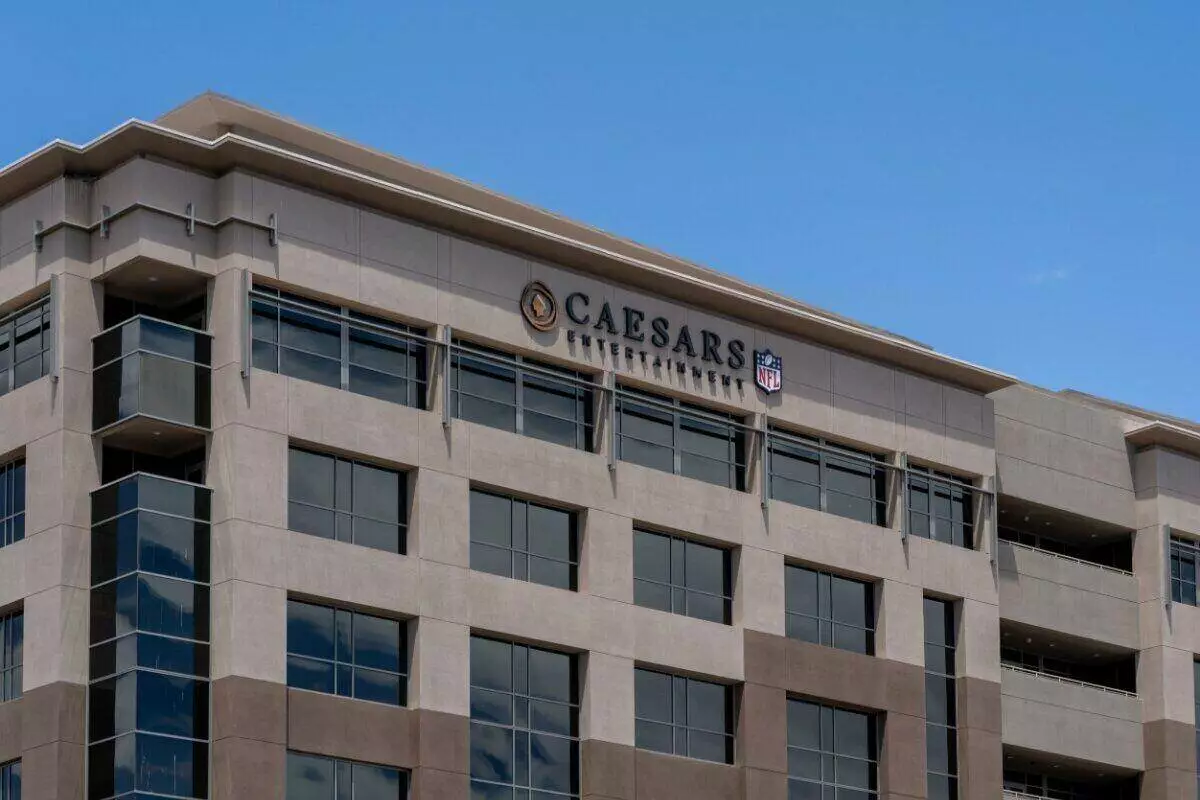
Caesars Entertainment has expanded its partnerships with three of Maine’s federally recognized Wabanaki Nations as the company positions itself for the state’s upcoming online casino market. The new agreements cover the Houlton Band of Maliseet Indians, the Mi’kmaq Nation, and the Penobscot Nation, extending relationships that were originally formed for online sports betting operations.
The development comes as Maine prepares for a regulated iGaming market following the approval of legislation that granted the state’s tribal nations exclusive rights to offer online casino gaming through commercial partnerships. Caesars already operates online sports betting in Maine through its tribal agreements and is now seeking to expand its digital footprint in the state.
Under the expanded arrangement, Caesars intends to introduce three online casino products in Maine: Caesars Palace Online Casino, Caesars Sportsbook & Casino, and Horseshoe Online Casino. The launch remains subject to regulatory approvals and the state’s eventual rollout of its online casino framework.
The company stated that each platform is designed to serve different customer preferences while operating within a shared digital ecosystem. The planned offering would give Maine players access to online casino games, including slots, table games, and other interactive gaming products once the market officially opens.
Maine’s approach to online gambling places tribal nations at the center of the industry’s expansion. Under state law, the Wabanaki Nations hold the ability to partner with commercial operators for online casino gaming, similar to the structure already used for online sports betting.
By extending its agreements with three tribes, Caesars has secured relationships that could provide access to three of the four available tribal-linked opportunities in the state’s future iGaming market. Meanwhile, the Passamaquoddy Tribe, which currently partners with DraftKings for sports betting, has yet to announce a corresponding online casino agreement.
The arrangement highlights the importance of tribal partnerships for operators seeking entry into Maine. Unlike some other regulated states, commercial gaming companies cannot independently offer online casino products and must instead work through agreements with eligible tribal entities.
While the agreements mark an important step for Caesars, they do not guarantee an immediate launch. The company must still receive the necessary approvals before offering its online casino platforms to Maine residents. State regulators have not yet announced an official launch date for the market.
Industry observers view the agreements as part of the early positioning taking place among operators ahead of Maine’s iGaming debut. Caesars’ decision to build upon its existing sportsbook relationships may provide continuity as the company expands into another gaming vertical, but the ultimate size and performance of the market will depend on future regulatory decisions and consumer adoption.
For now, the expanded tribal agreements give Caesars a clearer path toward participating in Maine’s online casino sector once the state completes the remaining steps needed to bring regulated iGaming to market.