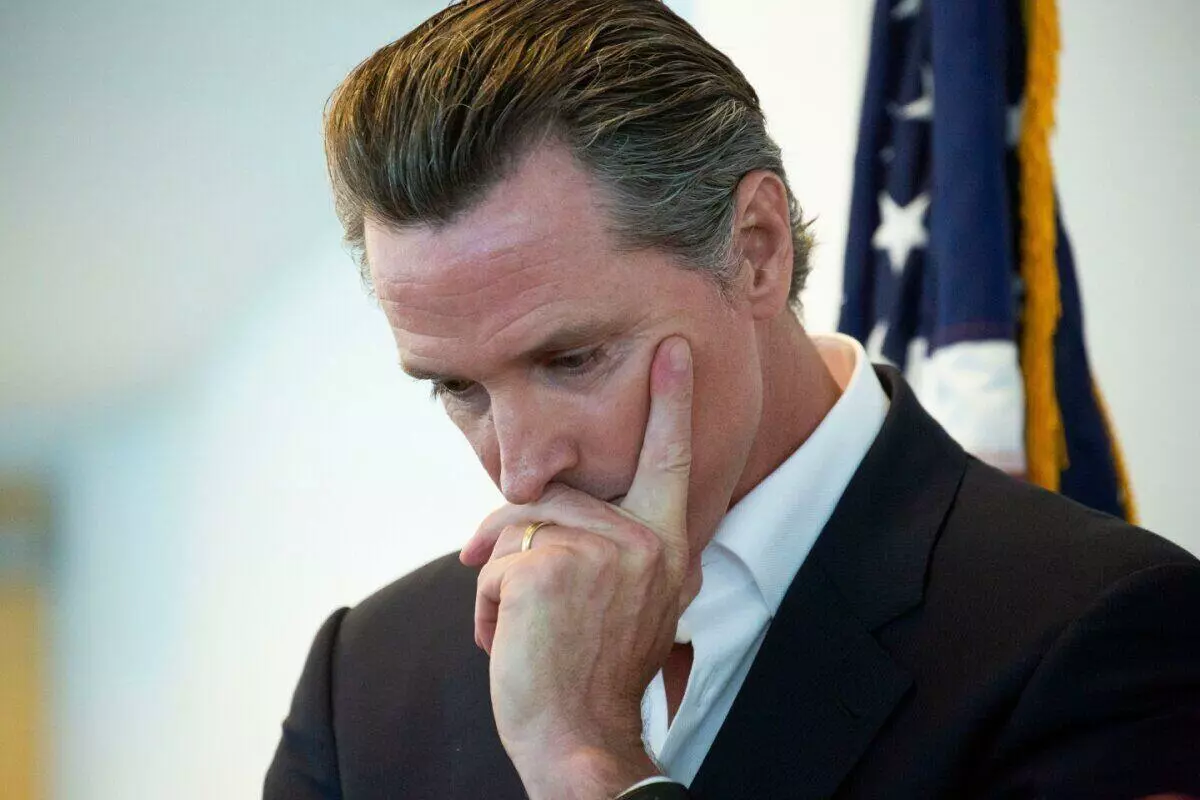
California lawmakers have voted to ban sweepstakes casinos that use virtual coins to mimic real gambling, and Assembly Bill 831 (AB 831) is now on Governor Gavin Newsom’s desk. Supporters say the move protects tribal gaming rights and stops unlicensed gambling, while critics argue it could hurt innovation and take away a popular form of online entertainment in one of the country’s biggest markets.
Gov. Newsom now has 12 days (excluding Sundays) to either sign AB 831 into law, veto it, or allow it to take effect without his signature.
The bill includes criminal penalties, with fines up to $25,000 and possible jail time for those who continue to operate sweepstakes casinos illegally. The legislative move also follows a recent California lawsuit against Stake.us and several major vendors, underscoring the state’s growing campaign to shut down the model from multiple angles.
If signed, the law will be active as of January 1, 2026.
A veto could technically be overridden by a two-thirds vote in both chambers, though that is rare in California. With that said, a veto wouldn’t be unprecedented, as Gov. Jeff Landry vetoed an anti-sweeps bill in Louisiana earlier this year.
With California accounting for about 17% of the U.S. sweepstakes casino market, the measure is expected to force major changes in the industry.
The Social Gaming Leadership Alliance (SGLA) came out strongly against AB 831 after it passed the California Assembly. Executive Director Jeff Duncan called the vote “incredibly disappointing” and warned it could widen economic gaps between tribes, slow digital innovation, and cost the state about $1 billion.
According to SGLA, the bill “jeopardizes California jobs,” shuts out opportunities for economically disadvantaged tribes, and favors wealthy gaming tribes at the expense of smaller or remote tribal nations.
The SGLA argues that AB 831 ignores broad voter support for regulation and taxation of social games rather than an outright ban, and that digital game-sweepstakes platforms represent a viable revenue source for tribal communities to fund essential services such as clean water, housing, and healthcare.
Duncan urged Governor Gavin Newsom to veto the bill and instead support online social games, saying they could help struggling tribal nations while keeping California at the forefront of gaming technology.
Several smaller and more remote tribes have spoken out against AB 831, warning that it could hurt their economic future, including the following:
These tribes criticized the gut-and-amend process of AB 831, arguing that it was rushed. They went on to state that AB 831 would take away revenue opportunities for tribes without the resources to run large casinos.
Each of these tribes protested AB 831 at the state Capitol earlier this month.
On the other hand, the Yuhaaviatam of San Manuel Nation has been one of the strongest supporters of the bill.
As a co-sponsor, San Manuel says AB 831 is needed to protect the exclusivity of tribal gaming compacts and to prevent unregulated sweepstakes casinos from undermining established tribal gaming operations that fund essential services for their members.
As a tribe that profits from land-based casinos, it’s no surprise to see San Manuel favoring AB 831.