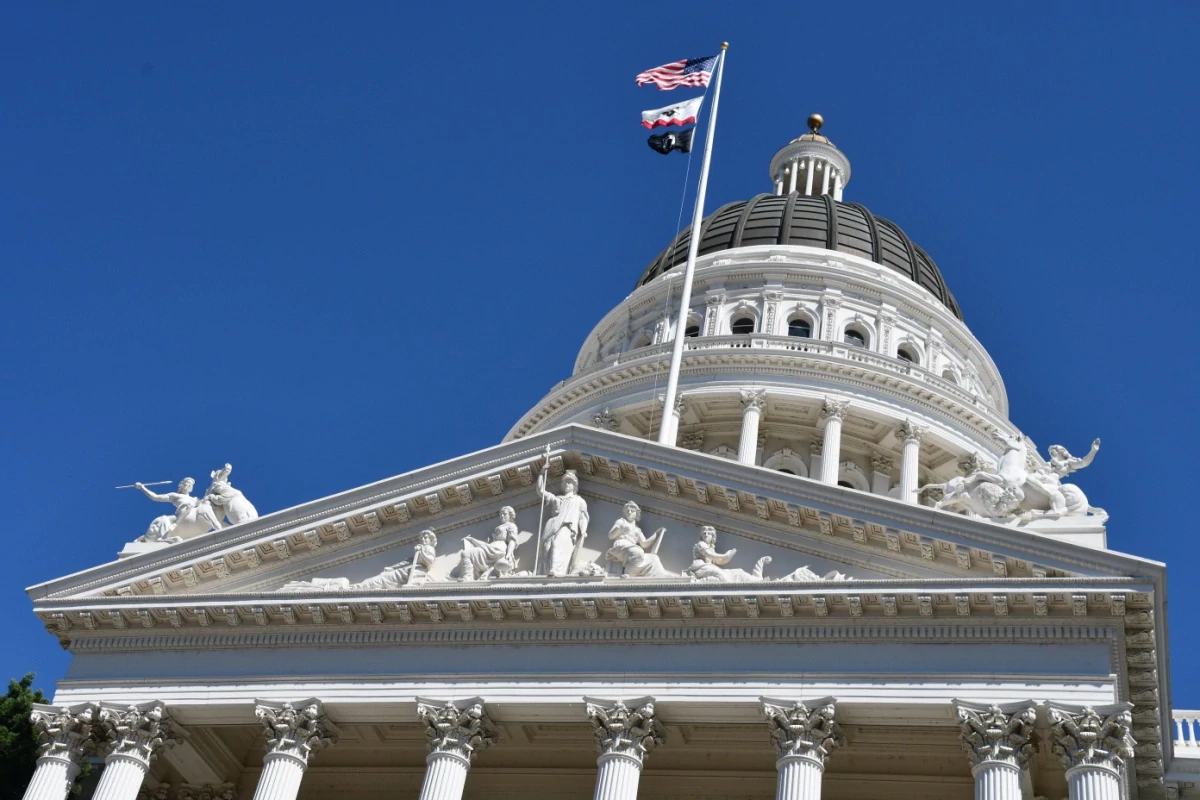
California sports betting is likely to reach the statewide ballot in 2028, according to comments from tribal leaders at the National Council of Legislators from Gaming States (NCLGS) Summer Meeting. During the discussion, California Nations Indian Gaming Association (CNIGA) Chairman James Siva said California’s federally recognized tribes remain focused on building consensus around a tribal-led framework for California sports betting. The comments reinforce that tribes are taking a long-term approach to legalization, prioritizing a unified proposal after competing sports betting initiatives failed at the ballot box in 2022.
California’s tribal leaders remain focused on placing a sports betting measure before voters in the November 2028 election, a timeline they have consistently identified as the most realistic path toward legalization. The proposal would establish a tribal-led online sports betting market, building on the exclusive gaming rights that federally recognized tribes already hold under the Indian Gaming Regulatory Act (IGRA) within their tribal-state compacts.
Any expansion to include online sports betting would require approval from California voters, followed by negotiations and ratification of updated tribal gaming compacts. The cautious approach reflects lessons from 2022, when competing ballot initiatives backed by tribal groups and commercial sportsbook operators were both overwhelmingly rejected by voters.
While a regulated market remains at least two years away, the continued focus on 2028 suggests California’s tribal leaders are committed to eventually bringing sports betting to the state under a tribal-led model. Rather than rushing another ballot initiative, tribes appear to be prioritizing a unified approach that has a greater chance of succeeding with voters.
The extended timeline also means California will likely continue missing out on tax revenue generated by legal sports betting in other states. At the same time, some California residents are participating in sports prediction markets and offshore betting sites, creating additional competition while the state has no regulated online sportsbook market in place.
If a tribal-led California sports betting measure ultimately reaches the ballot and gains voter approval in 2028, it could allow the state to capture new tax revenue and establish consumer protections for bettors.
Beyond preparing for a potential 2028 ballot measure, California’s tribal leaders are also navigating a rapidly changing gambling landscape. During the NCLGS discussion, prediction markets emerged as a growing concern, with some tribal representatives arguing that sports event contracts are operating in a space traditionally reserved for regulated sports wagering.
The issue has taken on greater importance as platforms offering event-based contracts continue expanding across the United States. Tribal leaders have expressed concerns that these products could attract California users before a regulated tribal sportsbook market exists, potentially diverting consumer activity and revenue away from a future state-authorized framework.
How regulators ultimately classify prediction markets could influence California’s sports betting discussions in the years leading up to 2028, particularly as tribes continue advocating for a model that preserves their longstanding gaming exclusivity.