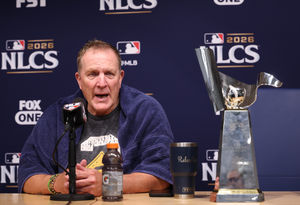
A new industry audit has highlighted a substantial gap between spending on celebrity marketing and responsible gambling initiatives across the U.S. gambling sector. According to research conducted by communications firm 5W, gambling operators spent an estimated $520 million on celebrity and athlete partnerships during 2025, compared with approximately $60 million allocated to responsible gambling programs and communications.
That means spending on celebrity endorsements was around 8.7 times higher than investment in responsible gambling efforts.
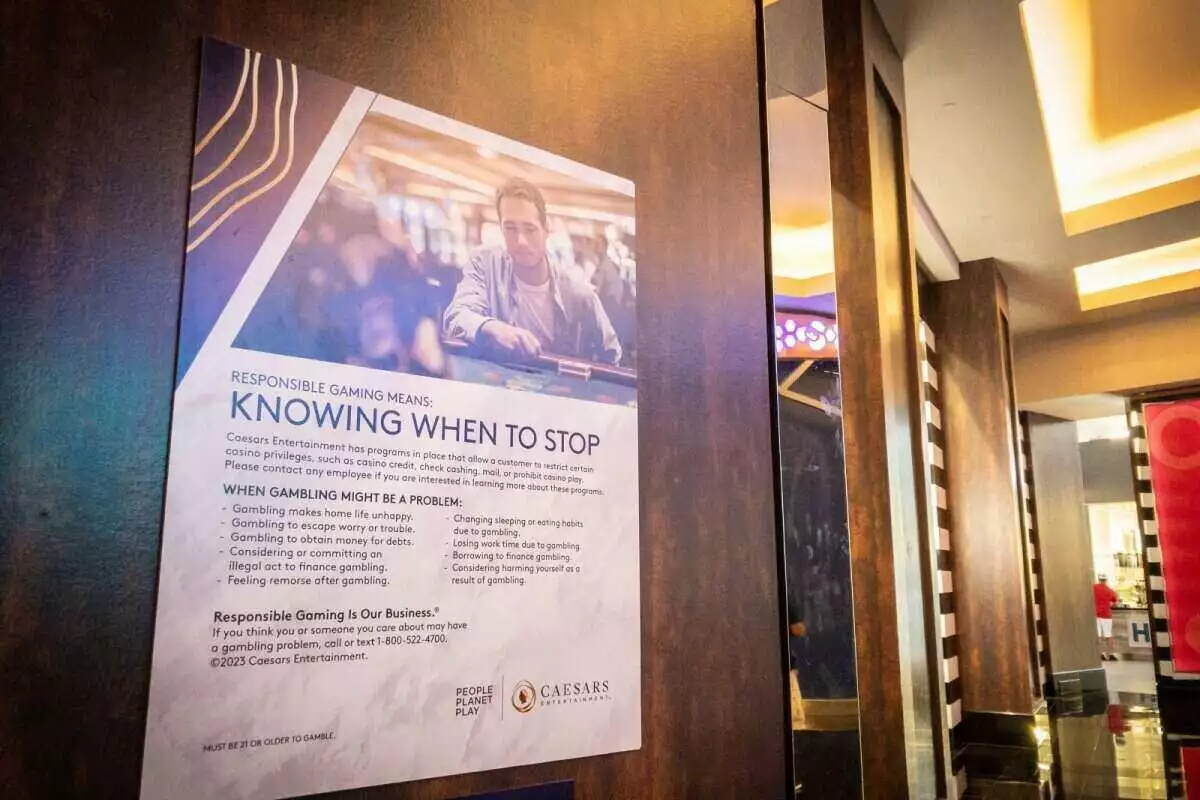
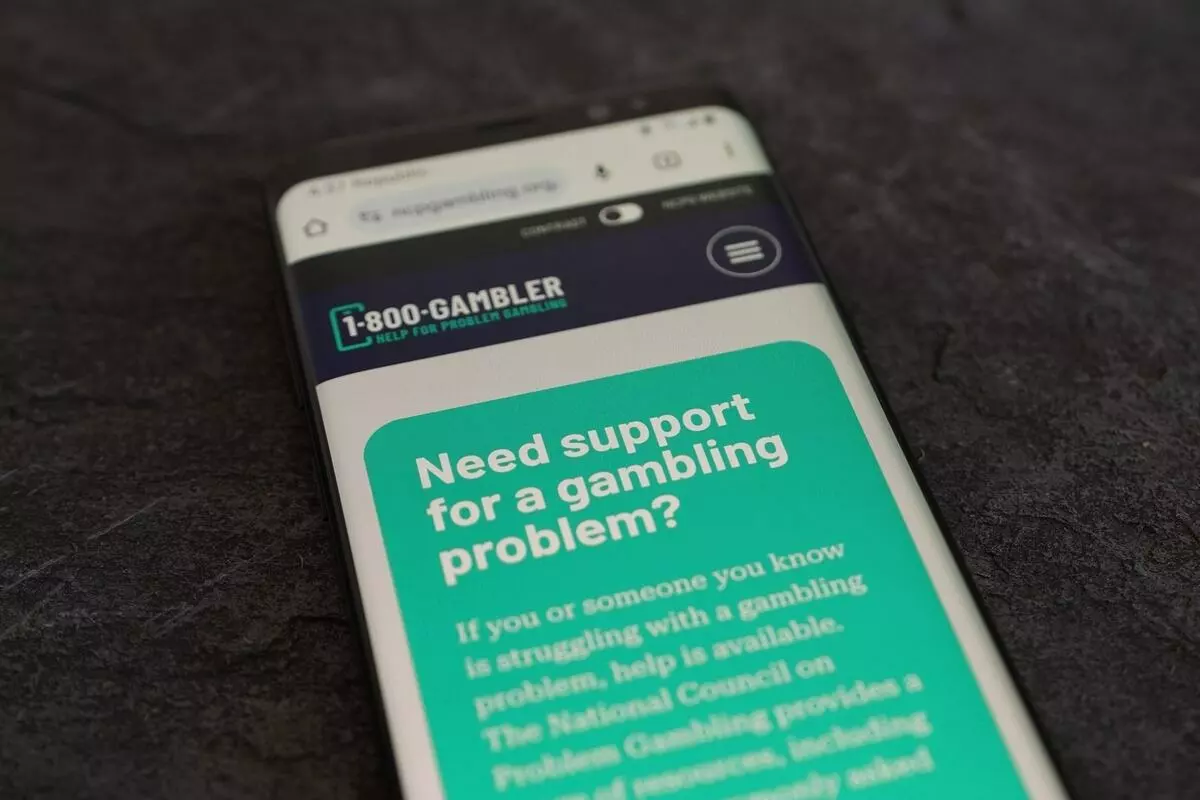
The report arrives as responsible gambling continues to occupy a prominent place in regulatory discussions and public debate. While operators frequently promote tools designed to help players gamble safely, the audit suggests that financial commitments to those initiatives remain a relatively small part of overall marketing activity.
The research estimated that gambling companies spent roughly $3.9 billion on advertising and marketing in 2025. Responsible gambling initiatives represented just 1.5% of that total, making them a minor component of broader promotional strategies.
Television remained the industry’s largest advertising channel, accounting for approximately $1.42 billion in expenditure. Digital performance marketing followed at around $980 million, while celebrity and athlete partnerships were among the largest individual spending categories. By comparison, earned media and public relations spending amounted to an estimated $90 million.
The findings suggest that operators continue to prioritize customer acquisition, brand recognition and competitive positioning in increasingly crowded markets. Celebrity partnerships remain a common tactic, particularly among major sports betting brands seeking visibility through famous athletes, entertainers and media personalities.
Beyond spending levels, the audit examined how operators communicate their responsible gambling efforts. Researchers reviewed 30 companies across sports betting, online casino and land-based casino sectors, analyzing more than 47,000 media reports, regulatory documents, ESG disclosures and AI-generated search results.
One notable finding involved disclosure practices. Of the 12 publicly traded operators examined, only four reportedly disclosed responsible gambling investment as a percentage of marketing expenditure. Most companies either reported spending figures without additional context or did not separate responsible gambling investment from broader corporate reporting.
The report also identified varying levels of engagement with regulators. In many regulated markets, state gaming officials reportedly receive limited proactive communication regarding responsible gambling initiatives. This has the potential to affect how regulators, policymakers and other stakeholders view operators.
Researchers created a Responsible Gambling Communications Index to assess operators across several categories, including investment transparency, media presence, executive visibility, regulator engagement and AI citation frequency.
BetMGM ranked highly within the sports betting category, ahead of several major competitors. The company also performed strongly in other segments evaluated by the report. DraftKings and FanDuel were also among the better-performing operators in terms of communications visibility surrounding responsible gambling.
The rankings were designed to measure communication practices rather than the effectiveness of responsible gambling programs themselves. As a result, they focused on how visible and accessible information about player protection initiatives is across public channels.
An additional element of the study explored how major AI platforms discuss gambling operators when responding to questions about trustworthiness and player protection. Researchers found that operators with larger volumes of publicly available responsible gambling content appeared more frequently in AI-generated responses.
The report argues that published responsible gambling information is becoming increasingly important as consumers, investors and regulators rely on AI-assisted search tools. Companies with more extensive content libraries may therefore have greater visibility in discussions surrounding player safety.
At the same time, the value of celebrity endorsements has recently been questioned. Previous consumer research has indicated that many adults say celebrity partnerships do not significantly influence their opinions of gambling brands. While celebrity campaigns can still increase awareness and recognition, their ability to drive meaningful engagement may not be as strong as in previous years.
Taken together, the findings illustrate the contrast between the gambling industry’s spending priorities and the growing scrutiny placed on responsible gambling. As regulation evolves and transparency expectations increase, the balance between promotional marketing and responsible gambling investment is likely to remain a closely watched issue.