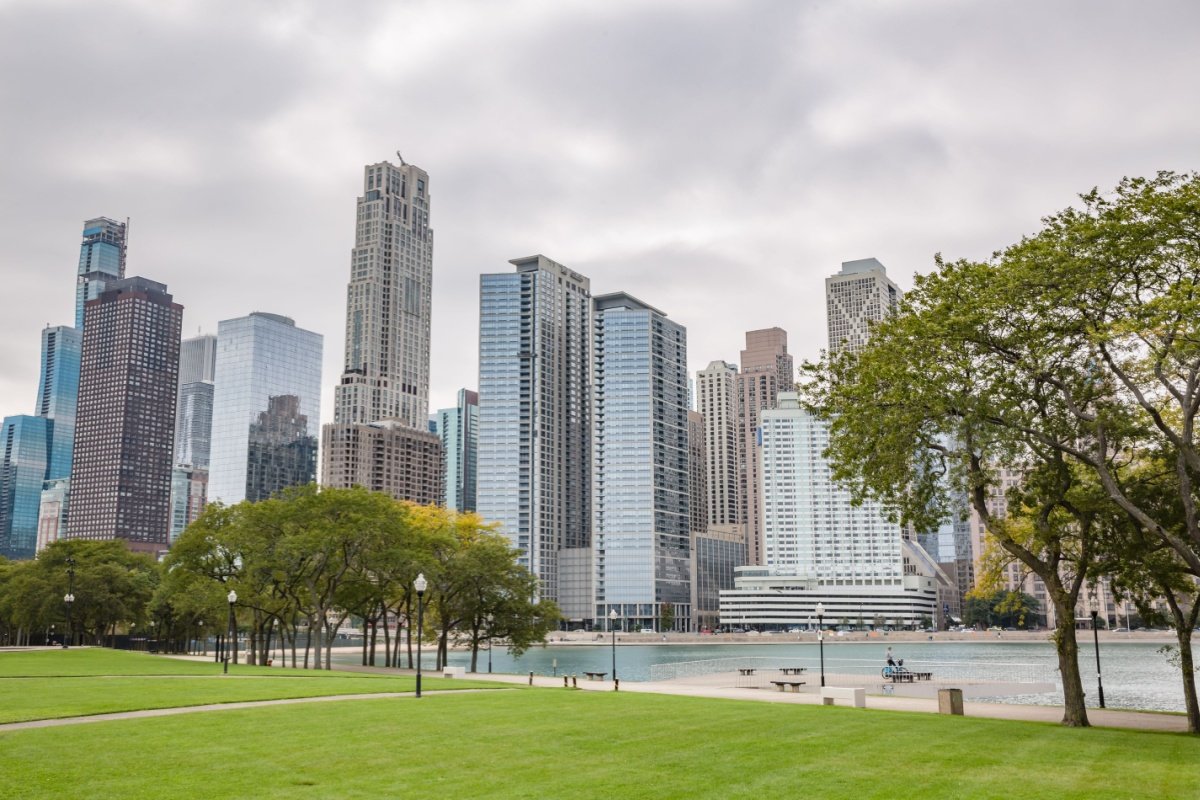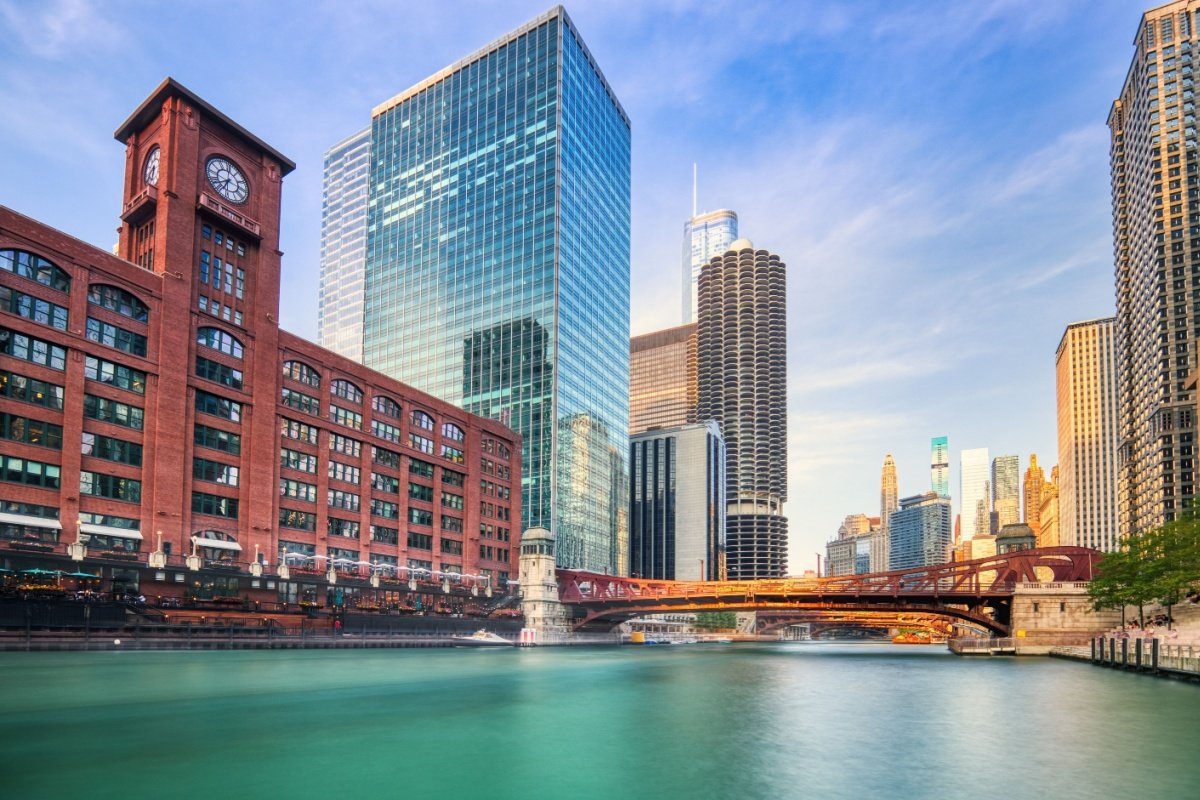
Chicago city officials delivered municipal sports betting licenses to major operators—bet365, BetMGM, DraftKings, FanDuel, and Fanatics—just before the new year took effect. This move removed the immediate threat of a shutdown that operators had warned would occur at midnight on January 1.
With licenses in hand, the Sports Betting Alliance (SBA) withdrew its motion for a temporary restraining order (TRO), acknowledging that the city acted swiftly to preserve the integrity of the legal betting market.
Although operators remain open, the SBA is proceeding with its broader legal challenge. The lawsuit contends that Chicago lacks constitutional authority under the Illinois Sports Wagering Act and state home‑rule limitations to impose its own 10.25% tax on online wagering or issue city-level licenses.
In a statement, the SBA said it appreciated that the city acted to “maintain the operations of legal platforms that provide customer protections not available in the illegal market,” but emphasized it will “continue to pursue in court resolution of the invalidity and unconstitutionality of the City’s recently passed license and tax ordinances.”
The issuance of municipal licenses has ensured that legal sports betting continues in Chicago without interruption. Operators now avoid any risk of violating local regulation, as they feared would occur without city-issued credentials.
City officials maintain that the new licensing framework was built upon existing in-person sportsbook regulation and was ready in time to comply with the new budget cycle.
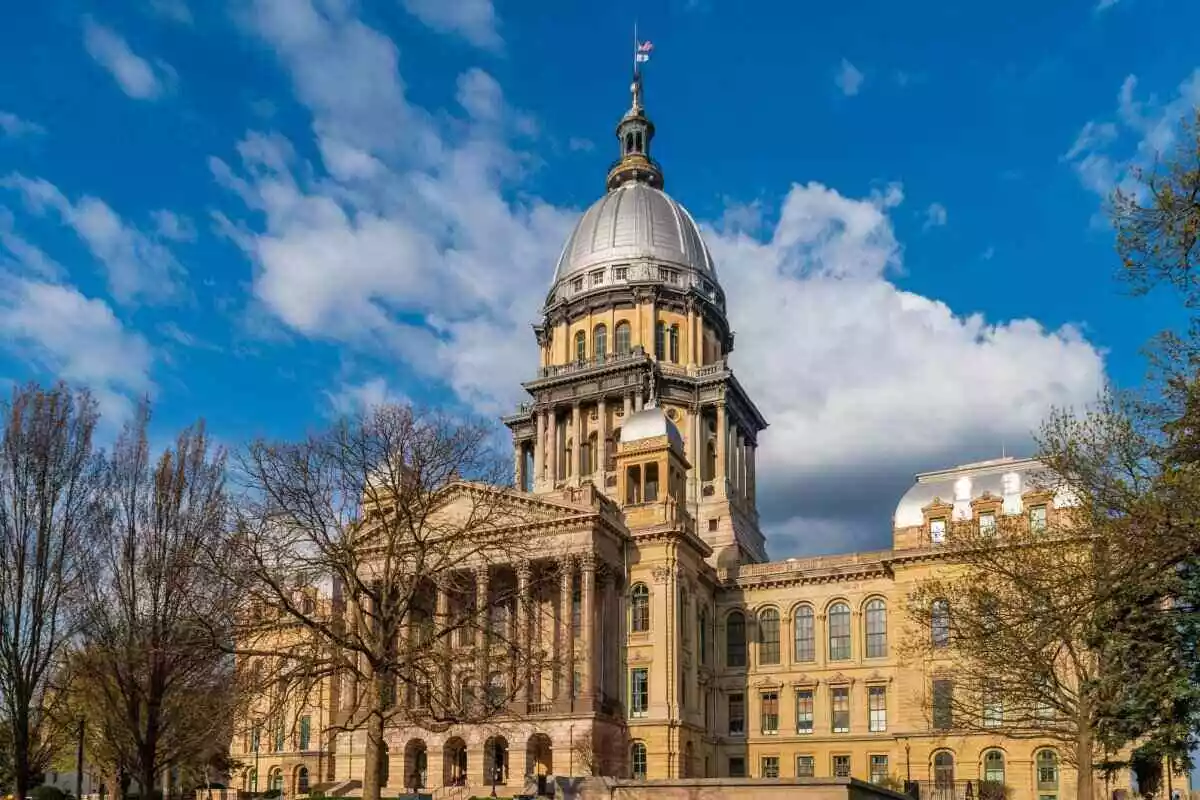
The dispute over Chicago’s authority has attracted attention in Springfield, where lawmakers have proposed state-level bills to explicitly bar local jurisdictions from taxing or licensing online sports betting.
HB 4171, supported by Rep. Dan Didech, and a companion bill from Sen. Patrick Joyce would clarify that only the state may regulate, tax, or license sports wagering, and would adjust municipal revenue allocations if cities impose such fees.
The SBA lawsuit continues its path through Cook County Circuit Court, with a merits hearing scheduled for March 2026.
The outcome will determine whether Chicago can maintain its locally imposed revenue structures or if authority over sports wagering remains solely with the state. Meanwhile, bettors and operators in the city are able to place and accept legal online bets without disruption.