Chicago officials continue to weigh new taxes on sports betting as part of an ongoing effort to close a major budget shortfall. A proposed levy included in an alternative city budget has intensified debate between lawmakers and the gaming industry. Operators warn that higher local taxes could compound existing state and county costs, reshaping the sports betting market in the city.
Chicago Mayor Brandon Johnson and the City Council remain divided over the city’s 2026 budget, but taxing sports betting revenue generated within city limits has emerged as a rare point of agreement.
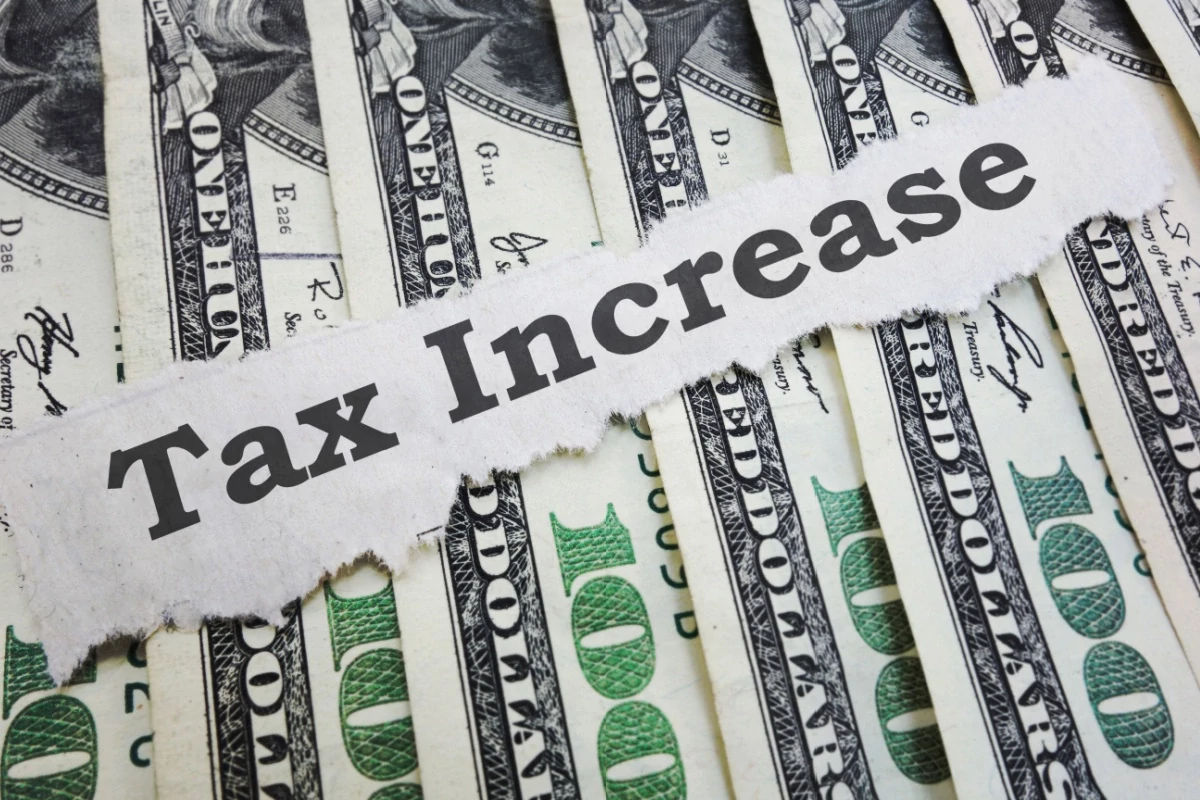
An alternate budget backed by 27 of the city’s 50 aldermen includes Johnson’s proposed 10.25% tax on all Chicago-based sports betting revenue as officials look for ways to close a projected $1.2 billion budget gap.
The fact that this Chicago sports betting tax continues to see support after being initially proposed by the Chicago Financial Future Tax Force means it could actually go through.
If adopted, the tax would significantly increase the burden on operators. Combined with the existing 2% Cook County tax, sportsbooks would face a minimum effective tax rate of 32.25% on revenue generated in Chicago. For context, this would be significantly higher than the national average, which ranges from 10-20%.
Currently, the only local tax on sports betting in the city is a 2% levy tied to DraftKings’ retail sportsbook near Wrigley Field.
The proposal has drawn criticism from industry groups, including the Sports Betting Alliance, which has repeatedly clashed with lawmakers over recent tax increases at the state level. Illinois overhauled its sports betting tax structure in 2024, replacing a flat rate with progressive taxes based on operator revenue and later adding a per-wager surcharge. Operators argue that those changes have already increased costs and reduced flexibility in the market.
Industry advocates warn that layering a new Chicago-specific tax on top of existing Illinois and Cook County levies would further strain sportsbooks operating in the state. Additional local taxes could make Illinois one of the most heavily taxed sports betting markets in the country, potentially discouraging investment and limiting promotions for bettors.
The fate of Chicago’s proposed sports betting tax will be decided as negotiations continue between Mayor Johnson and the City Council over the city’s 2026 budget. City officials are working under a year-end deadline to pass a balanced budget, meaning the issue could be resolved before the end of the calendar year. If no agreement is reached by then, discussions could extend into early 2026, delaying final decisions on new taxes.
Should the budget be approved with the sports betting tax included, the measure would be expected to take effect on Jan. 1, or shortly after passage if the deadline is missed. In the meantime, sportsbook operators and industry groups are likely to intensify lobbying efforts, while city leaders weigh whether the projected revenue justifies the potential impact on the local betting market.