A Colorado judge has dismissed a lawsuit from two tribal nations seeking to expand online sports betting on their lands. The Southern Ute and Ute Mountain tribes argued they had the right to operate a statewide betting app under their gaming compacts, but the court ruled that wagers should be placed where the bettor is located, not where the server is housed.
The decision dealt a setback to tribes hoping to use similar models to enter the online betting market.
At the heart of the lawsuit was the tribes’ “hub and spoke” argument, which claimed that a wager should be considered to take place where the sportsbook’s server is located, rather than where the player places the bet. In this case, the server is located on tribal land.
Judge Gordon Gallagher dismissed that interpretation, ruling instead that a bet occurs where the bettor is physically located, not where the server sits.
Gallagher compared the bettor’s action of clicking to place a wager online to traditional casino activities such as rolling dice or spinning a wheel, concluding that the core act of gambling happens at the player’s location. Because most bettors using the Sky Ute Sportsbook app would be located off tribal land, he determined that those wagers did not occur on tribal lands.
As a result, the tribes cannot operate mobile sportsbooks statewide under their current gaming compacts. The Southern Ute Tribe said it respects the court’s decision but believes federal law supports a different outcome and plans to evaluate its legal options moving forward.
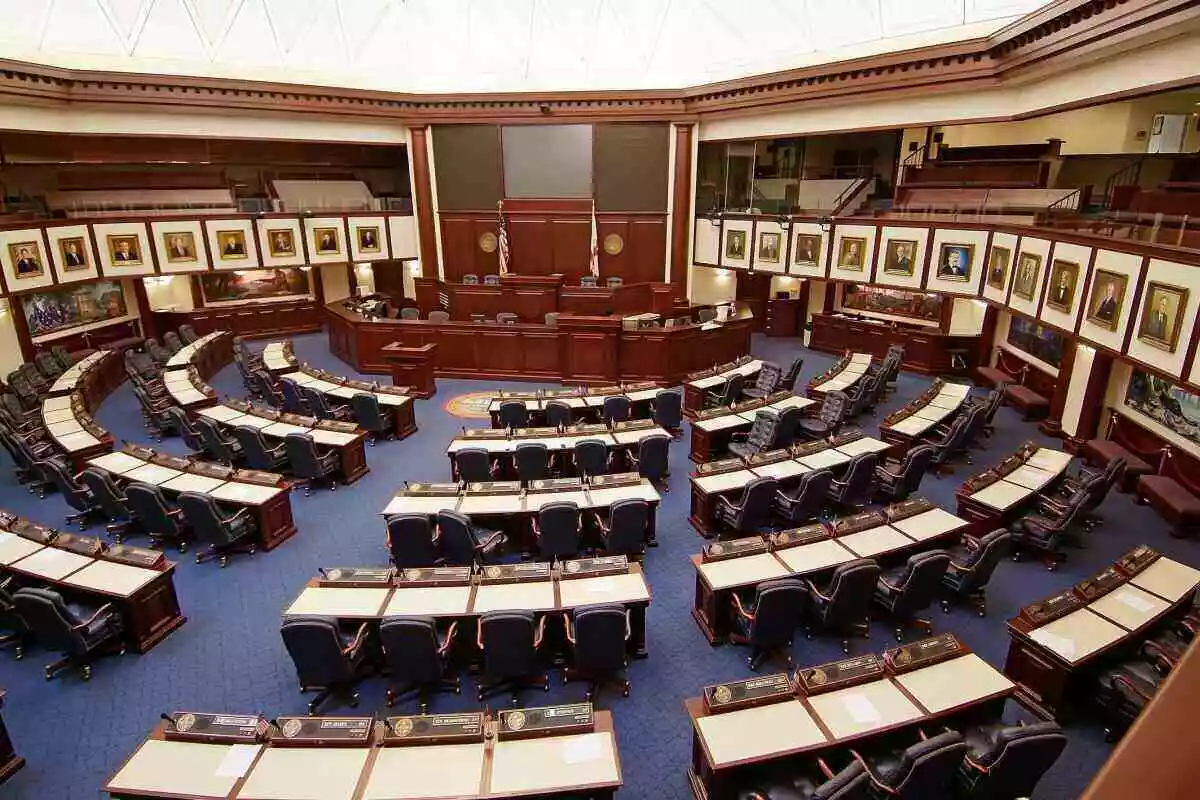
The Colorado ruling drew comparisons to the Seminole Tribe’s case in Florida, where the state approved a similar “hub and spoke” model allowing wagers placed anywhere in Florida to be considered as taking place on tribal land because the servers were located there.
However, Judge Gallagher did not reference the Florida case in his decision. The key difference here is that the Florida compact explicitly included language stating that bets occur where the server is located, while Colorado’s tribal compacts do not.
The court’s decision reinforces Colorado’s current sports betting structure, which is regulated entirely by the state and its licensed commercial operators.
By rejecting the tribes’ argument, the ruling keeps mobile sports betting under state jurisdiction, preventing tribal nations from independently expanding into online wagering without renegotiating their gaming compacts.
For now, players in Colorado will continue to place bets through state-licensed platforms like DraftKings and FanDuel, while tribal casinos remain limited to in-person gaming on their lands.
The decision also provides legal clarity for regulators and operators, affirming that online wagers are tied to where bettors are located rather than where servers process the bets.
Long term, this ruling could influence how other states approach tribal online gaming. Unless future compacts explicitly define wagers as occurring on tribal land, courts may continue to side with state regulators in similar disputes.