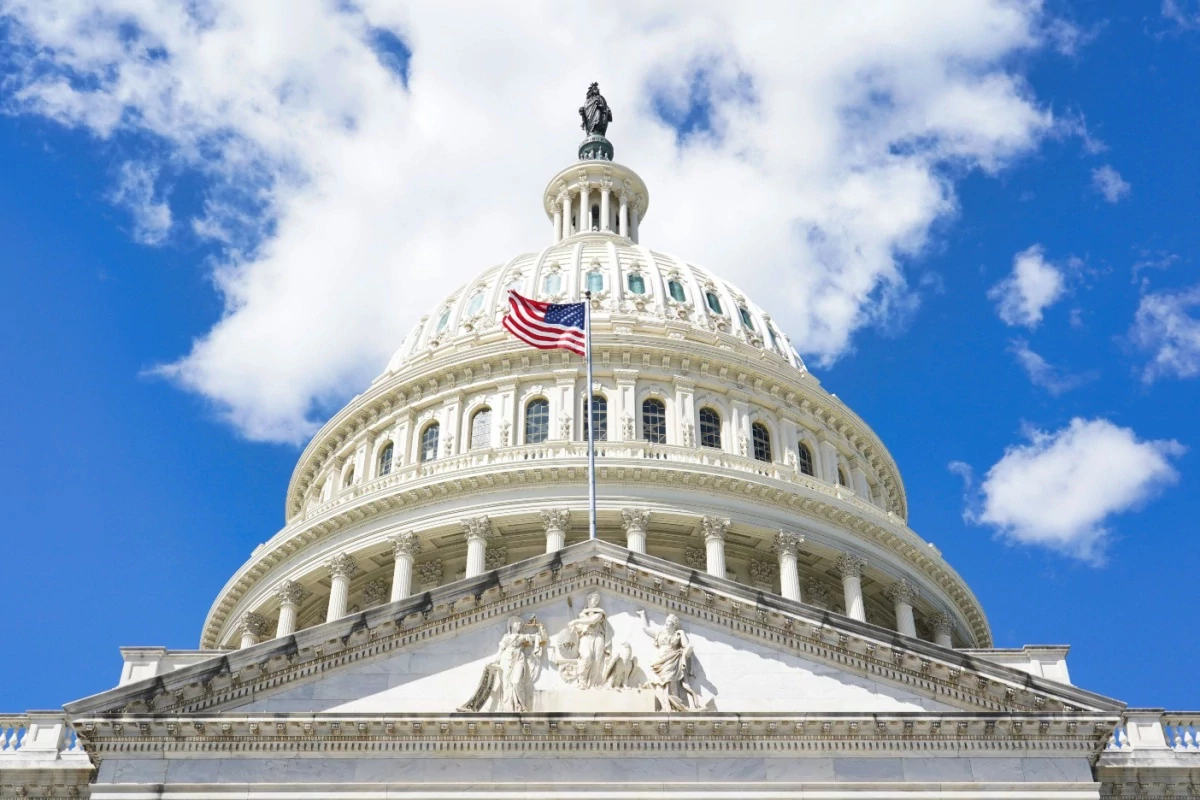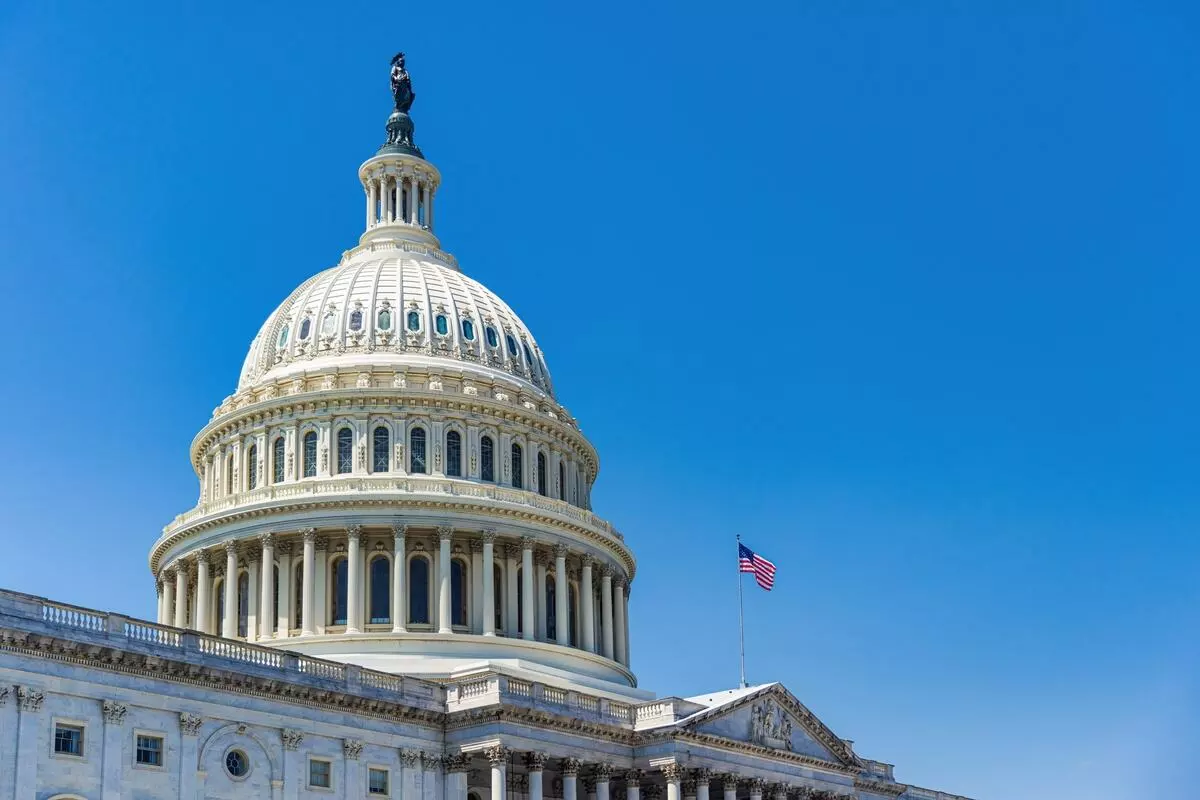
Two members of Congress have introduced bipartisan legislation that would require a multi-year federal study on gambling disorders, with a focus on the impacts of online sports betting. Democratic Rep. Dan Goldman of New York and Republican Rep. Blake Moore of Utah have recently introduced the Gambling Disorder Health Study Act, HR 8970, in the House of Representatives.
The multi-year federal study mandated by the bill would examine the causes, long-term impacts, and treatment of gambling disorders, including issues linked to the expansion of online sports betting.
Under HR 8970, researchers would evaluate factors contributing to problem gambling, identify effective prevention and treatment approaches, and develop policy recommendations.
The bill would also require the Secretary of Health and Human Services to provide Congress with annual reports detailing the study’s findings and proposed responses.
Under the proposed legislation, a portion of federal revenue generated from the excise tax on legal sports betting would be redirected toward gambling addiction research over three years beginning in fiscal year 2027. It would allocate 10% of proceeds collected through the existing 0.25% federal tax on regulated sports wagering activity to support the study.
Lawmakers backing the bill argue that federal oversight has not kept pace with the growth of online betting platforms and emerging gambling products.
In announcing the legislation, Reps. Goldman and Moore said the expansion of online gambling following the repeal of PASPA in 2018 has occurred without a coordinated federal research effort into addiction and related harms.
Goldman characterized gambling addiction as an escalating public health concern, particularly among younger men, and pointed to data showing increased online searches related to gambling addiction support in recent years.
He said the legislation is intended to improve understanding of how round-the-clock access to betting platforms may affect vulnerable users and to help develop evidence-based prevention and treatment strategies.
HR 8970 could help close major gaps in research surrounding gambling addiction at a time when online betting has become more widely accessible across the U.S. By establishing a long-term federal study, the goal is to generate more reliable data on who is most vulnerable to problem gambling, how addiction develops, and which interventions are most effective.
The findings could help inform future regulatory policies and responsible gambling standards for sportsbooks. Researchers would also examine how factors such as mobile betting access and advertising exposure may contribute to problematic gambling behavior.
This broader federal research effort could lead to earlier detection of gambling disorders, expanded access to treatment resources, and stronger prevention programs aimed at at-risk groups.
The annual reports required under the bill would also give Congress ongoing data to evaluate whether additional regulatory action is needed as the legal sports betting market continues to evolve.
It’s the latest research initiative proposed in the U.S. sports betting market. Earlier this year, New York put forth a 10-year research effort on sports betting.