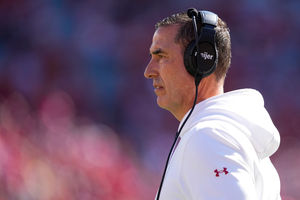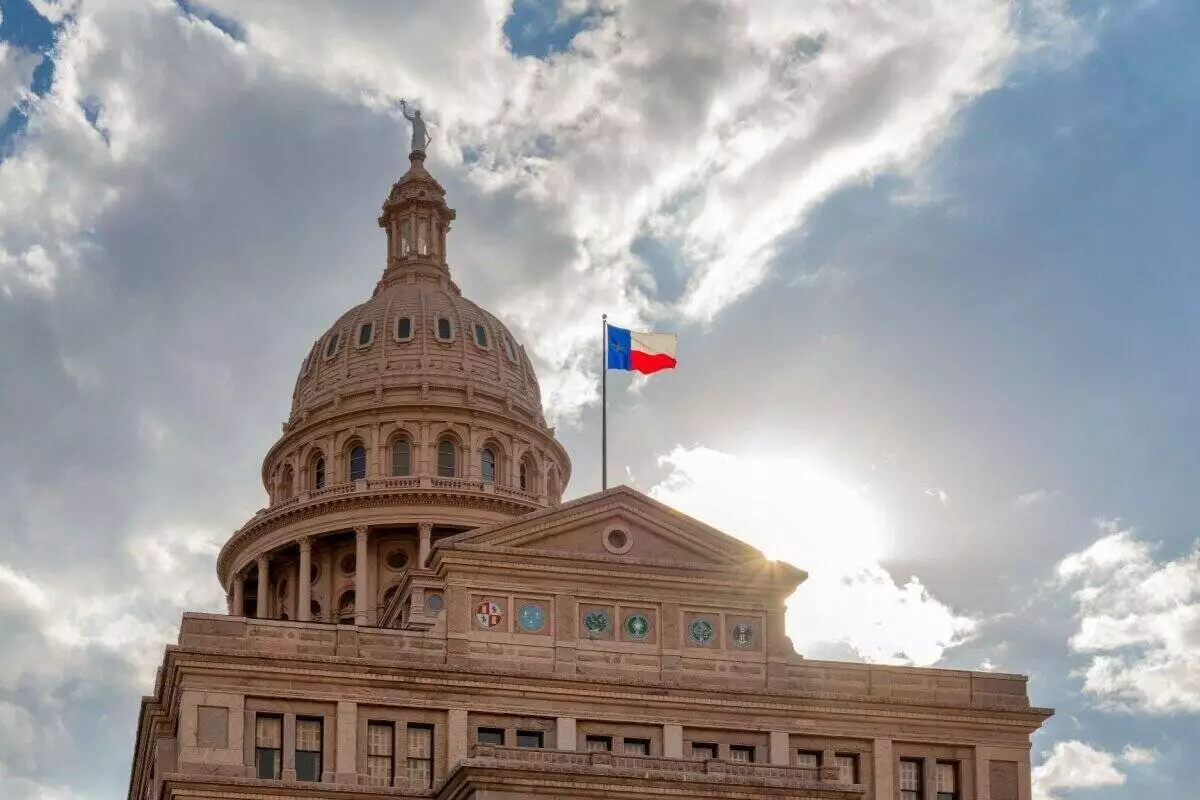
Texas Lieutenant Governor Dan Patrick’s decision to seek re-election in 2026 has dealt another blow to efforts to legalize sports betting and casinos in the state. Patrick has long opposed gambling expansion. With a good chance at his seat, the chances of reform in the near future appear increasingly unlikely.
As Lieutenant Governor, Patrick is effectively the Chief Executive of the state, holding the power to control which bills reach the Senate floor. This means that he can block any gambling-related legislation that lacks enough Republican support. Patrick has held this position since 2014.
Throughout the years, Patrick has repeatedly refused to consider sports betting or casino proposals unless they command a majority of GOP backing, halting momentum even when such measures cleared the House.
In 2023, sports betting bills successfully passed the Texas House and were introduced in the Senate, carried by Sen. Lois Kolkhorst, a member of the Sports Betting Alliance. Despite this, Patrick did not allow these bills to receive committee hearings or floor votes in the Senate, effectively halting their progression.
Following a 2025 legislative session in which sports betting and casino amendments failed to gain traction, Patrick reaffirmed his control over the Senate agenda. He confirmed that Republican support was insufficient, and he personally blocked the bills from advancing to the floor.
With Patrick’s recent announcement of his 2026 re-election campaign, the prospect of gambling reform in Texas is slipping further out of reach. If successful, Patrick would hold another four-year term, and he could run again after that.
Patrick’s continued influence over legislative priorities, paired with conservative opposition, means that meaningful progress on sports betting and casino legislation is unlikely while he’s in office.
Texas sports bettors have only a few alternatives if Patrick gets re-elected. This includes traveling to neighboring states like Louisiana or Arkansas, where retail and mobile sportsbooks are available.
The other option is to place sports picks at sweepstakes casinos that also offer this feature, including Sportzino and Thrillzz. These platforms operate under U.S. sweepstakes laws, offering dual currencies for freeplay but a chance to redeem for real money prizes, but they have come under increased legal pressure recently. For example, Thrillzz left Arizona following a cease-and-desist order.
While these alternatives provide some outlets, they are not the same as having a regulated, in-state market. Unless there is a major political shift, bettors in Texas will need to rely on out-of-state trips or sweepstakes sites to participate in sports wagering.
With no legal sports betting options in Texas and limited alternatives through sweepstakes sites, some players may turn to offshore sportsbooks. These platforms, while accessible online, operate outside U.S. regulatory frameworks and present significant risks for consumers. Players who use offshore sites often lack protections around fair play, secure payments, and responsible gambling tools, making disputes difficult to resolve.
Without legislative progress, the longer sports betting remains blocked in Texas, and the greater the risk that offshore markets will expand their reach among frustrated players. This is backed by a recent AGA report, which reveals that illegal gambling activity is on the rise within the country.