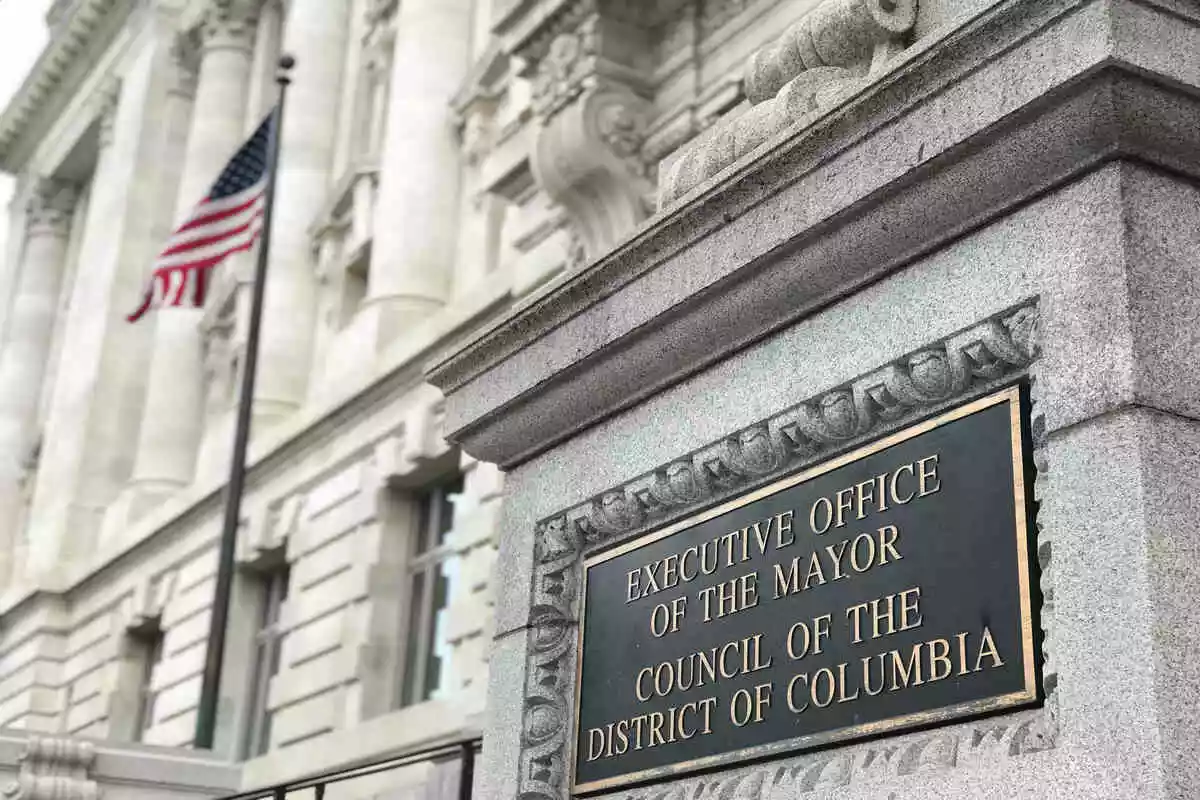
Washington D.C. Councilmember Wendell Felder has introduced new legislation, B26-0656, that would legalize online casino gaming while banning sweepstakes casinos. By creating a regulated environment while removing gray area operators, the bill would deter D.C. users from joining offshore platforms, which is a risk when there are no available iGaming platforms.
Under the proposal, operators would pay an initial licensing fee of $2 million for a five-year term, with renewals set at $500,000 for subsequent five-year periods. Participation would be limited to individuals aged 21 and older.
Existing mobile sports betting operators would receive priority processing, with regulators permitted to use prior licensing history to accelerate approvals.
Each approved operator would be allowed to run up to two online gaming platforms, though regulators could permit additional brands if justified by market demand and operational capacity.
From a revenue standpoint, online gaming operators would be taxed at a rate of 25% on adjusted gross revenue. A portion of monthly proceeds, specifically the first $500,000, would be directed to the Department of Behavioral Health. Promotional spending would not be deductible during the first three years, after which deductions would be capped at 1.75% of revenue annually.
The bill also places strong emphasis on responsible gaming measures. Platforms would be required to offer tools such as customizable deposit and spending limits, session time controls, mandatory cooling-off periods, and self-exclusion options. Players would also have access to account activity tracking and receive periodic notifications about their usage.
The legislation also grants the Office of Lottery and Gaming (OLG) expanded authority to oversee and penalize violations from sweepstakes casinos, with fines reaching up to $100,000 per offense or $500,000 for repeated violations.
Beyond monetary penalties, the OLG would be empowered to take more direct action against operators, including issuing cease-and-desist orders and pursuing court intervention when necessary.
Lawmakers argue that these measures are necessary due to the widespread availability of online casino games through offshore and unregulated platforms.
Pairing a sweepstakes ban with the legalization of regulated iGaming is critical to deter players from joining offshore platforms. While enforcement measures can limit access to unregulated operators, they may not fully address consumer demand for online casino gaming.
By introducing a legal, regulated alternative, lawmakers aim to provide a safer option that includes consumer protections, age verification, and responsible gaming tools. This approach is intended to reduce the appeal of offshore sites, which operate without oversight and expose users to greater risks.
Without a regulated market in place, players may continue seeking out illegal options even if sweepstakes platforms are restricted. Establishing a legal framework for iGaming would help channel that activity into a monitored environment while also generating tax revenue for the state.
Ultimately, combining stricter enforcement with a legal pathway for online gaming is the best strategy to curb unregulated gambling and enhance consumer protections.