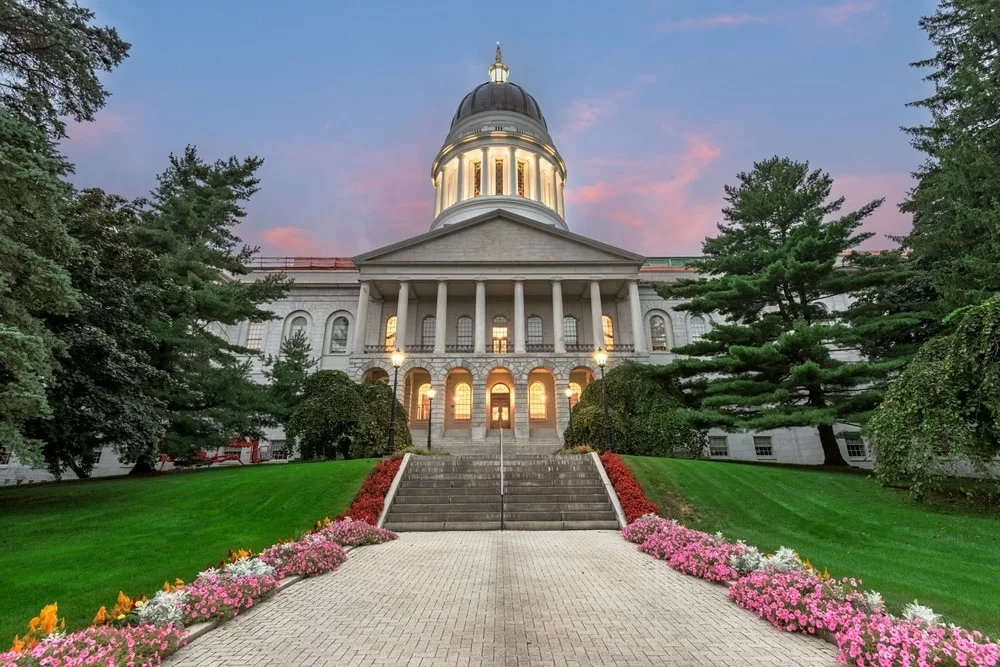
Maine lawmakers are considering a proposal that would prohibit dual-currency sweepstakes casinos, a move supported by major regulated gambling operators, including DraftKings. The company testified in favor of the bill during a recent bicameral hearing, aligning itself with regulators who argue these games operate outside Maine’s legal gambling framework. Kevin Cochran, DraftKings’ senior legal and government affairs director, said unregulated sweepstakes casinos undermine the state’s new online casino structure by drawing players away from licensed platforms.
The proposal, Legislative Document 2007 (LD 2007), seeks to classify online sweepstakes games using dual‑currency systems as a form of unlawful gambling. The bill defines online sweepstakes broadly, covering games that simulate casino-style outcomes and allow redemption of prizes through “sweeps” coins or similar virtual currencies.
Milton Champion, executive director of the Maine Gambling Control Unit, has repeatedly stated that sweepstakes casinos constitute unlawful iGaming. Regulators warn that these platforms operate without oversight and may expose residents to financial and data‑privacy risks.
LD 2007 proposes fines ranging from $10,000 to $100,000 for operating or promoting sweepstakes platforms deemed illegal. It also includes license revocation provisions for regulated gambling entities found to support sweepstakes operations, with the intention of preventing licensed operators from circumventing the state’s gambling statutes.
Leading sweepstakes casino operator VGW, known for brands like Chumba Casino and Global Poker, criticized the bill during the same hearing. Lloyd Melnick, VGW’s chief growth officer, argued that most sweeps players spend little or no money and that the sector drives entertainment innovation without the risks regulators associate with offshore gambling sites.
The Social Gaming Leadership Alliance (SGLA) also opposes the ban, stating that “Social Plus” games are a longstanding and legally compliant form of entertainment. Managing Director Sean Ostrow warned that LD 2007 would stifle innovation and cost Maine significant economic activity. The group instead advocates for regulatory oversight rather than prohibition, asserting that its member companies operate within Maine’s consumer‑protection standards.
Maine’s consideration of LD 2007 follows similar moves by states, including New York, New Jersey, California, and Nevada, where regulators have challenged or banned dual‑currency sweepstakes models. Supporters of the ban argue it better aligns state policy with licensed iGaming and consumer‑protection goals. Meanwhile, sweepstakes advocacy groups insist their models are legally distinct from real‑money gambling and have a long history in U.S. promotional law.
As lawmakers continue deliberations, the outcome will help define how states approach the increasingly contested sweepstakes casino sector—balancing innovation, regulation, and the boundaries of what constitutes gambling in the digital era.