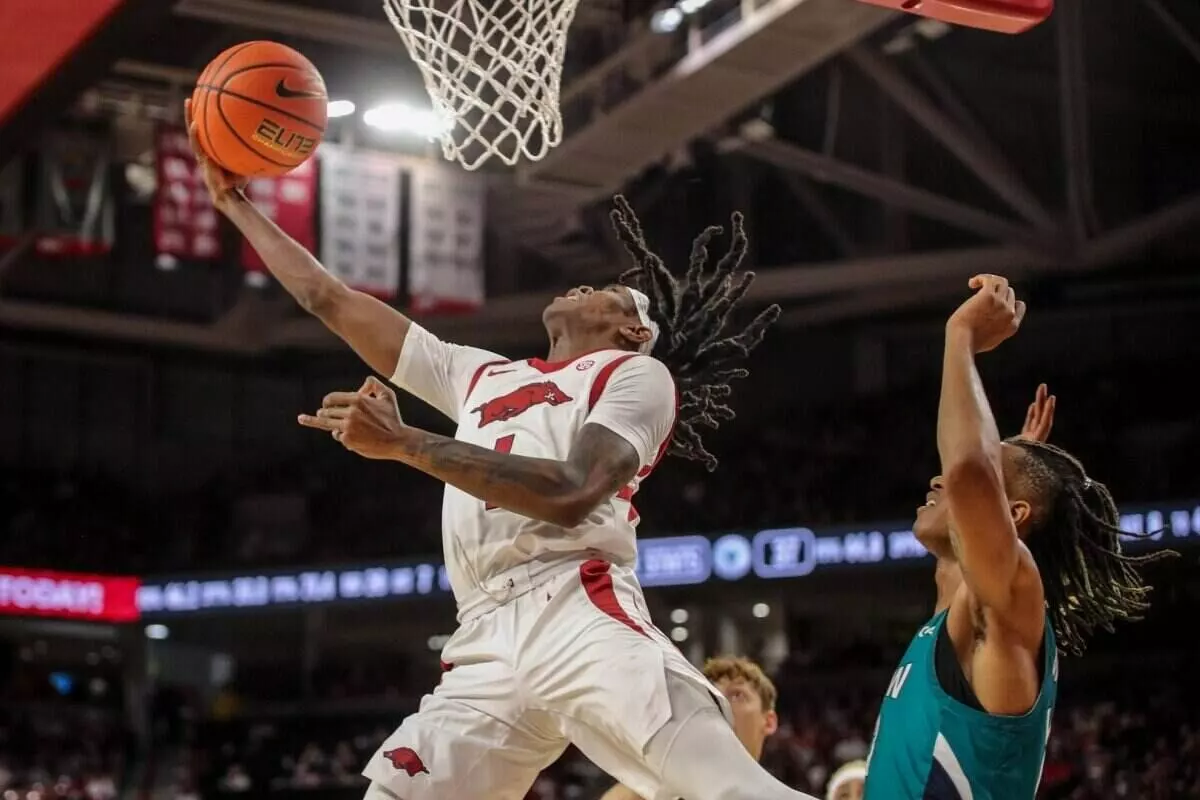
Duke Blue Devils sophomore guard Isaiah Evans, who just helped the team win the ACC Tournament, recently raised concerns about the impact of sports betting on college athletes. Evans specifically pointed to an increase in harassment tied to prop bets, stating that players are receiving hostile messages from bettors, with some incidents escalating to threats. This has prompted broader questions about the impact of prop betting in college sports.
College athletes face unique risks when it comes to sports betting-related harassment, largely due to their age and environment.
Unlike professional players, many are still teenagers or in their early 20s, balancing academics with athletics while developing emotionally and mentally. This can make hostile messages and threats more difficult to process.
These athletes also have less access to media training, security resources, and support systems compared to pros, increasing their exposure and vulnerability.
This raises the question of what can be done to help them avoid harassment.
In response to growing concerns around harassment, the NCAA has launched its “Draw the Line” campaign to address abuse tied to sports betting. The initiative focuses on educating fans about the real impact of their behavior. It encourages accountability when interacting with student-athletes online.
The campaign also provides resources to help athletes report harassment and better protect themselves. The goal is to help college athletes like Isaiah Evans from being exposed to hateful behavior from angry sports bettors.
Concerns like those raised by Isaiah Evans have intensified calls to ban player prop betting in college sports altogether. Some regulators and conferences have already begun exploring limits on these wagers, arguing that targeting individual player performance increases the likelihood of harassment.
Unlike team-based bets, prop bets place direct pressure on student-athletes, making them more exposed to backlash. As a result, banning college player props is increasingly viewed as a potential step toward protecting athletes from abuse.
States where college player prop bets are currently banned include:
Rather than banning college player props outright, tightening restrictions is a middle ground. For example, placing low maximum wager limits on individual player props could reduce the financial stakes for bettors, which may in turn reduce emotional reactions during losing bets.
Another approach would be removing college props from parlays, where multiple bets are combined for larger payouts, often increasing frustration when one leg fails. By lowering both the risk and potential reward, these measures could help reduce the intensity of bettor backlash, while still allowing limited forms of engagement with college sports betting.