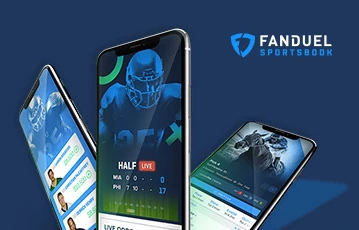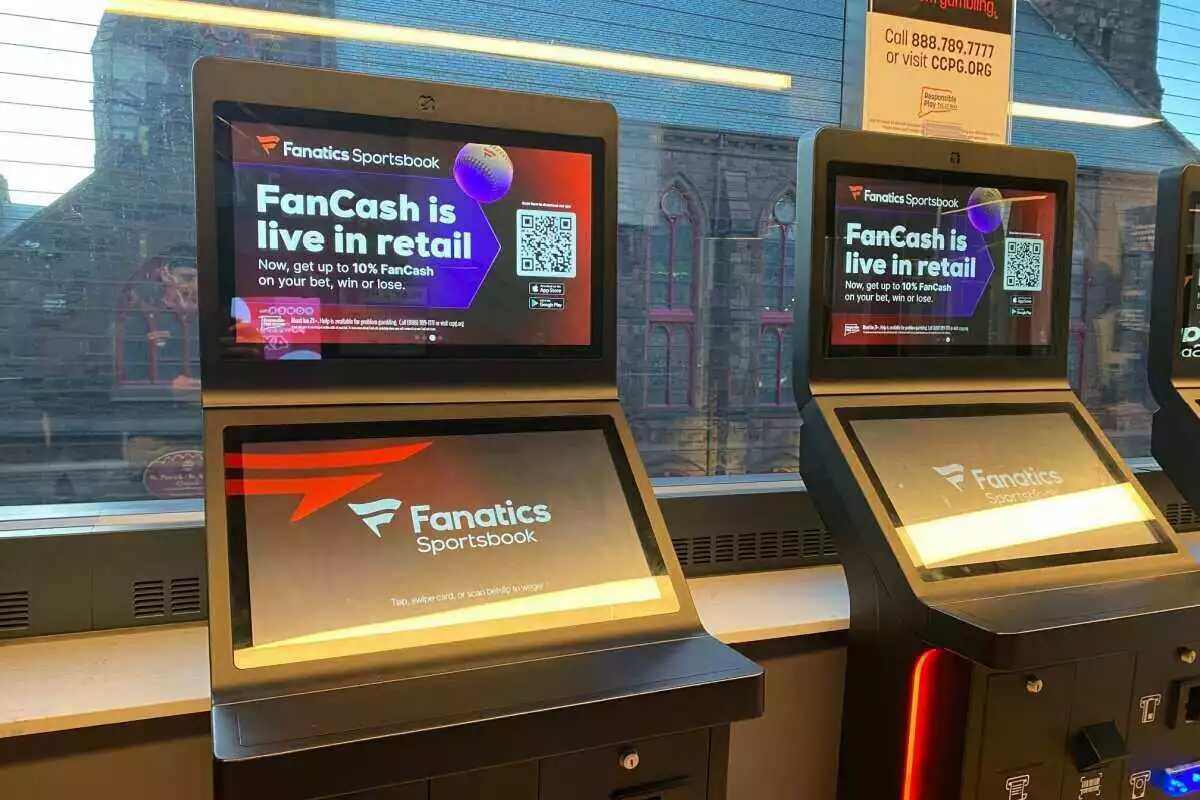
FanDuel has ended its injury-protection program for player prop bets during the NFL playoffs, while rival sportsbooks DraftKings and Fanatics continue to offer these protections. The differing approaches highlight how major operators are handling bettor safeguards during one of the busiest periods of the sports betting calendar.
Injury protection on player props occurs when sportsbooks refund wagers placed on overs for a player who leaves early due to injury. For example, if someone bet Josh Allen over 24.5 rushing yards, but he was ruled out for the game in the first quarter after only putting up two rushing yards, injury protection would mean bettors would get a refund.
This new approach has gained popularity this year, with users often even complaining when they don’t get a refund due to injury. To this end, it has become a tool that allows sportsbooks to earn consumer trust by offering this promotion.
With FanDuel removing this feature, more bettors could gravitate towards DraftKings and Fanatics, allowing these operators to close the gap on FanDuel in market share.
FanDuel’s decision to discontinue its Bet Protect injury-protection feature during the NFL playoffs likely reflects a combination of risk management and business strategy considerations.
Injury-protection offerings refund certain player prop bets when a player exits early due to injury, which can reduce the operator’s liability but also expose the sportsbook to unpredictable payout scenarios, especially in high-stakes, high-volume periods like the playoffs.
By removing Bet Protect, FanDuel may be aiming to limit financial exposure and streamline promotional costs while focusing on other incentives that drive engagement without the same level of risk.
Another factor could be competitive differentiation. While DraftKings and Fanatics continue to offer injury protections, they may be willing to absorb greater promotional costs as part of their market positioning.
FanDuel’s choice signals a different emphasis on balancing customer perks with sustainable risk management, particularly as betting volumes surge during marquee NFL games.
The growing use of injury-protection promotions has begun to shape bettor expectations, particularly around player prop markets. As these features have become more common, many bettors now view refunds for early injuries as a standard safeguard rather than a limited promotion.
This shift places added pressure on sportsbooks to clearly communicate the terms of their offers and manage customer expectations during high-volume betting periods.
FanDuel’s decision to step away from Bet Protect during the playoffs underscores the tension between meeting bettor demand for protections and maintaining sustainable promotional models.
As sportsbooks continue to experiment with these features, the industry may see further divergence in how operators balance transparency, customer experience, and financial risk.