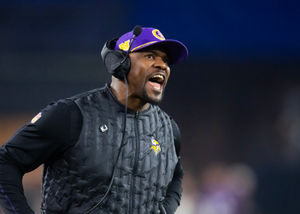
Chauncey Billups, head coach of the Portland Trail Blazers and former NBA star, was charged Thursday in a federal crackdown on illegal gambling. Billups is accused of participating in an underground poker operation tied to organized crime, using advanced devices and rigged games to defraud players.
Federal prosecutors allege that the underground poker games linked to Billups were designed to appear legitimate by including recognizable basketball players at the tables.
In reality, investigators claim the games were rigged in favor of the organizers, who used advanced technology, including rigged shuffling machines and even X-ray devices capable of reading face-down cards.
According to U.S. Attorney Joseph Nocella Jr., the poker operation generated as much as $7 million in profits over a two-year span. NYPD Commissioner Jessica Tisch said the investigation into the scheme took place over that same period, uncovering a sophisticated effort to defraud participants under the guise of high-stakes entertainment.
Billups’ arrest came the same day as that of fellow NBA player Terry Rozier, who was charged in connection with an illegal sports-betting ring.
The charges against Billups highlight how quickly the line between legitimate online gaming and illegal gambling operations can blur.
For the regulated iGaming industry, the case highlights the importance of strict oversight, transparent game mechanics, and robust player protection measures. As online casinos and sports betting continue to expand across the U.S., regulators may use cases like this to push for tighter security audits and clearer distinctions between licensed platforms and underground networks.
Even though this case centers on traditional poker, it could increase scrutiny on all forms of digital wagering, particularly peer-to-peer gaming, skill-based betting, and crypto-integrated casinos, where monitoring fairness and compliance remains a challenge.
This case comes on the heels of Adam Silver publicly stating that the NBA needs more regulation on gambling, urging a shift from patchwork state-by-state oversight toward a unified federal framework.
The Billups case highlights the risks that come when gambling, even in seemingly private or exclusive settings, crosses into illegal territory. For iGaming players, it’s a reminder that transparency, regulation, and fair play are what separate legitimate online casinos and poker rooms from criminal operations like the one Billups is accused of participating in.
For everyday online players, this underscores the importance of choosing licensed and regulated platforms, where games are independently audited and protected by gaming commissions.
It also serves as a warning about the dangers of offshore gambling sites, which often operate outside U.S. law and lack the oversight needed to ensure fair play or protect player funds. These unregulated sites may use questionable software, delay payouts, or expose users to fraud without any legal recourse.
As the digital gaming market grows, his case serves as a warning that integrity and compliance must come first, whether at a high-stakes poker table or in an online casino.