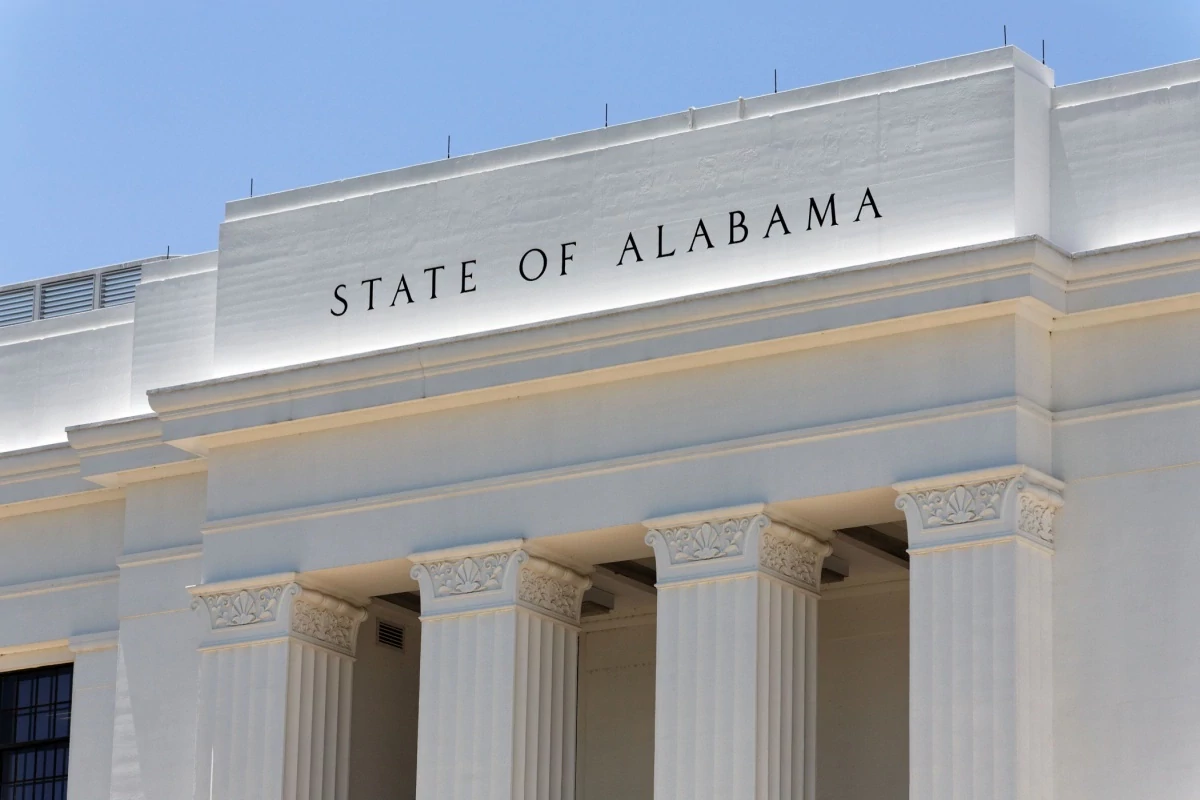
Alabama’s 2026 election cycle is seeing a significant influx of money from gambling-affiliated organizations, reshaping the financial terrain of several legislative races. Reports show that the Montgomery-based SV&B PAC has distributed $718,500 to candidates since January 2025, funded heavily by more than $1.25 million from the Sports Betting Alliance, a group representing major sports betting operators like Bet365, BetMGM, DraftKings, Fanatics and FanDuel.
State Sen. Jay Hovey is the top recipient, collecting $50,000, followed by Senate candidate Doug Harwell with $45,000. Others receiving substantial sums include Sen. Chris Elliott, Senate President Pro Tempore Garlan Gudger and Rep. James Lomax. Critics argue these donations reflect deepening industry influence, with Harwell’s opponent, former Sen. Rusty Glover, labeling the PAC a “dark” funding source.
Candidates receiving funds have pushed back on the notion that these contributions affect their policy positions. Harwell said he informed the PAC he would only support legislation he considers a “good bill,” while Hovey noted his stance on gaming is guided by what he calls “common sense,” pointing to Alabamians crossing state lines for lottery tickets.
Despite these assurances, critics remain vocal. Former U.S. Rep. Mo Brooks, running for House District 20, described the donations as part of a larger effort to “launder” gambling money through political channels. Brooks argues such contributions reveal how special interests shape public policy, a concern echoed in other statewide commentary on the shifting funding landscape.
While out-of-state operators play a major role, in‑state tribal interests are also expanding their political engagement. The Poarch Band of Creek Indians’ PAC has given $190,000 to lawmakers since late 2025, maintaining the tribe’s longstanding push for expanded gambling rights. These contributions highlight a parallel track of influence, with tribal and commercial gambling factions positioning themselves for involvement in any future legislation.
This spending comes amid renewed discussions about gambling expansion after previous legislative efforts fell short. As debates continue, the growing presence of both tribal and commercial donors suggests intensifying competition over the direction of Alabama’s gambling policy.
Beyond individual candidates, multiple PACs and interest groups have broadened their participation across the state. Additional spending from organizations like the American Conservative Fund—linked indirectly to DraftKings through corporate donations—has appeared in support of certain candidates, sometimes even mistakenly targeting the wrong office in campaign mailers.
Candidates such as Lomax have stated that outside mailers and third-party messaging do not reflect their campaign positions. However, the continued expansion of gambling-related contributions underscores a broader scrutiny of how transparent and influential these financial networks may be as election season progresses.
The combined effect of out‑of‑state operators, tribal interests and politically active PACs is reshaping the financial dynamics of Alabama’s political races. As lawmakers and challengers navigate the growing flow of gambling‑related money, questions of influence, transparency and policy direction remain central to the unfolding 2026 campaign narrative.