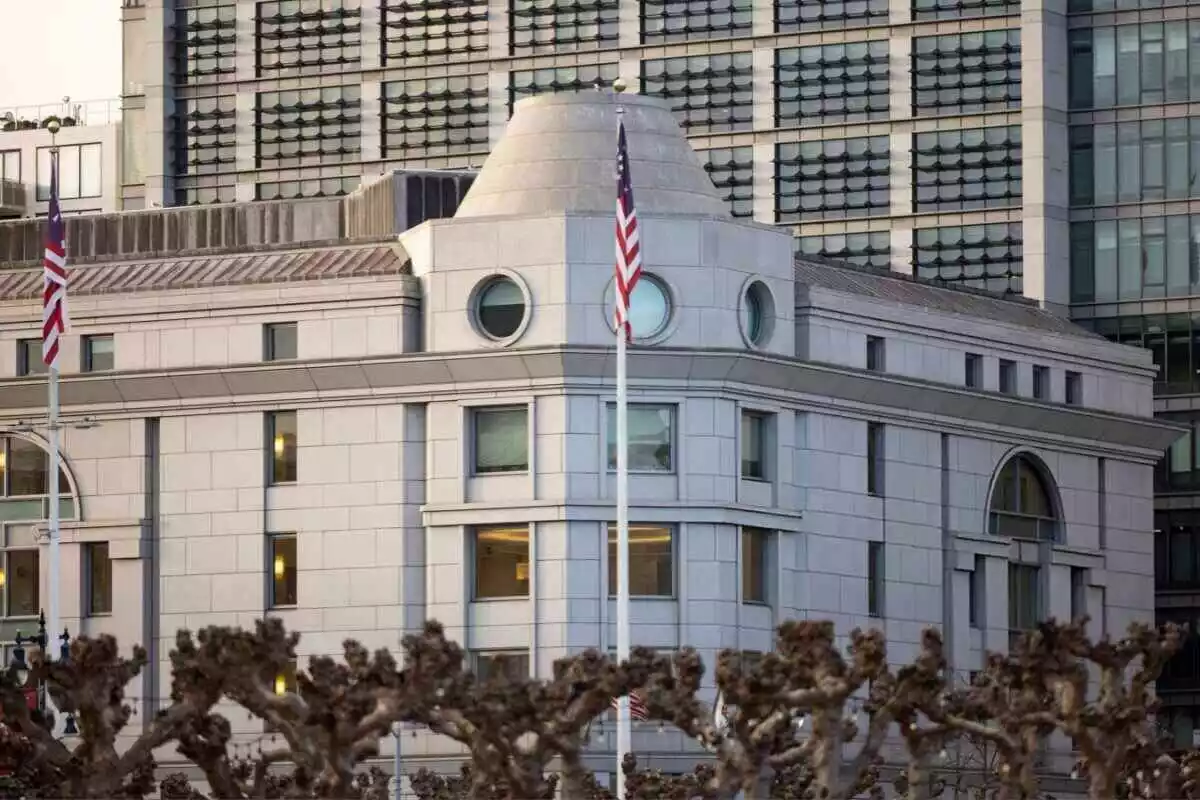
Sweepstakes casinos are increasingly being targeted in U.S. courts, with new rulings shaping the legal landscape for the industry. In California, High 5 Entertainment recently faced another setback as a San Francisco Superior Court judge denied its motion for arbitration. The decision highlights the heightened scrutiny surrounding sweepstakes casinos and their consumer protections.
Judge Anne-Christine Massullo ruled that High 5’s arbitration clause was drafted to heavily favor the operator.
Judge Massullo found several parts of High 5’s Terms of Service to be unfair to players. For example, the rules gave customers only one year to file a claim, even if the law normally allows more time. They also required players to pay their own legal fees no matter what, which blocks consumers from recovering costs if they win a case.
On top of that, the terms made it nearly impossible to stop harmful practices through public injunctions, since players would first have to pursue damages they didn’t want. This means the contract rules were set up so players couldn’t easily ask the court (or an arbitrator) to order High 5 to change its practices, such as to stop misleading advertising.
Instead, the terms required players to first file a claim for money damages, even if they weren’t interested in suing for money. Only after that could they try to seek a broader order, like stopping High 5 from continuing the behavior. Judge Massullo saw this as an unfair obstacle that made it much harder for players to protect themselves and others.
Back in January, plaintiff Thomas Portugal filed a lawsuit against High 5 Entertainment, arguing that their sweepstakes casino misled him into spending money on what he called an illegal gambling service.
Earlier in August, Judge Christine Van Aken denied High 5’s motion to dismiss this case, which forced the lawsuit to proceed to arbitration.
Now, Judge Massullo has denied arbitration and rejected High 5’s motion to dismiss the case for lack of personal jurisdiction. This clears the way for Portugal’s lawsuit to proceed to trial.
This decision represents a major hurdle for High 5 Entertainment. Arbitration is typically private and far less risky for operators because it keeps disputes out of public view. By denying arbitration, the court ensures that High 5 will face public scrutiny in a California courtroom, with all filings and arguments on record.
For the wider sweepstakes casino industry, this ruling could have ripple effects. Many sweepstakes casinos use similar Terms of Service, with strict claim deadlines and limits on consumer remedies. If the court ultimately rules against High 5, it could encourage more players to challenge these contracts in state courts, making it harder for operators to enforce arbitration clauses going forward.
The decision also underscores growing judicial concern over consumer protections in the sweepstakes space. Regulators and lawmakers have already been watching the industry closely, and rulings like this one may accelerate calls for clearer rules around player safeguards.