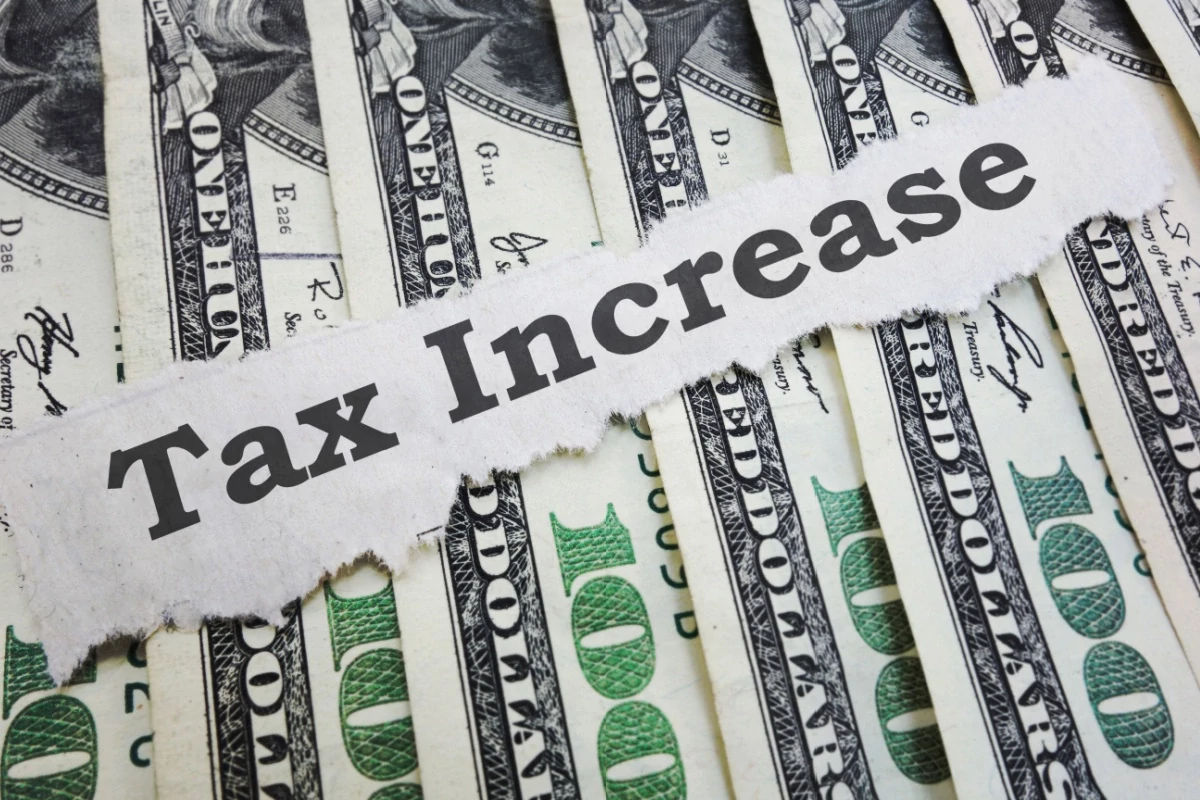
New Jersey legislature passed a new tax rate for iGaming on June 30th, which includes sports betting, online casino, and daily fantasy sports. The next step is for Gov. Phil Murphy to sign the legislation to put the bill into law.
The new NJ tax rate was passed 46-to-33 in the Assembly and 25-to-14 in the Senate.
Gov. Murphy had initially proposed a 25% tax rate at first, but this was negotiated to the confirmed rate of 19.75%, which is an increase from the previous rate of 15%. “We want to be competitive,” Gov. Murphy stated, highlighting the importance of striking a balance between generating tax revenue and maintaining an operator-friendly environment.
With that said, New Jersey is now firmly ahead of other states in taxes for online wagering. The table below focuses on the larger markets in the country, featuring the top 10 states in sports betting handle and their respective tax rates.
| State | Tax Rate | Total Sports Betting Handle |
|---|---|---|
| New York | 51% | $69.8 billion |
| Illinois | 20-40% + 0.25-0.50 cents per wager | $49.7 billion |
| Pennsylvania | 36% | $38.8 billion |
| New Jersey | 19.75% | $63.7 billion |
| Virginia | 15% | $22.6 billion |
| Colorado | 10% | $24.2 billion |
| Arizona | 10% | $24.8 billion |
| Indiana | 9.5% | $22.4 billion |
| Michigan | 8.4% | $21.5 billion |
| Nevada | 6.7% | $48.5 billion |
New Jersey now has nearly double the rate of Arizona and Colorado. Whether that has any impact on the NJ sports betting market is yet to be determined.
The good news for operators in NJ is that the new rate isn’t nearly as prohibitive as what’s seen in Illinois.
The Prairie State now imposes a $0.25 fee on each wager for the first 20 million bets at licensed sportsbooks. Once that number is reached, the fee moves to $0.50.
We’re seeing tax rate hikes in U.S. sports betting markets as a nationwide trend. North Carolina is looking to increase their tax rate from 18% to 36%. Maryland has already passed a bill to bump their tax rate from 15% to 20%. Louisiana has approved a minor increase from 15% to 21.5%.
This almost came to fruition in Ohio as well, but lawmakers rejected a proposal that would have bumped their tax rate from 20% to 40%, which would be among the highest in the nation.
If a state’s sports betting tax rate gets too high, that makes it difficult for operators to function within those parameters. New York is by far the highest at 51%, but sportsbooks are willing to tolerate that huge rate because it’s such a massive market.
But in markets like Illinois, which aren’t nearly as large as New York, it becomes much more difficult. We’ve already seen industry leaders like DraftKings introduce transaction fees on users in response to the new tax rate. FanDuel did the same in Illinois.
With New York and New Jersey being the two largest operators in the state, the risk is that transaction fees could push bettors to other platforms, such as offshore sites with less regulation.
There are no signs that this type of transaction fee will be implemented in New Jersey, but the Illinois example highlights the risks of too much of an increase to tax rates.