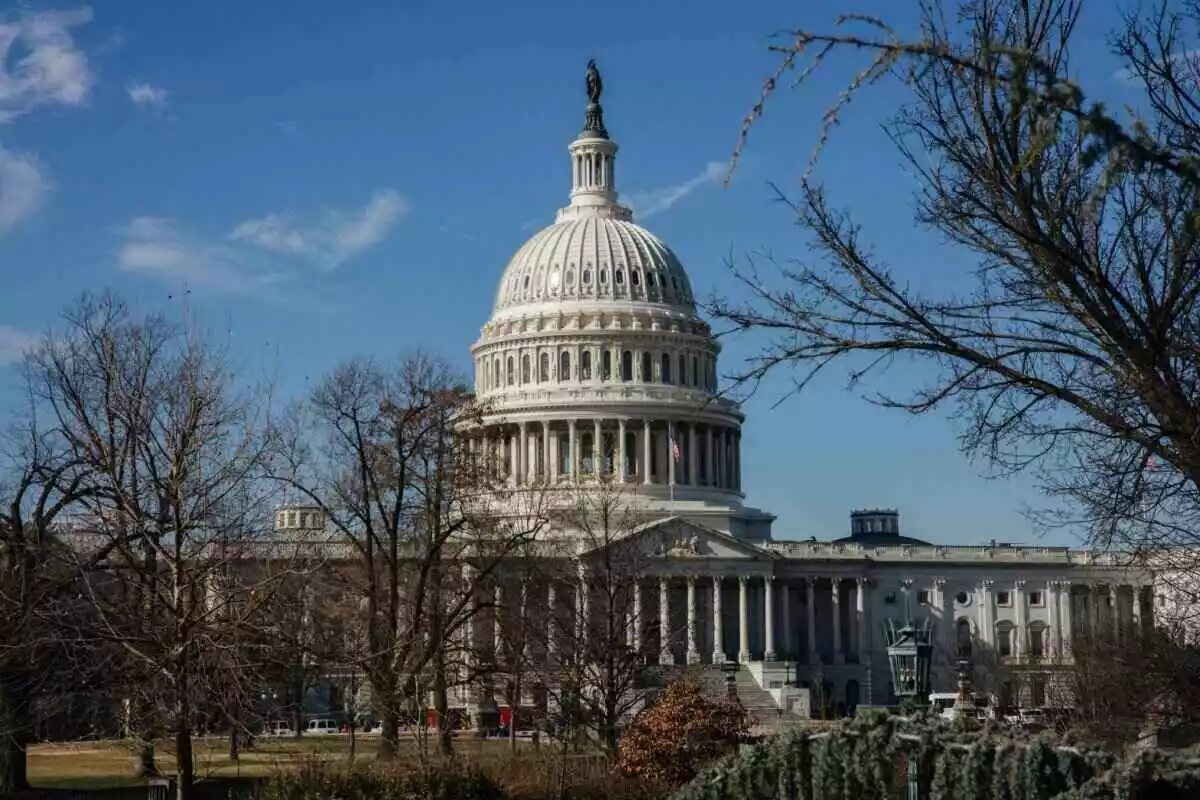
A controversial federal tax change affecting gamblers moved one step closer to repeal this week after a key House committee voted overwhelmingly in favor of restoring the full deduction for gambling losses.
The House Ways and Means Committee approved language within H.R. 10357, the Digital Asset Tax Certainty Act, that would remove the current 90% limit on gambling-loss deductions. The measure now heads toward consideration by the full House, although a vote is not expected until after the November midterm elections. CNN reported that the committee approved the provision by a 38-5 margin with support from both parties.
The dispute centers on a provision included in the One Big Beautiful Bill Act that changed how gambling losses are deducted on federal tax returns beginning with the 2026 tax year.
Under previous rules, taxpayers could deduct gambling losses up to the amount of their gambling winnings. The newer provision limits those deductions to 90% of losses, creating situations where some gamblers could owe taxes despite breaking even overall.
For example, someone who records $100,000 in gambling winnings and $100,000 in gambling losses would only be able to deduct $90,000 of those losses. The remaining $10,000 could be treated as taxable income despite the bettor finishing the year without a net profit.
The language approved Wednesday would eliminate the 90% limitation and restore the previous standard that allows losses to offset winnings on a dollar-for-dollar basis, up to the amount won.
Lawmakers incorporated the gambling tax change into H.R. 10357 rather than advancing it as a standalone proposal. The legislation received bipartisan backing in committee, a development supporters described as a significant step forward after months of efforts to reverse the tax change.
Several lawmakers have introduced separate bills targeting the deduction cap over the past year. The latest approach combines that goal with a broader tax package moving through Congress.
Committee approval does not make the change law. The proposal must still receive approval from the full House and Senate before reaching the president’s desk.
The timing remains uncertain. Reports indicate the House is not expected to return for floor votes until after November’s midterm elections, meaning final congressional action could extend into late 2026 or beyond.
If enacted, the repeal would apply to tax years beginning after Dec. 31, 2025, effectively restoring the full deduction for the current 2026 tax year. According to estimates cited in congressional discussions, reversing the cap would reduce federal tax revenue over the coming decade, one reason the issue continues to generate debate among lawmakers and tax policy observers.
For now, the committee vote marks the most significant progress yet for legislation seeking to undo the deduction limit, but several legislative hurdles remain before the tax rule can officially be changed.