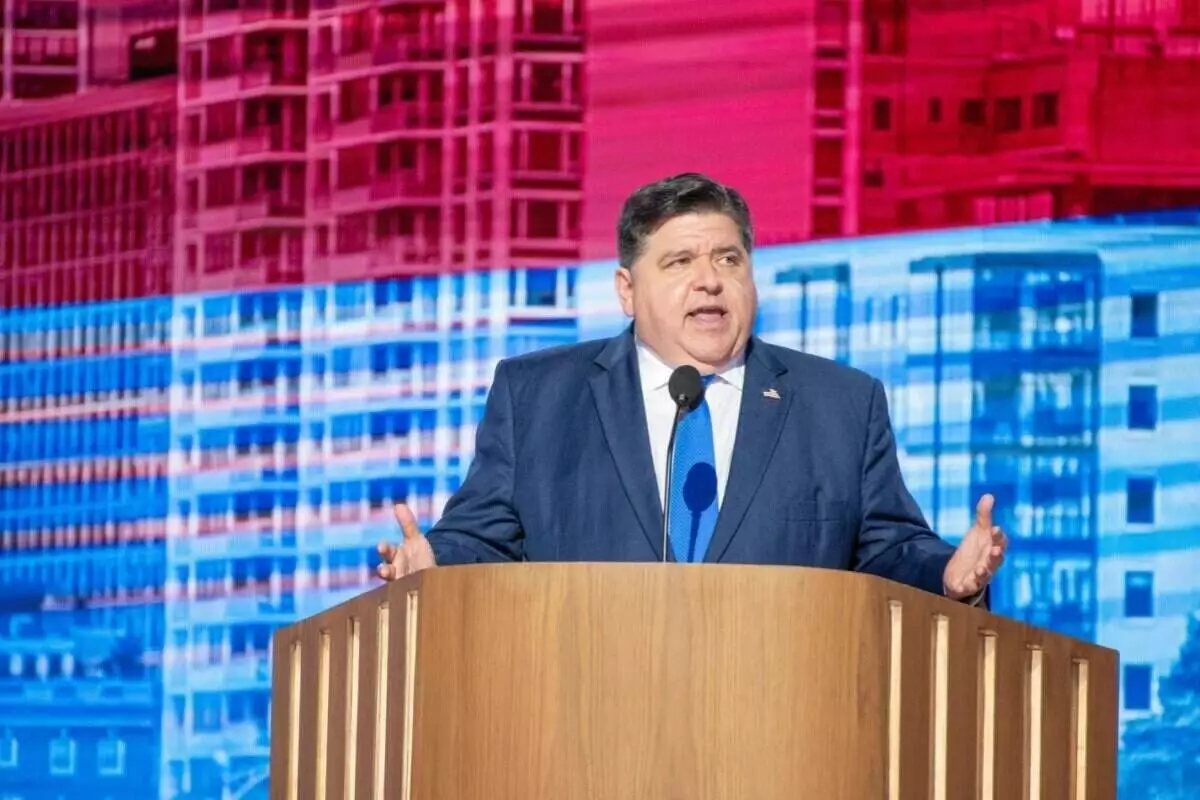
According to the Associated Press, Illinois Governor J.B. Pritzker reported more than $1.4 million in gambling winnings for 2024, according to newly released tax summaries from his campaign. The disclosures show that gambling earnings made up a significant portion of the governor’s reported $10 million in income for the year, which also included business and investment returns.
The figures mark a sharp increase from the prior year and have drawn public interest due to Pritzker’s role in shaping Illinois’ gambling and tax policies.
Gov. Pritzker’s reported gambling winnings come as Illinois navigates a shifting gaming landscape shaped by new tax policies. Earlier this year, the state implemented a tiered per-bet tax structure on sportsbook operators, which is one of the highest in the nation, aimed at increasing revenue from the booming sports betting market. This resulted in a response from operators, where they imposed their own fees per bet or put in a higher minimum bet.
Against that backdrop, Pritzker’s personal gambling success adds a layer of irony to the conversation. As the architect of Illinois’ gambling tax policy, the governor has defended the higher rates as a fair way to ensure gaming profits contribute to public funds.
Yet his own disclosed winnings highlight how deeply intertwined gambling has become with both private and public finances in the state. The contrast underscores a broader tension between Illinois’ pursuit of gaming revenue and the optics of its leadership personally benefiting from the same industry it regulates.
When a state’s leadership is linked to gambling gains while enforcing strict rules, it can raise doubts about fairness and integrity in the regulated market. For some consumers, Gov. Pritzker’s disclosure of $1.4 million in casino winnings risks reinforcing a perception that the system favors insiders, not the average player.
If bettors believe they face higher taxes compared to those with influence or resources, they may lose confidence in the domestic options. That distrust can push players toward offshore gambling platforms, which often have fewer restrictions, higher bonuses, and looser oversight.
Yet offshore sites operate outside U.S. law, meaning users may face risks like withheld payments, lack of legal recourse, and unpredictable game integrity. Meanwhile, states lose tax revenue and have less control over consumer protections.
In short, perceptions of insider advantage, combined with regulatory pressure on legal operators, may accelerate a migration of bettors to offshore sites, undermining both consumer trust and state authority.
The controversy surrounding Gov. Pritzker’s gambling winnings could influence how Illinois approaches the next phase of regulated iGaming. Lawmakers considering the expansion of online casino gaming may face renewed scrutiny from both the public and industry observers. Questions about transparency, fairness, and political influence could slow legislative momentum, especially if voters perceive the gambling environment as uneven or overly politicized.
At the same time, the situation highlights the growing complexity of regulating a fast-evolving gaming market. Illinois has already positioned itself as a national leader in sports betting, but extending regulation to online casinos would require balancing economic opportunity with ethical and consumer protection concerns.
To move forward effectively, state leaders will likely need to ensure that there is still public trust, showing that expanded gambling serves Illinois residents, not just political or financial interests.