Iowa’s sports betting market delivered an unusual result in June 2026. While overall wagering volume remained largely unchanged from a year earlier, bettors increasingly placed wagers at physical casino sportsbooks rather than through online platforms. According to data from the Iowa Racing and Gaming Commission, total handle reached $185.4 million, almost identical to the $185.2 million recorded in June 2025.
The notable development was where those wagers originated. Retail sportsbooks accepted $8.68 million in bets during June, compared with $3.42 million during the same month last year. That represents a year-over-year increase of roughly 154%, reversing a long-running trend in which mobile sportsbooks steadily absorbed a greater share of betting activity.
At the same time, online sportsbooks processed $176.7 million in wagers, down 2.75% from June 2025. Although mobile betting still accounted for the overwhelming majority of Iowa’s sports betting handle, the decline stood out because online channels have historically been the primary driver of market growth.
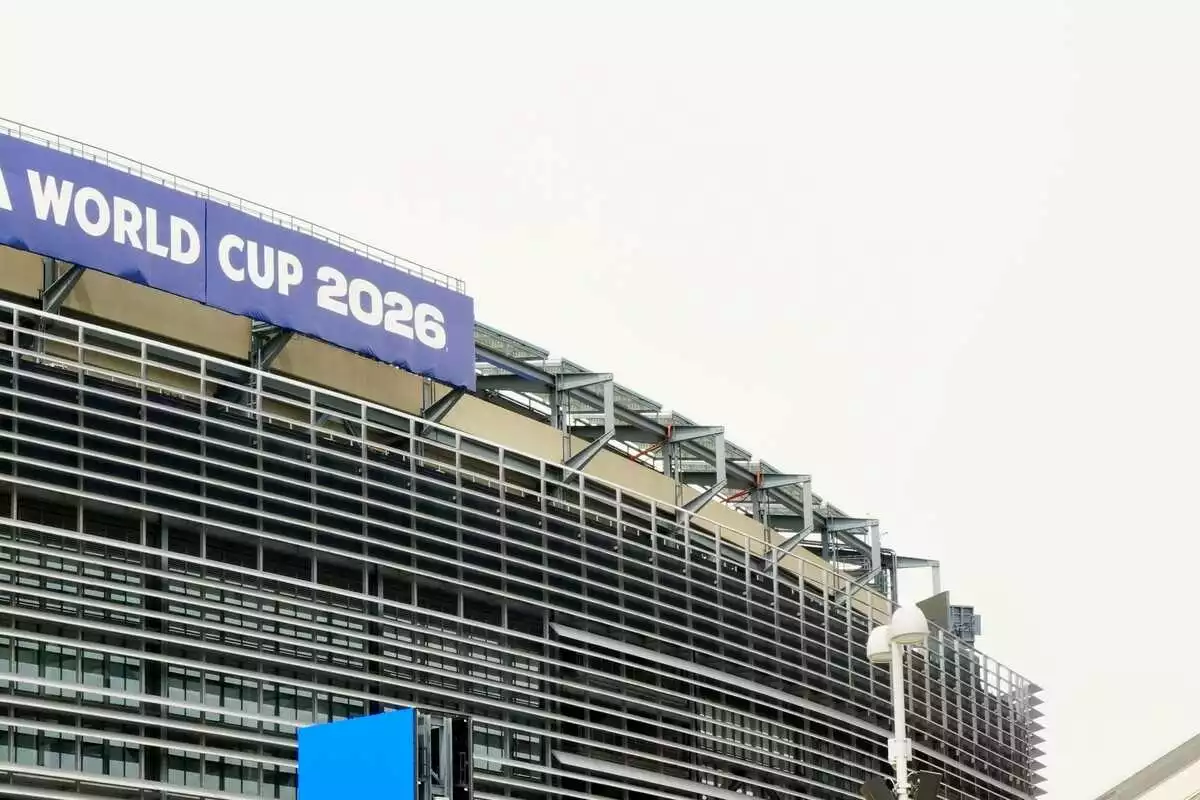
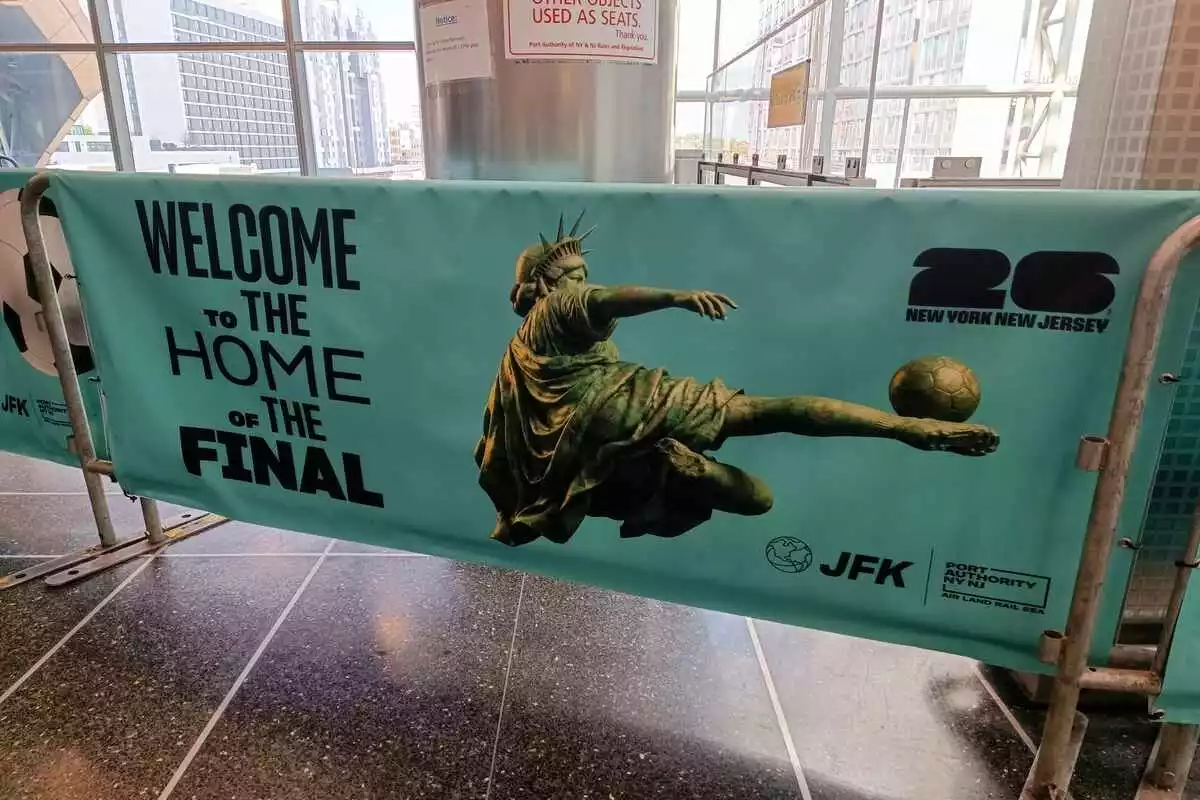
One possible explanation for the retail surge was the start of the FIFA World Cup, which began on June 11 across North America. Major international sporting events often create a more communal viewing experience than regular-season games, encouraging fans to gather in sportsbooks, casinos, bars, and other public venues.
Casino sportsbooks are designed to capitalize on those environments through large viewing screens, food and beverage offerings, and an atmosphere centered on live events. As a result, some bettors may have chosen to place wagers in person while attending watch parties or viewing matches at casino properties rather than betting exclusively through mobile applications.
Still, one month’s results are not enough to establish a lasting shift in consumer behavior. Iowa’s retail sports betting business had been shrinking for several years before June’s jump, making it unclear whether the increase represents a temporary event-driven spike or the beginning of a broader trend.
Despite the dramatic movement between channels, total wagering activity changed very little. The increase in retail betting was largely offset by the decline in online wagering, producing a market that was effectively flat compared to June 2025.
This distinction is important when evaluating the month’s results. The data suggests Iowa bettors did not necessarily wager more money overall. Instead, they altered how and where they placed those bets. The shift highlights the continuing role physical sportsbooks can play during high-profile sporting events, even in a market dominated by mobile betting.
Looking at a longer timeline adds additional context. Total June handle was up more than 32% compared with June 2024, demonstrating that Iowa’s sports betting market has still expanded over the past two years despite fluctuations in monthly performance.
Sportsbook revenue moved in the opposite direction despite stable wagering volume. Gross gaming revenue totaled $16.4 million in June, down 4.8% from the previous year. Operators posted an 8.85% hold, compared with 9.32% in June 2025. A lower hold means sportsbooks retained a smaller share of wagers after paying winning bettors.
Because Iowa taxes sportsbook revenue rather than betting handle, lower operator earnings also affected state collections. The state generated roughly $1.1 million in tax revenue from sports betting during the month under its 6.75% tax rate.
June ultimately demonstrated that market trends are not always linear. While online sportsbooks continued to dominate Iowa’s betting landscape, casino sportsbooks captured a larger share of wagering activity than they had in recent years, creating one of the market’s most notable shifts in bettor behavior.