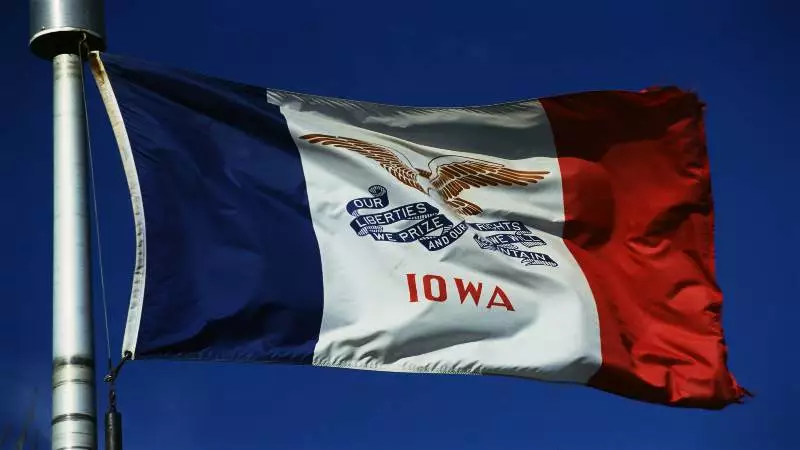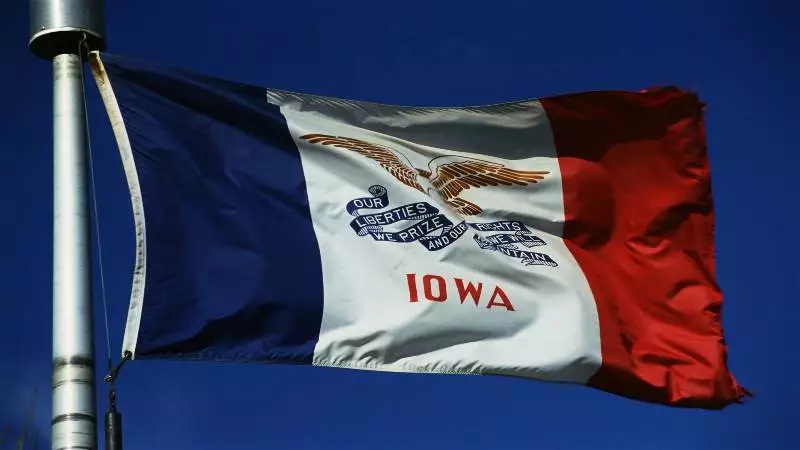
Iowa lawmakers are considering House Study Bill 586, with a companion measure filed as Senate Study Bill 3040. This legislation would expand the state’s authority to crack down on unlicensed online gambling operations, including sweepstakes casinos. The proposal, scheduled for a legislative hearing on Jan. 29, would grant regulators new enforcement tools. This includes cease-and-desist orders aimed at operators deemed to be offering illegal gaming activity within the state. It’s the latest development in Iowa’s crackdown on sweepstakes casinos.
The upcoming legislative hearing is expected to focus on how far the expanded enforcement authority would extend and how it would be applied in practice. Lawmakers are likely to question whether the proposed powers would target only clearly illegal operators or risk pulling gray-area platforms into regulatory disputes.
Testimony may also address due process concerns, including how cease-and-desist orders would be issued, challenged, or enforced.
For regulators, the hearing presents an opportunity to argue that clearer statutory authority would allow faster intervention when consumer harm is suspected, rather than relying on prolonged investigations or public advisories.
For the opposition, it is a chance to warn against overly broad enforcement that could create uncertainty for online platforms operating at the edges of current law.
How these issues are resolved could shape not only enforcement priorities in Iowa, but also influence how other states approach similar proposals.
If House Study Bill 586 is approved, Iowa may move toward a regulatory model that relies more heavily on administrative enforcement than on explicit statutory bans.
Other states, including Arizona, Maryland, and Louisiana, have already taken this path, using cease-and-desist authority to pressure sweepstakes operators without passing laws that directly prohibit sweepstakes-style gaming.
That strategy allows regulators to act quickly but does not fully resolve the broader market issue. With hundreds of sweepstakes casinos operating nationally and new platforms launching regularly, enforcement actions tend to remove individual operators rather than eliminate the activity. Some companies may voluntarily exit a state once regulators begin issuing orders, while others continue operating until directly challenged.
Even so, adoption of this approach in Iowa could carry weight beyond its borders. Following recent enforcement and legislative developments in larger markets, any additional state restricting access to sweepstakes gaming further reduces the industry’s overall footprint.
As a result, passage of HSB 586 would likely be viewed as another incremental setback for sweepstakes operators, reinforcing a trend toward tighter scrutiny nationwide.
For sweepstakes casino operators, the Iowa proposal adds to a growing sense of regulatory uncertainty surrounding the sector. Even without an outright ban, expanded enforcement authority increases the risk of operating in jurisdictions where the legal boundaries of sweepstakes gaming remain unsettled.