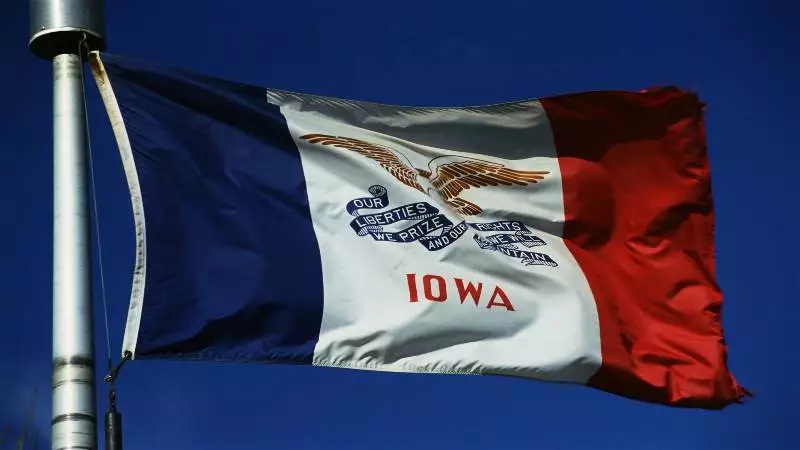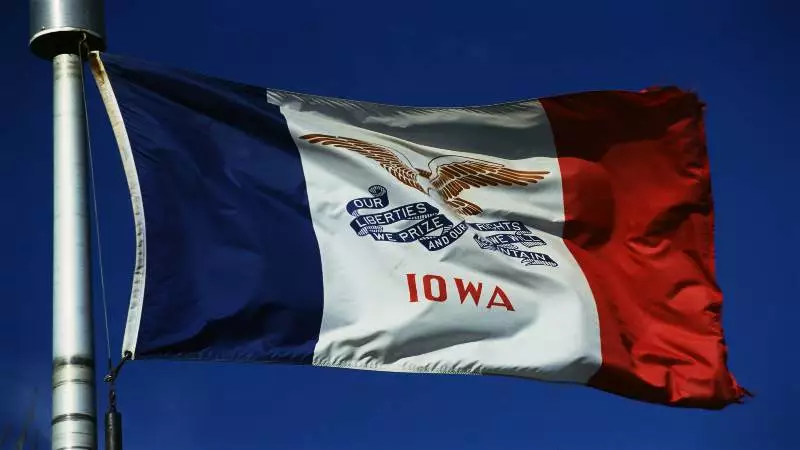
After a sweepstakes bill went to Iowa Gov. Kim Reynolds’ desk, the bill was signed into law this past week. Senate File 2289 expands the authority of state regulators to take enforcement action against unlicensed gambling and sweepstakes operators in Iowa. Rather than serving as a standalone ban on sweepstakes casinos, the bill enhances the enforcement powers of the Iowa Racing and Gaming Commission. It effectively sidelines sweepstakes casinos within the state.
One of the key gambling-related updates in Senate File 2289 is tied to Iowa Code Chapter 99F, where lawmakers expanded the enforcement authority of the Iowa Racing and Gaming Commission. Under the revised language, the regulator can now take any action it considers necessary to enforce state gambling laws and related administrative rules.
The legislation specifically authorizes the commission to issue cease-and-desist orders against operators offering games of chance, sports wagering, gambling, or sweepstakes gaming in Iowa without proper licensing or legal approval.
The measure is particularly notable for sweepstakes casinos, which have historically operated under dual-currency systems rather than traditional gambling licences. These platforms allow users to play with virtual social currency, while a secondary redeemable currency may be exchanged for cash prizes or rewards. Regulators across multiple US jurisdictions have increasingly scrutinized whether those models fall within existing gambling laws.
Instead of introducing a dedicated prohibition or licensing framework for sweepstakes casinos, Iowa lawmakers opted to strengthen regulatory oversight and enforcement powers. The updated statute gives the commission broader discretion to intervene when operators are believed to be conducting unauthorised gambling activity within the state.
Beyond sweepstakes gaming, the bill also applies similar enforcement standards to other regulated sectors, including pari-mutuel wagering, advance deposit wagering, and online fantasy sports contests.
Rather than introducing legislation that explicitly bans sweepstakes casinos by name, Iowa lawmakers chose a broader regulatory approach focused on enforcement authority. Senate File 2289 does not create new criminal prohibitions or a dedicated framework targeting sweepstakes operators. Instead, it expands the Iowa Racing and Gaming Commission’s ability to determine when gambling-related activity is being offered without state approval.
This approach gives regulators greater flexibility when addressing evolving online gaming models, particularly platforms that operate through dual-currency systems. Because many sweepstakes casinos position themselves as promotional products rather than traditional gambling operators, states have faced legal and regulatory challenges when attempting to classify those businesses under existing gambling laws.
By strengthening enforcement powers instead of passing a direct prohibition, Iowa can pursue operators it believes are offering unauthorized gambling without needing to draft legislation for every emerging gaming format. The strategy also allows regulators to issue cease-and-desist orders and seek legal remedies on a case-by-case basis, rather than relying solely on statutory bans that may be more vulnerable to disputes over legal interpretation.
Senate File 2289 creates a more challenging regulatory environment for sweepstakes casino operators in Iowa. While the law does not explicitly ban sweepstakes platforms, it gives the Iowa Racing and Gaming Commission broader authority to investigate and take action against operators viewed as offering unauthorized gambling activity.
The law also highlights Iowa’s alignment with a growing number of US jurisdictions taking a stricter stance on sweepstakes gaming through expanded enforcement powers as well as outright bans.