Professional golfer Jordan Spieth’s recent comments about the impact of sports betting on the sport have added to growing discussions about player safety and fan behavior at live events. His remarks point to concerns that gambling-related heckling is becoming more common, raising questions about how leagues and tournament organizers should respond.
Spieth said sports betting has noticeably altered the atmosphere at PGA Tour events, with some spectators now focusing more on their wagers than the competition itself. According to the three-time major champion, fans increasingly shout comments tied to bets after missed putts or poor shots, creating interactions that differ from traditional cheering or heckling.
Spieth suggested the rise in gambling-related abuse is an issue golf will eventually need to address. He said the sport may need to consider additional measures to protect players as betting becomes a larger part of the fan experience, adding that the trend has become increasingly noticeable in recent years.
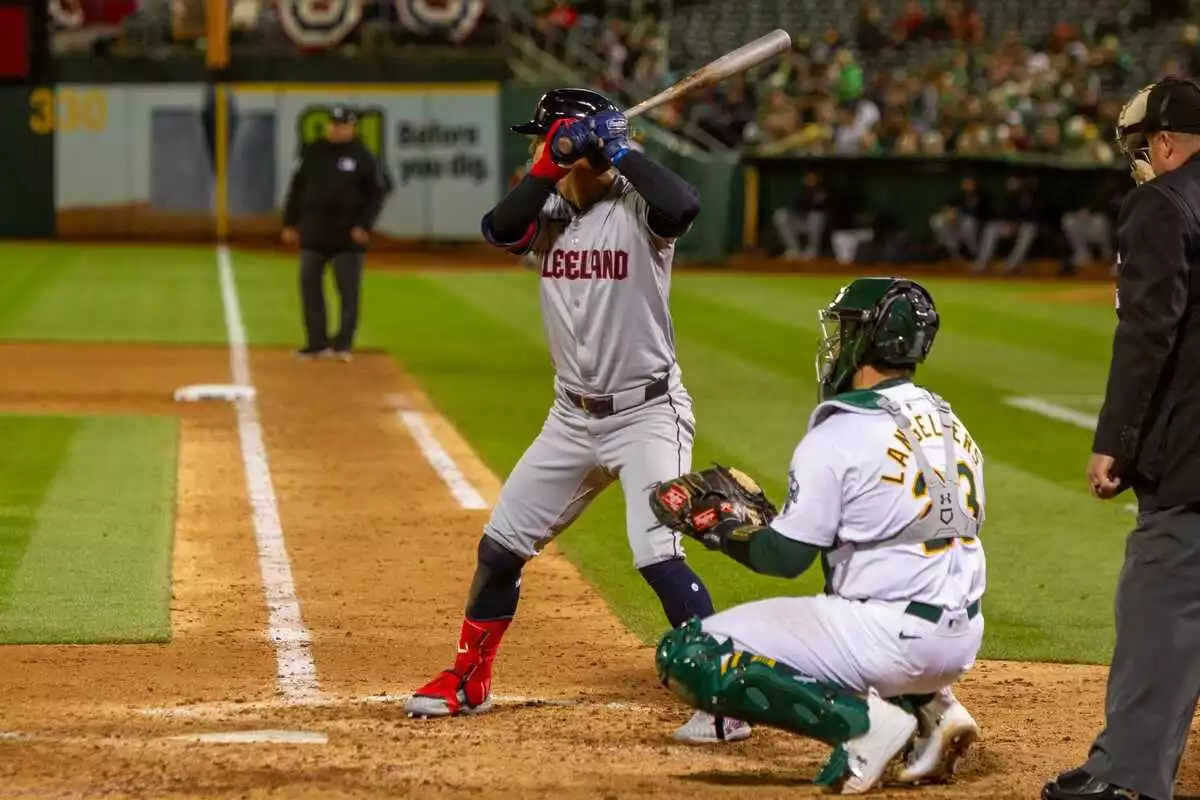
The issue is not limited to golf. Major League Baseball players have also raised concerns about abuse tied to betting, particularly when individual player props are involved. Those markets can place added attention on one at-bat, one pitch, or one statistical outcome, creating more opportunities for frustrated bettors to direct anger at athletes.
College basketball has faced similar concerns. The NCAA has said betting-related abuse has affected student-athletes, with players reporting increased scrutiny and harassment from fans who have money riding on games or individual performances.
Those concerns have already prompted some industry responses. Fanatics Sportsbook recently joined a Bad Actor Program that can ban accounts belonging to users who send abusive messages to athletes, coaches, or officials.
The question then becomes, what could golf do to help address this growing concern?
Unlike team sports, golf places players in close proximity to spectators throughout a round, making it easier for fans to direct comments at competitors after individual shots. As a result, if gambling-related heckling continues to increase, tournament organizers and the PGA Tour may need to consider additional safeguards.
One option would be adopting a stricter zero-tolerance policy for abusive behavior. While fans are already subject to removal for disruptive conduct, tournaments could make it clear that harassment tied to sports betting will result in immediate ejection and, in serious cases, bans from future events. Similar policies are already in place at many professional sporting venues for abusive fan conduct, including MLB.
Another possibility would be expanding reporting mechanisms. Players, caddies, volunteers, and even spectators could be given easier ways to report individuals engaging in gambling-related harassment, allowing security personnel to respond more quickly before situations escalate.
Some have also suggested reevaluating the scope of player props. While player props are popular with bettors, they can intensify attention on every missed putt, bogey, or statistical milestone. Any changes would require balancing consumer demand with player welfare, but limiting certain highly granular markets has emerged as part of the broader conversation in several sports.
For now, Spieth’s comments highlight that the discussion extends beyond sports betting itself. As wagering becomes increasingly integrated into the fan experience, sports organizations are continuing to examine how they can protect athletes from abuse.