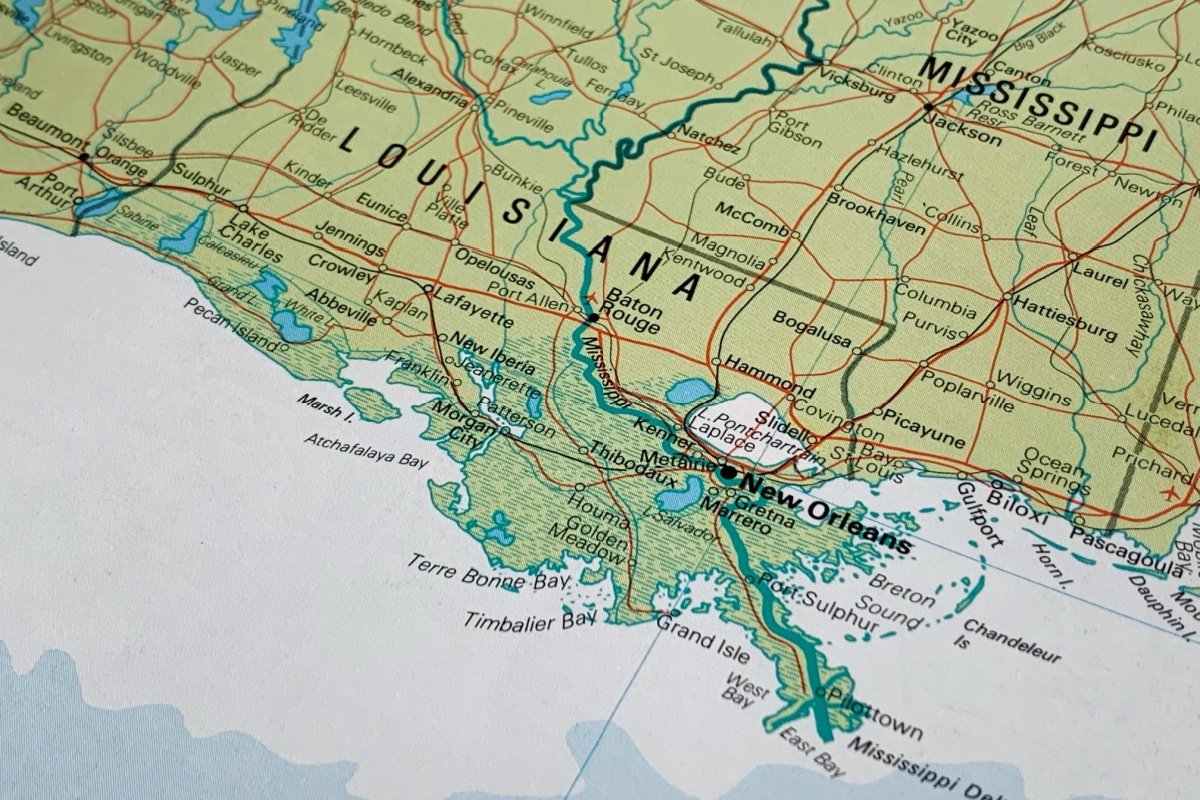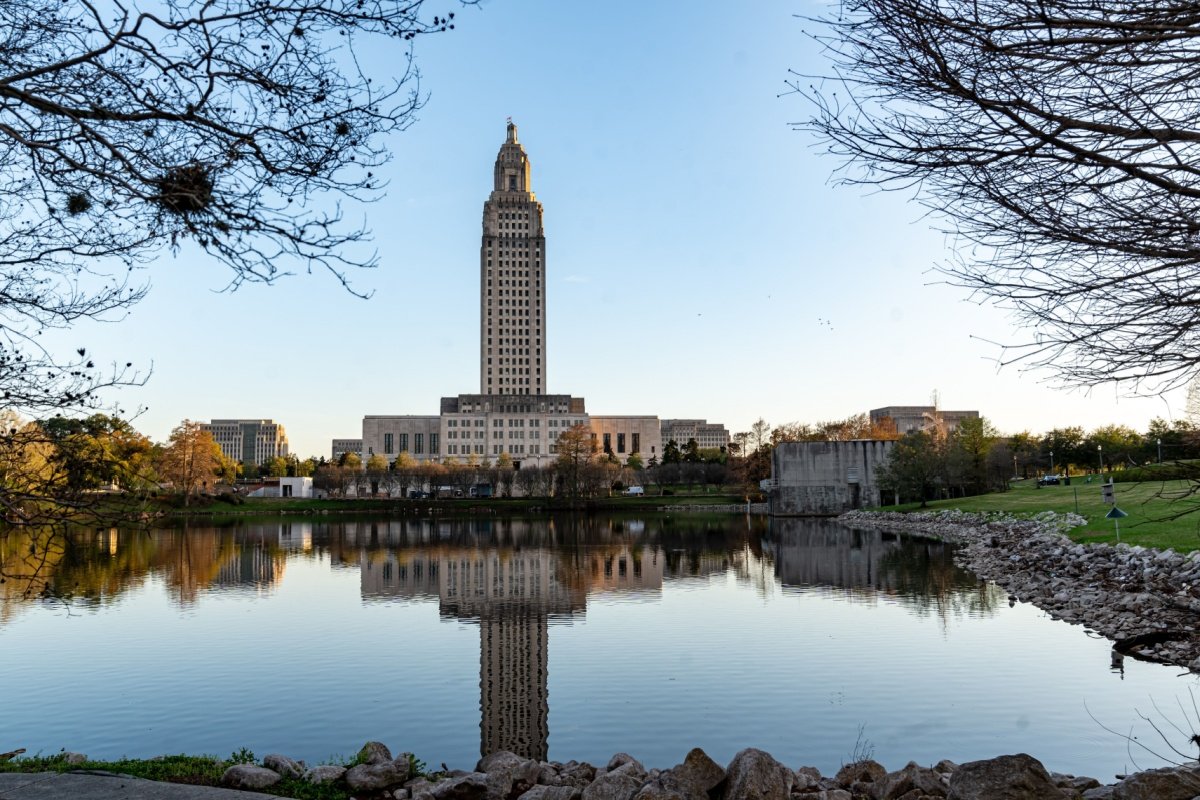
Louisiana has taken a new step in its ongoing battle with online sweepstakes casinos. The state’s Department of Revenue has filed a lawsuit against VGW Holdings, which operates Chumba Casino, LuckyLand Slots, and Global Poker, and MW Services, the operator of WOW Vegas, escalating efforts to address how these platforms operate within the Pelican State.
The Louisiana Department of Revenue is seeking nearly $44 million in unpaid state taxes and penalties from VGW Holdings and MW Services, arguing that the sale of Gold Coins and Sweepstakes Coins to residents should have been subject to standard sales and use tax.
This lawsuit is part of a broader crackdown, with 41 gaming operators already targeted by state regulators through cease-and-desist orders, including Sweepstakes Limited (Stake.us) and Yellow Social Interactive (Pulsz Casino).
The suit also signals a shift in strategy for the state: rather than relying solely on enforcement actions or legislative bans, Louisiana is now pursuing lost tax revenue directly. The move could set a precedent for how other states approach potential regulation and taxation of sweepstakes casino operators.
Louisiana’s lawsuit comes on the heels of broader legislative efforts to restrict sweepstakes-style platforms. Earlier this year, lawmakers passed SB 181, a bill designed to outlaw dual-currency gaming systems such as those used by VGW and WOW Vegas.
However, Governor Jeff Landry vetoed the measure, arguing that existing state laws already prohibit such activity and that enforcement mechanisms are in place through the Louisiana Gaming Control Board. Landry’s veto underscored his position that new legislation was unnecessary, even as pressure has mounted to address the growth of online sweepstakes casinos.
To that end, pursuing lost tax revenue through litigation represents a logical next step for Louisiana in its efforts to push back against sweepstakes casinos.
While the lawsuit directly involves Louisiana, its outcome could influence how other states handle sweepstakes casino operators. By targeting tax revenue rather than solely focusing on enforcement or prohibition, Louisiana may provide a roadmap for regulators elsewhere to pursue similar claims.
States struggling with budget shortfalls or looking for new revenue streams could be incentivized to follow suit, particularly if the courts side with Louisiana on the issue of virtual currency sales being subject to taxation.
This has already started to happen elsewhere, as High 5 Casino exited California following a class action lawsuit. The departure illustrates how mounting legal pressure, whether through consumer lawsuits, state regulators, or tax authorities, can force operators to retreat from large markets.
If Louisiana’s approach is successful, more states may turn to litigation or taxation as leverage, potentially accelerating a wave of exits or compliance shifts across the U.S. sweepstakes casino industry.
So far, the companies at the center of Louisiana’s lawsuit, VGW and MW Services, have declined to comment, citing the ongoing legal proceedings. Their silence reflects the heightened sensitivity around regulatory scrutiny, as operators weigh the potential financial impact of multimillion-dollar tax claims.
Beyond the immediate dispute, the sweepstakes casino industry faces mounting questions about its long-term viability in the U.S. market. Investors, affiliates, and technology partners may begin reassessing their exposure to sweepstakes platforms, particularly if legal risks continue to multiply.