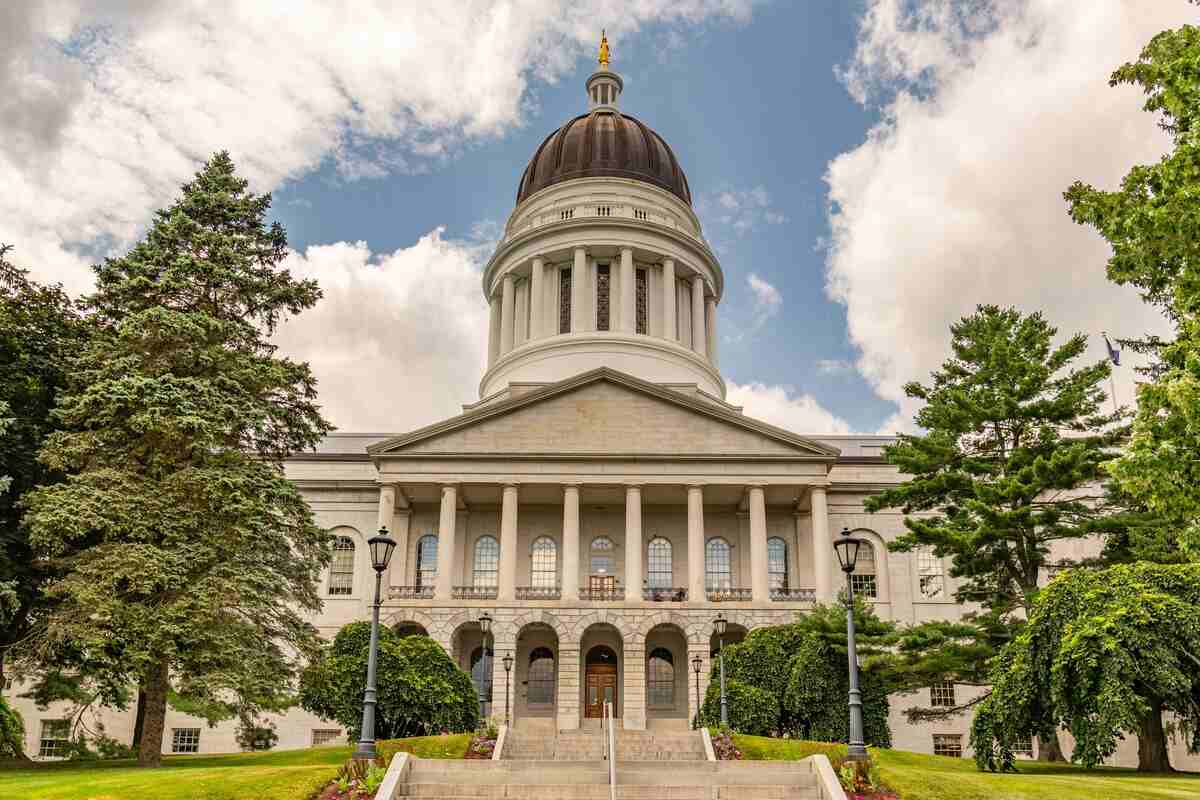
Maine’s controversial iGaming legislation will become law once Gov. Janet Mills signs the bill. Earlier this week, Mills announced her intention to make LD 1164 law. It authorizes Maine’s tribal governments to operate online gambling in the Pine Tree State to support tribal communities and economic development.
The legislation grants the four tribes of the Wabanaki Nations exclusive control of iGaming. They would be the Maliseet, Micmac, Penobscot, and Passamaquoddy tribes.
Maine will become the eighth U.S. jurisdiction to offer legal online casinos. Connecticut, Delaware, Michigan, NewJersey, Pennsylvania, Rhode Island, and West Virginia are the others.
Mills met with the five elected Chiefs of the Wabanaki Nations during the fall. She noted there was a common theme regarding the importance of how LD 1164 life-changing revenue for Tribal communities. It also provides a form of economic sovereignty for their Nations.
In December, the Maine Gambling Control Unit, which will regulate and oversee the online casino market, sent a letter to Mills supporting a veto as it had concerns about the bill.
“I considered this bill carefully, and while I have concerns about the impacts of gambling on public health, I believe that this new form of gambling should be regulated, and I am confident that Maine’s Gambling Control Unit will develop responsible rules and standards to hold providers of this new form of gambling accountable while ensuring that Maine’s tribes benefit from its operations. It has always been my strong desire to work with Tribal leaders to improve the lives and livelihoods of the Wabanaki Nations, and it is my hope that this new revenue will do just that,” Mills said.
Leaders of Maine’s Wabanaki Tribes all supported Mills’ decision as it will create a better economic sovereignty and standard of living for tribal members.
“Governor Mills’ support for historic advances in tribal economic development, particularly her decision to allow LD 1164 to become law, marks an economic turning point for the Passamaquoddy people and for all Wabanaki Nations,” Chief William Nicholas Sr. of the Passamaquoddy Tribe at Indian Township said. “Before this, the Governor supported launching Maine’s mobile gaming market with a model based on Wabanaki ownership and key tax law changes that promoted economic growth at the Tribal nation, individual, and household levels. Our economies are undoubtedly stronger due to positive state policy changes under Governor Mills.”
The National Association Against iGaming commissioned a statewide poll of Maine voters regarding Maine iGaming. Survey results showed that 64% oppose iGaming. There were deep concerns about its potential harm to children, families, and communities.
Once Mills announced that she would be signing the legislation, the NAAiG issued a press release sharing deep disappointment over Mills’ decision to reverse her long-standing opposition to online casino gambling. The organization even highlighted how it disregards overwhelming public opposition and expert warnings from Maine regulators.
The NAAiG alongside a broad coalition of allies, plans on leading efforts to overturn this law through Maine’s People’s Veto process.
“We are confident that when given the opportunity, Maine voters will reject this misguided expansion and reaffirm their commitment to responsible gaming policy grounded in transparency, caution, and accountability,” the NAAiG said in its statement.
The target launch date is still to be determined. The Maine Gambling Control Unit still needs to set rules and regulations. There is no word yet regarding which operators will partner with the Wabanaki Nations.
DraftKings and Caesars are likely candidates since both companies currently offer mobile sports betting in the Pine Tree State. Caesars has an existing partnership with the Houlton Band of Maliseet Indians, the Mi’kmaq Nation, and the Penobscot Nation. DraftKings has an eestablished relationship with the Passamaquoddy Tribe.