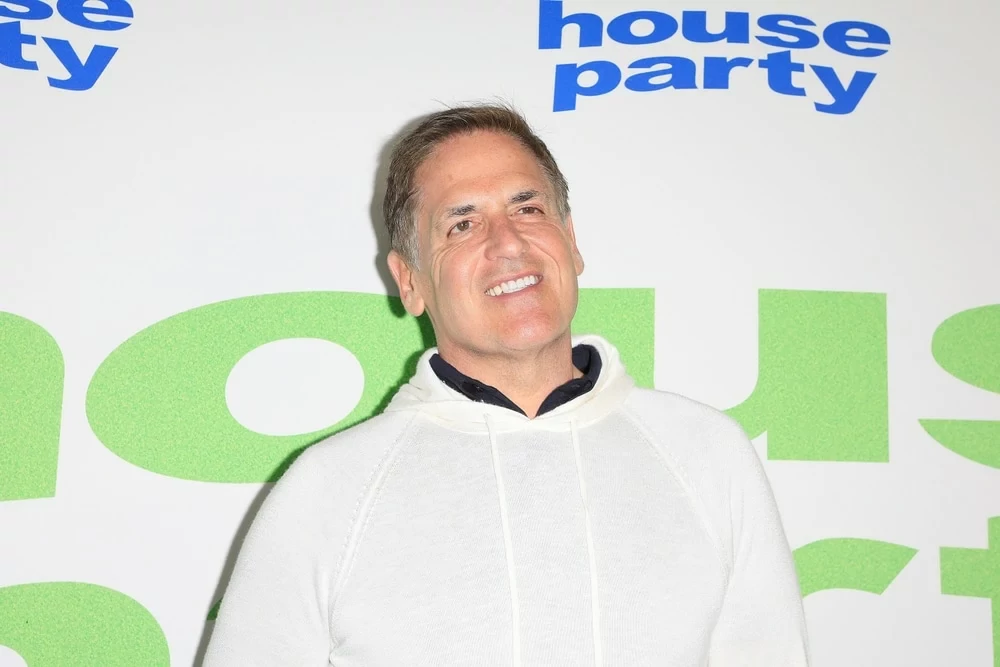
In a recent interview with Front Office Sports, billionaire entrepreneur and former Dallas Mavericks majority owner Mark Cuban discussed the growing concerns surrounding sports betting, focusing on player props.
During an episode of Portfolio Players, Cuban argued that prop bets have become the biggest integrity concerns in sports betting. While Cuban said he does not view sports betting itself as the core issue, he believes the rapid growth of player props has created new risks for athletes, leagues, and regulators.
Cuban pointed to increasingly niche prop wagers as an example of how betting markets can encourage problematic behavior and create “perverse incentives” around individual player actions and performances.
Cuban also highlighted the growing pressure athletes face from bettors, particularly through social media and live fan interactions. Players linked to gambling investigations, including Terry Rozier and Emmanuel Clase, have intensified concerns around the relationship between prop betting and sports integrity.
Beyond potential manipulation issues, Cuban said athletes are increasingly subjected to online abuse and criticism from fans upset over lost wagers tied to player performance. He argued that leagues and platforms have not done enough to protect players from harassment, particularly across social media channels.
Cuban’s comments add to the growing debate around the role of player prop betting in the US sports wagering industry. While an outright nationwide ban on prop bets does not appear imminent, concerns around integrity issues, athlete harassment, and gambling-related investigations are increasing pressure on regulators, sportsbooks, and professional leagues to reconsider how certain wagers are offered.
In recent years, regulators and league officials have become increasingly focused on highly specific player props, particularly wagers tied to individual in-game actions or performance metrics. These markets can be more vulnerable to manipulation attempts and can intensify direct scrutiny on athletes from bettors.
Rather than eliminating prop betting entirely, the industry could move toward restricting certain wager types viewed as higher risk. That may include limiting micro-betting markets, reducing the availability of niche player props, or placing additional oversight on bets involving college athletes.
Perhaps in two-way markets, where you bet on over or under, sportsbooks may be forced to limit those to just overs. This can help prevent manipulation.
Needless to say, there’s a reasonable chance that changes could be coming due to this mounting public pressure. It just remains to be seen what that will look like.
While tighter limits on prop betting may reduce integrity concerns within regulated markets, further restrictions could also create unintended consequences for the sports betting industry. If licensed sportsbooks begin removing popular player props, some bettors may look for alternatives through offshore platforms that continue offering those markets without restrictions.
That remains one of the key challenges facing regulators and operators. Player props have become one of the most popular segments of online sports betting, particularly among younger bettors who engage with same-game parlays and micro-bets. Removing or limiting those options too aggressively could push betting activity away from regulated sportsbooks and into markets with fewer consumer protections and less oversight.
As pressure continues mounting around athlete harassment and sports integrity, regulators may need to balance player protection with maintaining competitive legal betting markets. Rather than implementing sweeping bans, many states could instead pursue targeted restrictions designed to reduce manipulation risks while keeping bettors within regulated platforms.